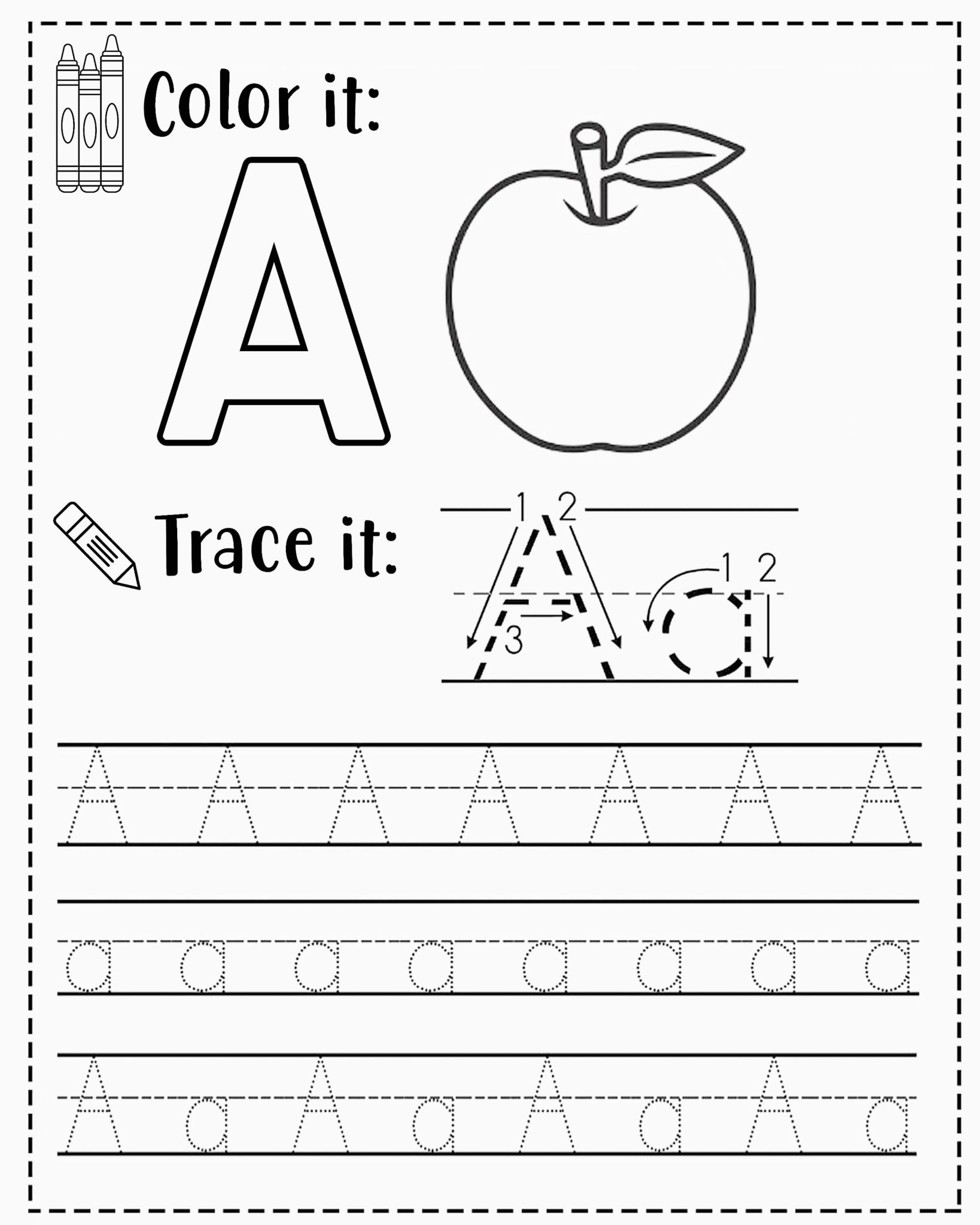
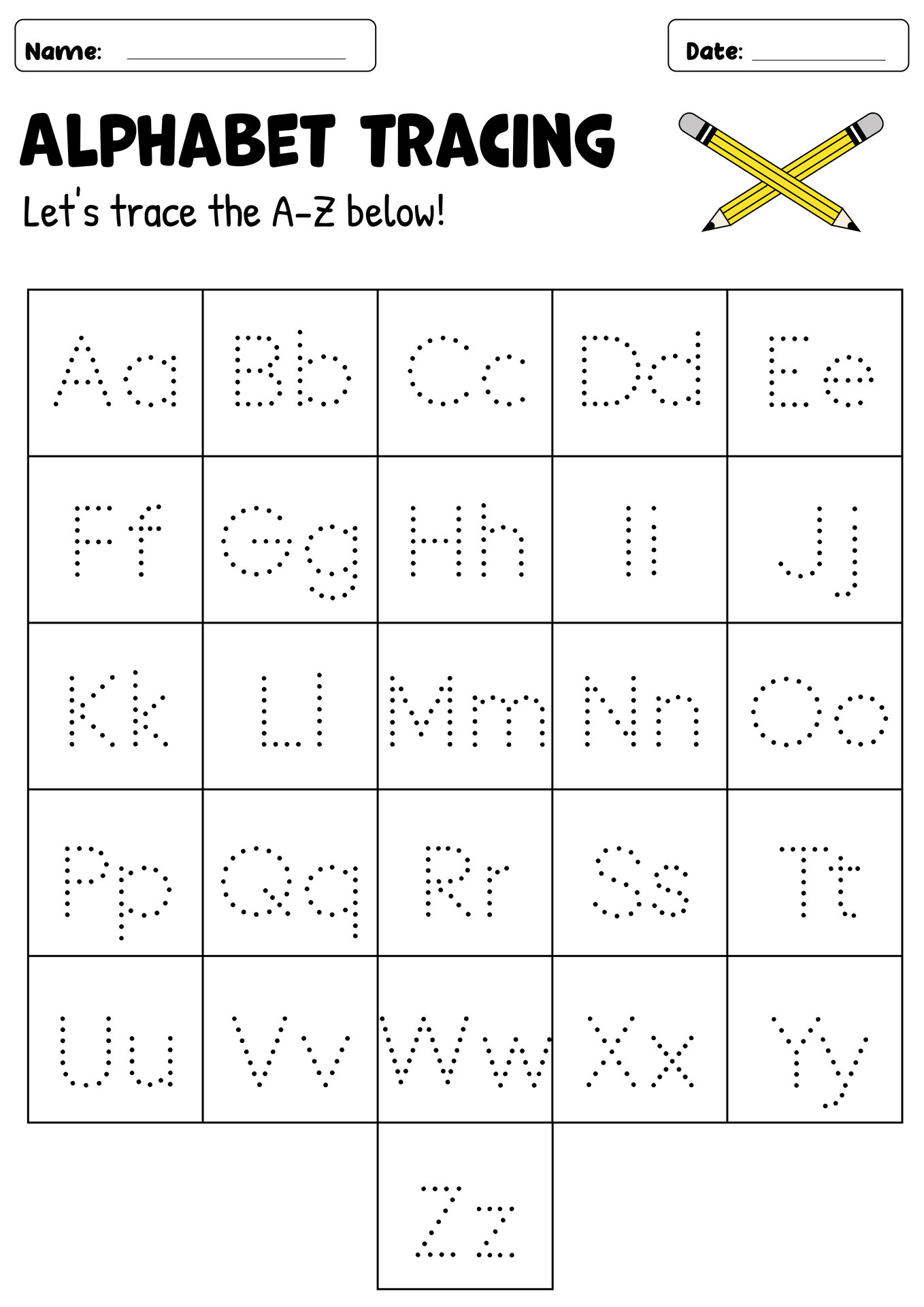
Young children often need engaging and effective resources to help them develop foundational writing skills. Free Printable Tracing Worksheets Preschool are an excellent way to achieve this. These worksheets not only make learning fun but also provide a structured approach to practicing letter and shape formation. In this article, we’ll explore how to use these worksheets effectively in both classroom and home settings, ensuring your preschoolers can enjoy the benefits of tracing.
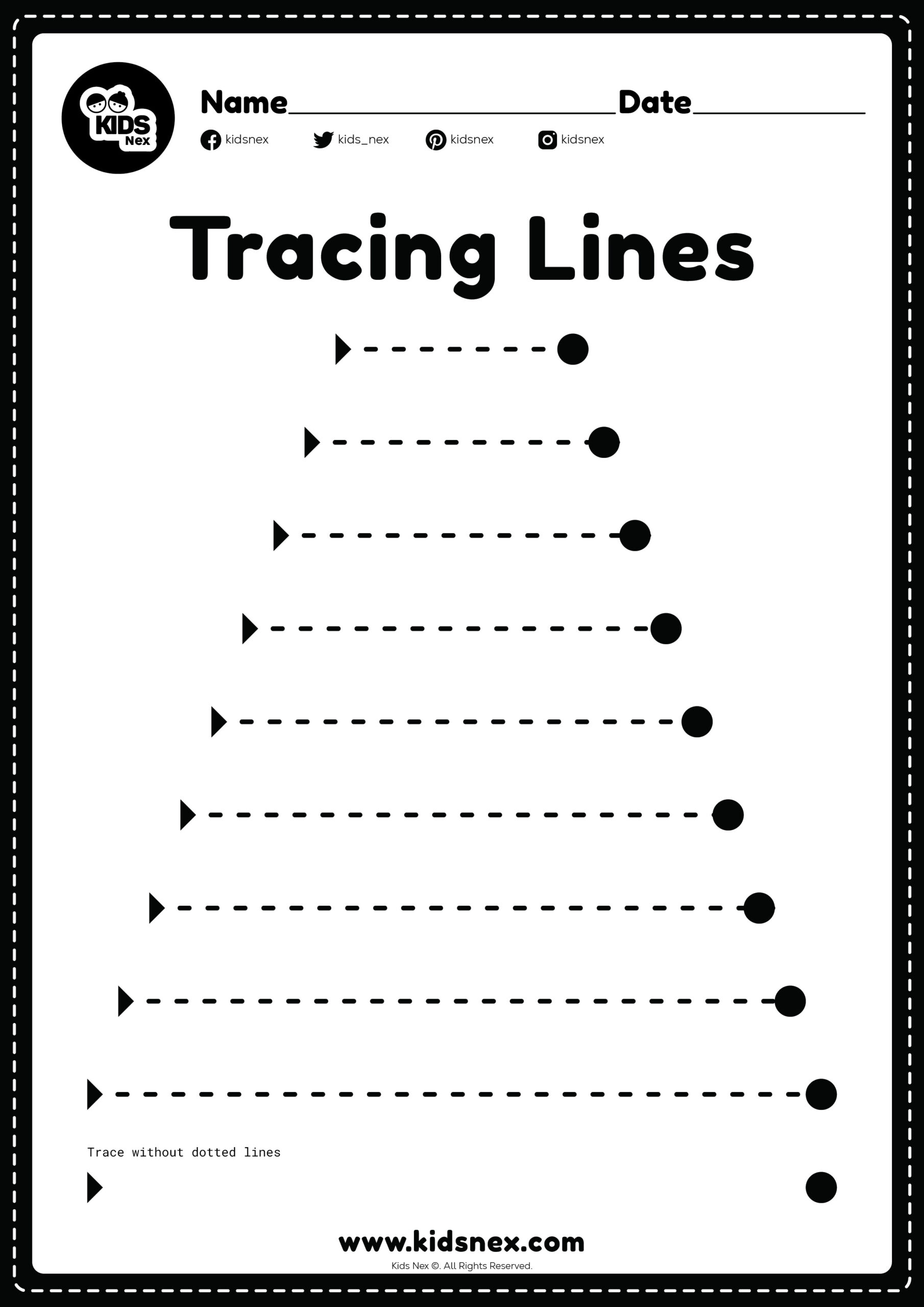
Understanding the Importance of Tracing Worksheets
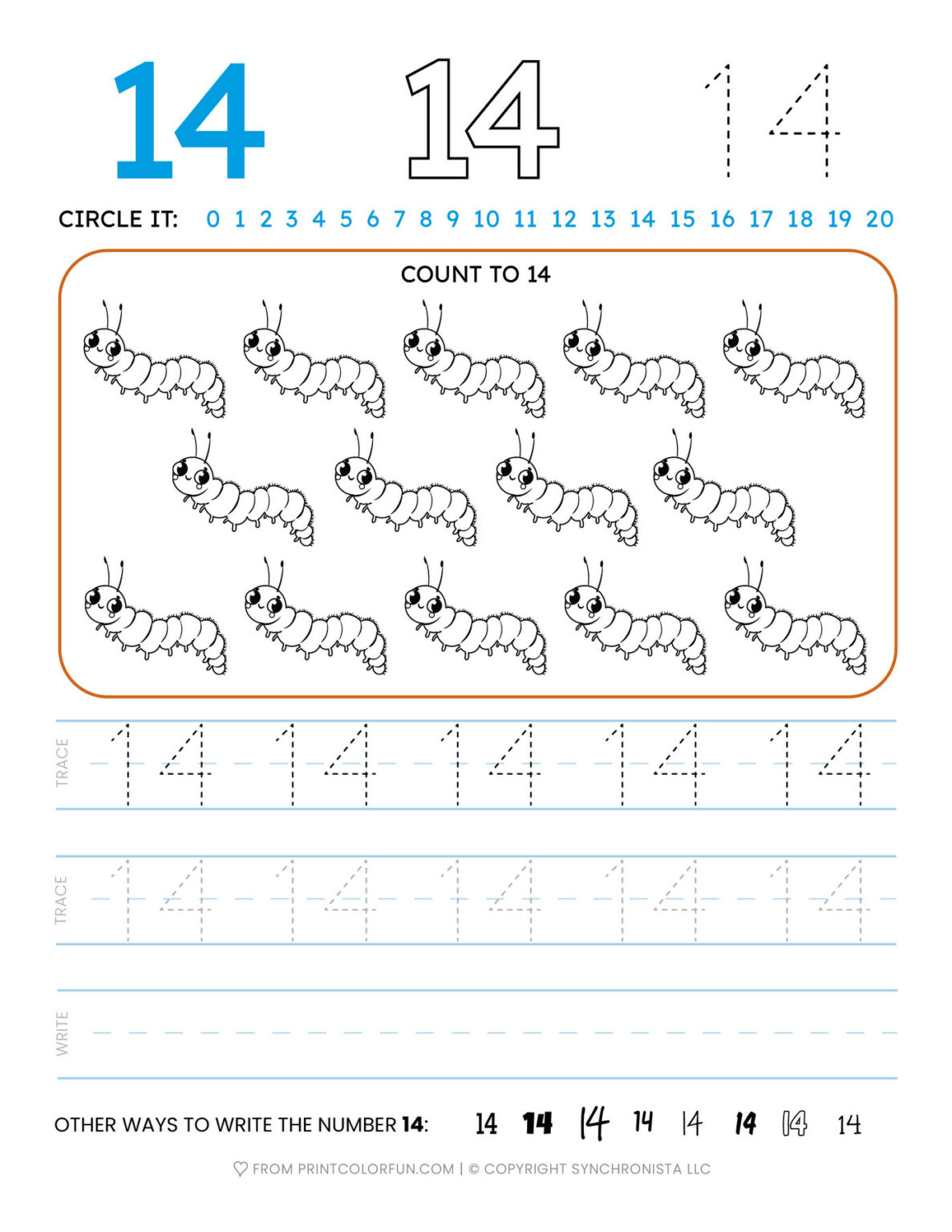
Tracing worksheets are designed to help children learn how to control their writing instruments, whether it’s a pencil, crayon, or marker. These worksheets typically feature dotted lines or shapes that children can follow to practice their writing. The primary aim is to develop fine motor skills, hand-eye coordination, and letter recognition. These skills are crucial for early literacy development and set the foundation for successful writing later on.
Types of Free Printable Tracing Worksheets
When searching for Free Printable Tracing Worksheets Preschool, you’ll find a variety of options that cater to different learning objectives. Here are a few common types:
- Letter Tracing Worksheets: These worksheets allow children to trace both uppercase and lowercase letters. This practice helps them familiarize themselves with letter shapes and improves their writing fluency.
- Number Tracing Worksheets: Similar to letter worksheets, these focus on numbers. Kids can trace numbers 1-10 or even 1-20, which reinforces their understanding of numerals.
- Shape Tracing Worksheets: These worksheets help children learn basic shapes like circles, squares, and triangles. Recognizing shapes is an essential skill that lays the groundwork for geometry later on.
- Word Tracing Worksheets: These combine both letters and words, allowing children to trace simple sight words. This helps them connect letter sounds to form words, which is vital for reading readiness.
How to Use Tracing Worksheets in the Classroom
In a classroom setting, Free Printable Tracing Worksheets Preschool can be integrated into daily activities. Here’s how you can effectively implement them:
- Daily Practice: Set aside a few minutes each day for tracing practice. This routine helps children develop consistency and reinforces their learning.
- Group Activities: Use these worksheets in small groups. Children can share tips and encourage each other as they trace, fostering a collaborative learning environment.
- Themed Lessons: Incorporate tracing worksheets into thematic units. For example, if you’re teaching about animals, provide worksheets that feature animal names for tracing.
- Assessment: Use these worksheets as a form of informal assessment. Observe how well children trace the letters or numbers, and identify areas where they might need additional support.
- Creative Extensions: After tracing, encourage children to color in the letters or shapes. This adds a creative element to the activity and keeps them engaged.
Strategies for Using Tracing Worksheets at Home
Parents and caregivers can also utilize Free Printable Tracing Worksheets Preschool to support their child’s learning at home. Here are some practical strategies:
- Set Up a Learning Space: Create a dedicated area with supplies such as crayons, markers, and scissors. A calm, organized space can enhance focus and make learning enjoyable.
- Incorporate Play: Turn tracing into a game. For instance, time how long it takes for your child to trace a letter and encourage them to improve their speed while maintaining accuracy.
- Pair with Real-World Objects: Make connections to everyday life. For example, find objects in the house that start with the letter they are tracing. This helps to reinforce their learning.
- Use Technology: If available, consider using tablets or computers with tracing apps. These often provide interactive ways to trace letters and numbers, adding variety to the learning process.
- Celebrate Progress: Acknowledge and celebrate your child’s achievements. Whether it’s completing a worksheet or mastering a new letter, positive reinforcement can motivate them to continue practicing.
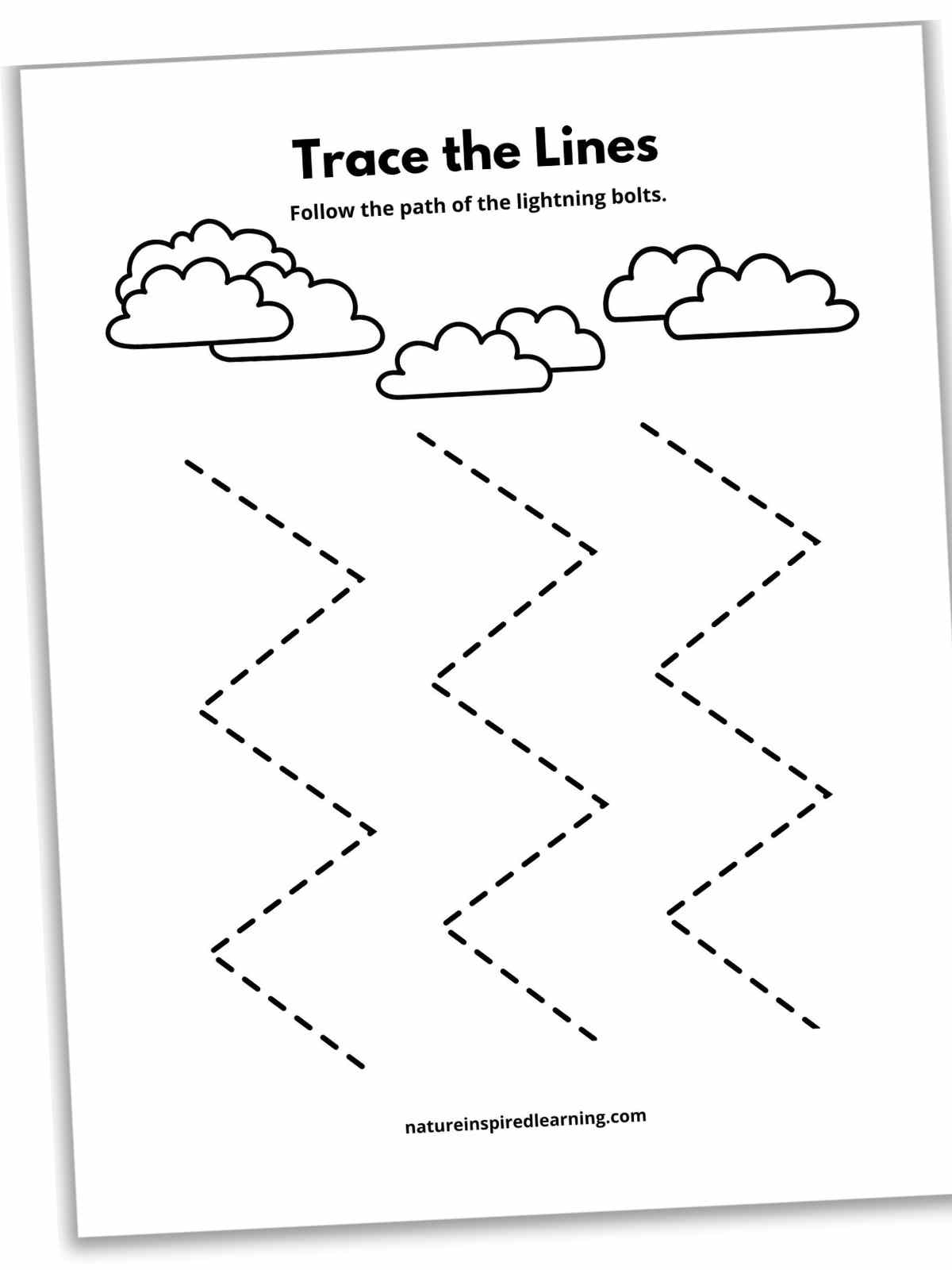
Printable Resources and Where to Find Them
There are many websites that offer Free Printable Tracing Worksheets Preschool. When looking for resources, consider the following:
- Quality Over Quantity: Choose worksheets that are visually appealing and age-appropriate. Clear, simple designs will help your child focus on the task at hand.
- PDF Formats: Opt for worksheets in PDF format. This ensures that the layout remains consistent when printed, avoiding any formatting issues.
- Variety: Look for sites that offer a range of tracing worksheets. This variety keeps children engaged and allows for differentiated learning based on their individual needs.
- Customization Options: Some resources allow you to customize worksheets, such as adding a child’s name or selecting specific letters or numbers for tracing. This personalization can enhance motivation.
- Free Access: Ensure that the resources you choose are genuinely free and do not require subscriptions or hidden fees.
In summary, Free Printable Tracing Worksheets Preschool provide an essential tool for helping young learners develop their writing skills in a fun and engaging way. By effectively integrating these worksheets into both classroom and home settings, you can support children’s educational journey while fostering their love for learning. Whether you choose to print letters, numbers, shapes, or words, the key is to create a supportive environment that encourages practice and exploration. As you explore various resources, remember to prioritize quality, variety, and accessibility to maximize your child’s tracing experience.