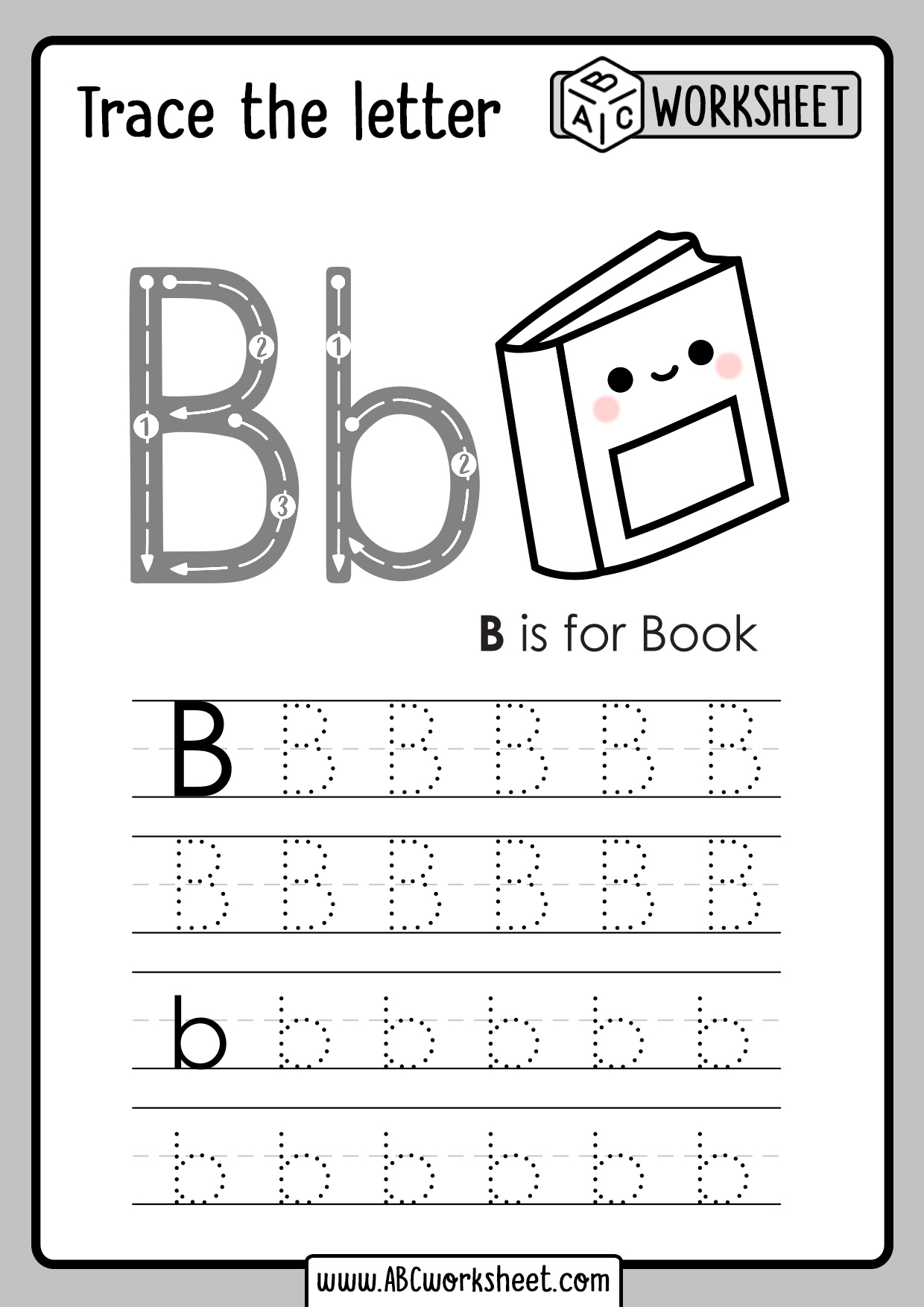
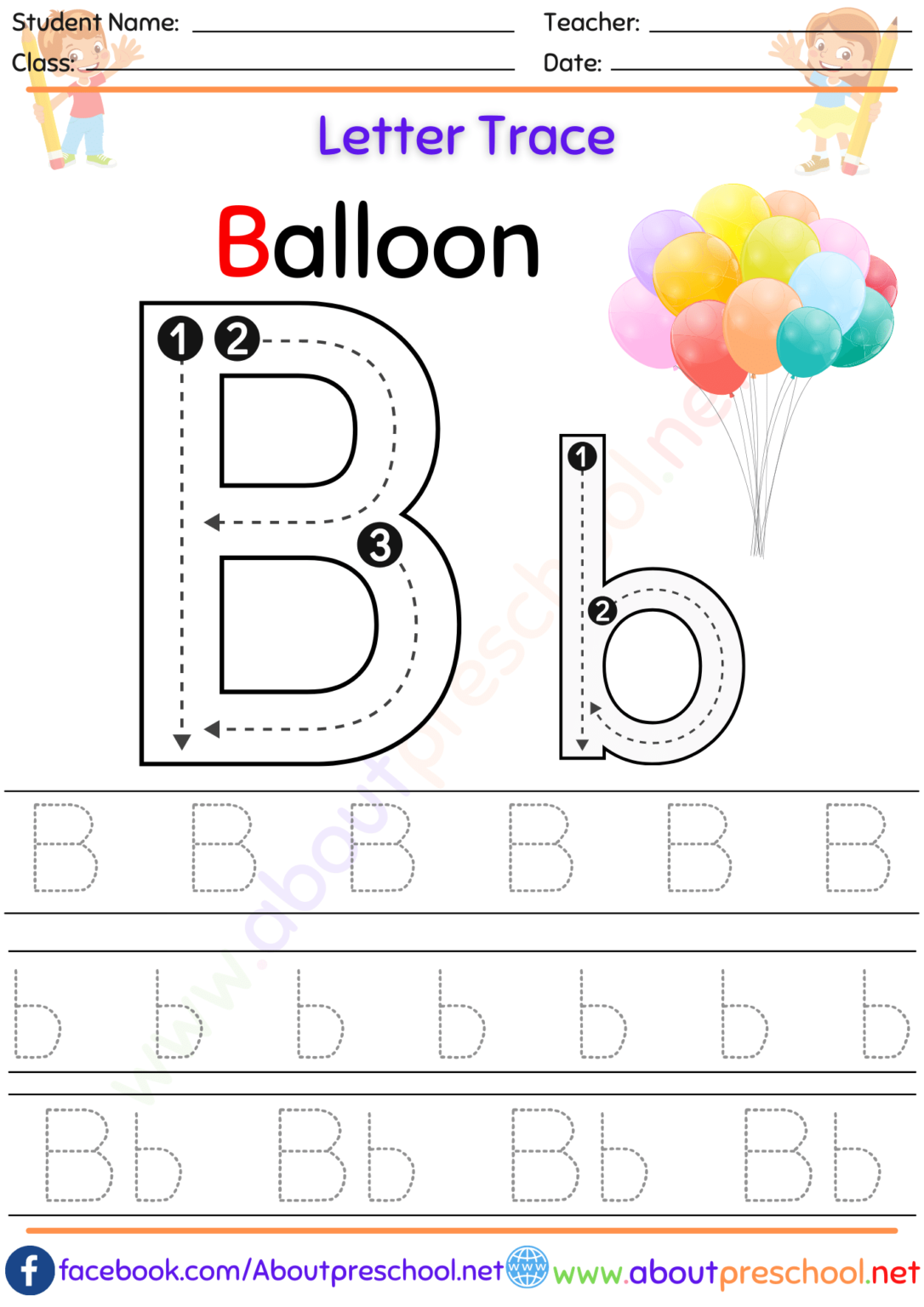
The Free Printable Letter B Worksheets are an excellent resource for teachers and parents looking to enhance early literacy skills in children. These worksheets are designed to be engaging and educational, helping young learners recognize, write, and use the letter B in various contexts. With a mix of activities like tracing, coloring, and identifying words that start with B, these worksheets can be a valuable addition to any preschool or kindergarten curriculum.
Understanding the Importance of Letter Recognition
Before diving into the specifics of the worksheets, it’s crucial to understand why letter recognition is foundational for literacy development. Children typically begin learning letters around ages 3 to 5, which is a critical period for building language skills. Recognizing letters not only helps with reading but also fosters early writing skills and vocabulary development. Engaging worksheets can make this learning process enjoyable and effective.
What’s Included in the Free Printable Letter B Worksheets
These worksheets typically come in a variety of formats to cater to different learning styles and preferences. Here’s what you can expect:
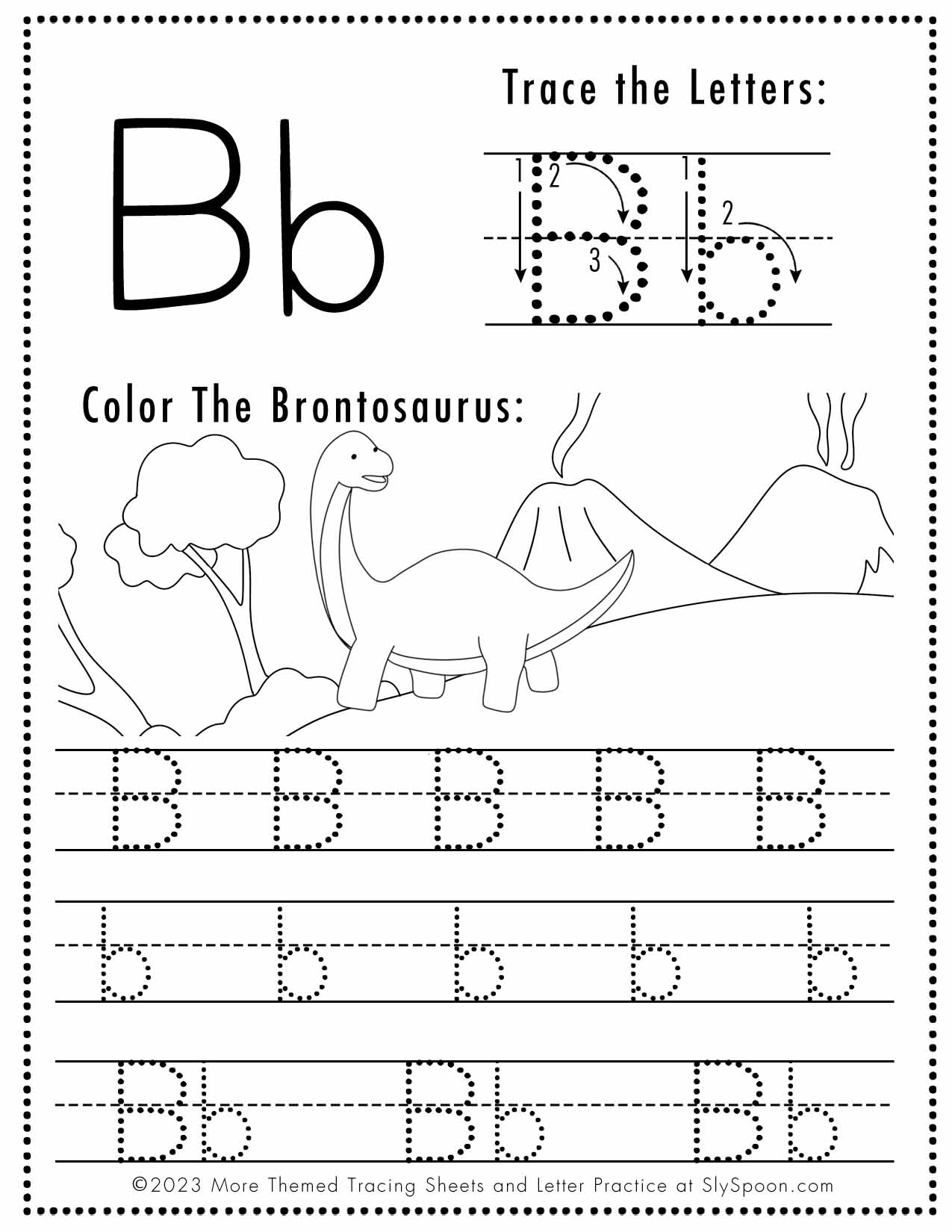
- Tracing Activities: Children can practice writing the letter B in both uppercase and lowercase, which helps strengthen their motor skills and letter formation.
- Coloring Pages: Featuring images of objects that begin with the letter B (like a ball or a butterfly), these pages allow for creativity and reinforce the sound associated with the letter.
- Matching Games: Children can connect pictures to words that start with B, enhancing their vocabulary and phonetic awareness.
- Cut and Paste Activities: These worksheets encourage hands-on learning, where children can cut out pictures and paste them next to the corresponding letter.
How to Download and Use the Worksheets
To get started with the Free Printable Letter B Worksheets, follow these simple steps:
- Choose Your Worksheets: Browse the selection of Letter B worksheets available on the website. Look for a variety that includes tracing, coloring, and matching activities.
- Download the Files: Most worksheets will be available in PDF format, ensuring they maintain their layout and design when printed. Click the download button to save the files to your device.
- Print Your Worksheets: Use standard letter-sized paper (8.5 x 11 inches) for printing. If you plan to laminate the worksheets for repeated use, consider using cardstock for durability.
- Set Up the Activities: Depending on the age of your students, you may want to introduce the worksheets during a lesson or let them complete them independently. Make sure to provide the necessary materials, such as crayons or scissors, for a hands-on experience.
- Evaluate Progress: As children work through the worksheets, observe their ability to recognize and write the letter B. You can assess their understanding by checking their completed worksheets and providing feedback where necessary.
Tips for Engaging Students With Letter B Activities
Engaging young learners requires creativity and variety. Here are some practical tips to enhance the learning experience:
- Incorporate Movement: Use physical activities alongside the worksheets. For example, have students jump on the letter B or create a letter B scavenger hunt around the classroom.
- Use Real-Life Examples: Incorporate items from the classroom or home that start with the letter B. This could include books, blocks, or even snacks like bananas.
- Sing Songs: Introduce songs or rhymes that emphasize the letter B. Music can help reinforce memorization and make learning fun.
- Create a Letter B Wall: Dedicate a bulletin board to the letter B, displaying completed worksheets, drawings, and objects that start with B. This visual reminder can reinforce learning throughout the week.
Assessing Mastery of the Letter B
To ensure that children are mastering the letter B, it’s essential to check their progress regularly. Here’s how you can assess their understanding:
- Observe Tracing Skills: Check if they can trace the letter correctly. Are they using the right strokes? Can they write it independently?
- Listen to Sound Recognition: During matching activities, ask them to say the words aloud. This will help you gauge their phonetic awareness.
- Review Completed Worksheets: Look for accuracy in their work. Are they identifying the correct objects that begin with B? Are their coloring efforts focused and neat?
- Provide Feedback: Encourage children by praising their efforts and providing constructive feedback. This can motivate them to keep practicing.
Using these practical assessments will help you identify areas where students may need additional support or reinforcement.
Free Printable Letter B Worksheets Gallery