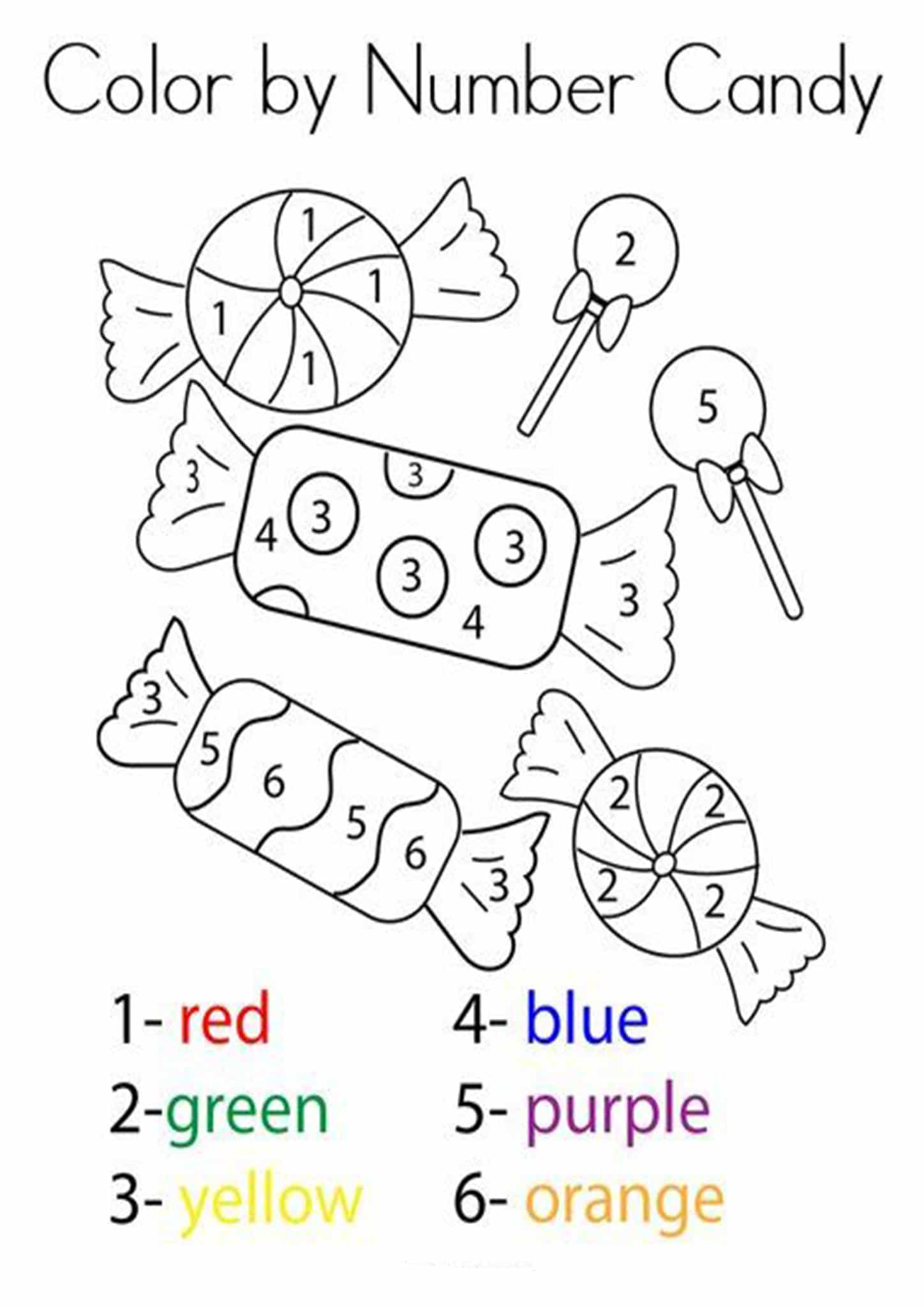
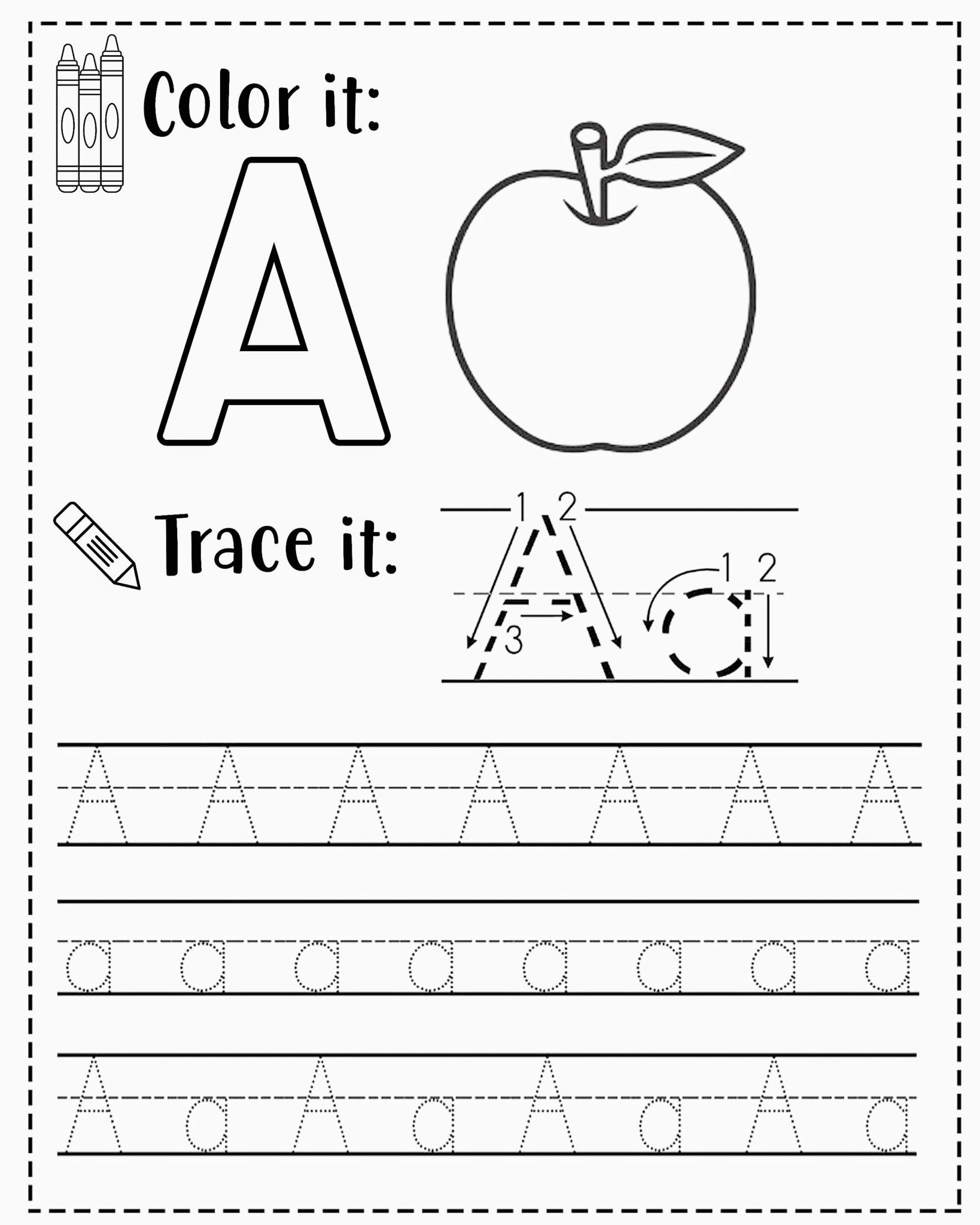
Free Printable Worksheets for Kindergarten are an excellent way to engage young learners in a structured manner. These worksheets can help reinforce essential skills such as counting, letter recognition, and basic problem-solving. With a variety of themes and activities, these resources are perfect for teachers looking to enhance classroom learning or for parents who want to support their child’s education at home.
Choosing the Right Worksheets
Before you begin downloading, consider the specific skills you want to reinforce. Are you focusing on numbers, letters, or perhaps fine motor skills? Knowing your goals will help you select the most suitable worksheets. Many resources offer worksheets categorized by subject, making it easy to find what you need.
When selecting worksheets, also think about the age appropriateness. Kindergarteners are typically aged 5 to 6 years, so look for materials specifically designed for this age group. This ensures that the tasks are not too easy or too challenging, allowing for independent practice.
Downloading the Worksheets
Once you’ve identified the worksheets that fit your needs, the next step is downloading them. Most sites offer free PDF versions of their worksheets, which maintain their formatting and can be easily printed. PDF files are preferred over image files because they reduce the likelihood of reformatting issues.
To download, simply click the provided link, and the file should open in a new tab. From there, you can save it directly to your computer or print it right away. Most worksheets are formatted to fit standard letter-size paper (8.5” x 11”), which is compatible with most home printers.
Printing Tips
Printing your worksheets correctly is crucial for ensuring they are usable. Here are a few tips to keep in mind:
- Use Quality Paper: For best results, use a heavier paper or cardstock. This is especially important if the worksheets will be colored or used repeatedly.
- Select the Right Settings: In your print settings, choose “Actual Size” to ensure the worksheets print at the correct dimensions. Avoid scaling options that could distort the layout.
- Test Print: If you’re unsure about your printer settings, do a test print on regular paper to check for any adjustments needed before using the heavier stock.
Setting Up for Use
Once printed, organize the worksheets for easy access. You can bundle them by theme or skill area, making it simple to grab what you need during learning time. Consider using a three-ring binder or a folder to keep everything tidy.
If you’re using the worksheets in a classroom, you might want to prepare them in advance. Laminate the worksheets if you plan to use dry-erase markers, allowing kids to practice repeatedly without wasting paper. This method not only conserves resources but also adds a fun element to the activities.
Engaging Strategies for Use
Now that you have your worksheets ready, think about how to incorporate them into your learning routines effectively:
- Independent Practice: Encourage children to work through worksheets independently. This builds confidence and allows you to focus on guiding others.
- Group Activities: Worksheets can also be used in small group settings. Have students work together on a worksheet, discussing answers and helping each other.
- Incorporate Play: Turn worksheet tasks into games. For example, if a worksheet involves counting objects, use physical items like blocks or toys to make it interactive.
Types of Worksheets to Consider
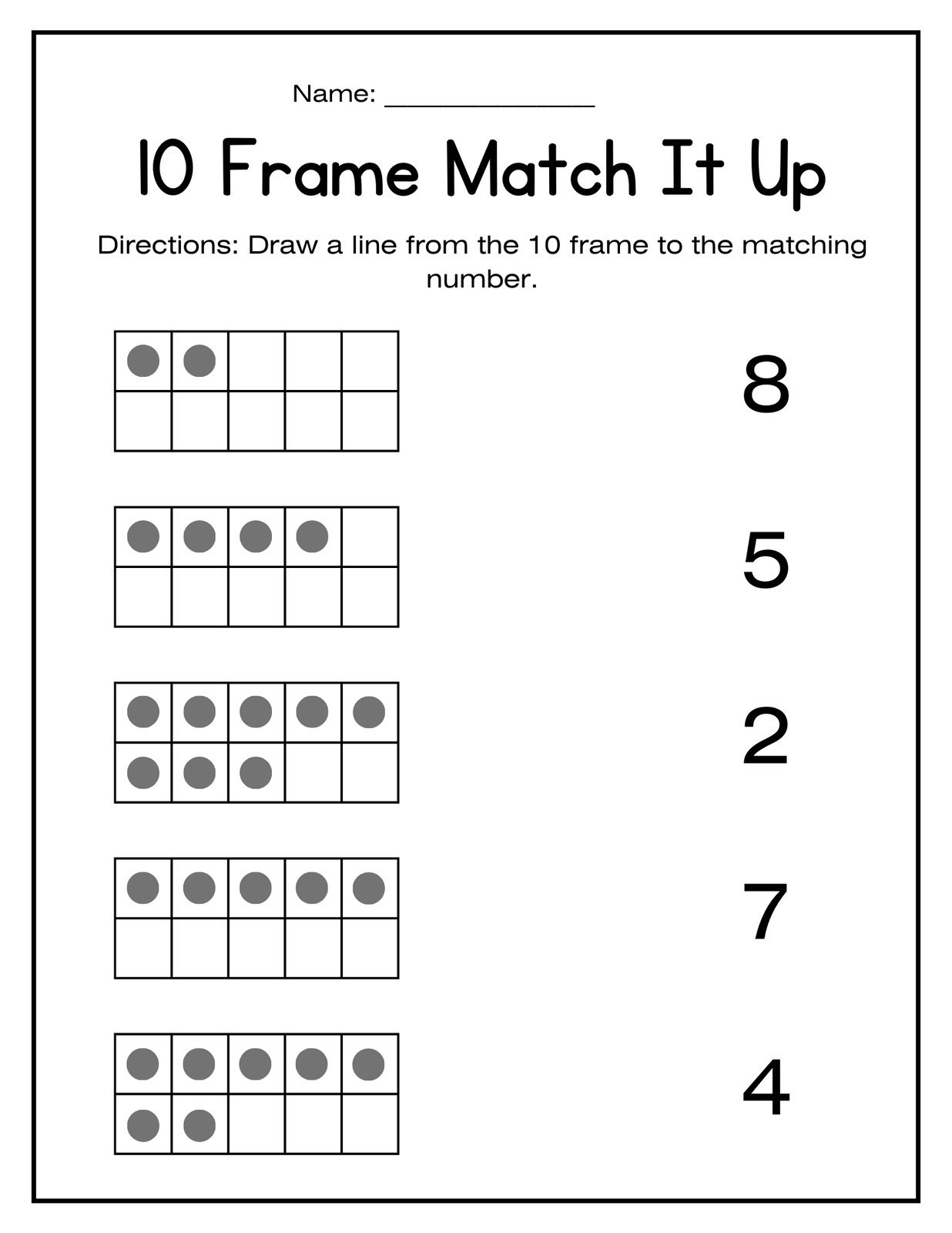
When exploring Free Printable Worksheets for Kindergarten, you’ll find a variety of types that cater to different learning objectives:
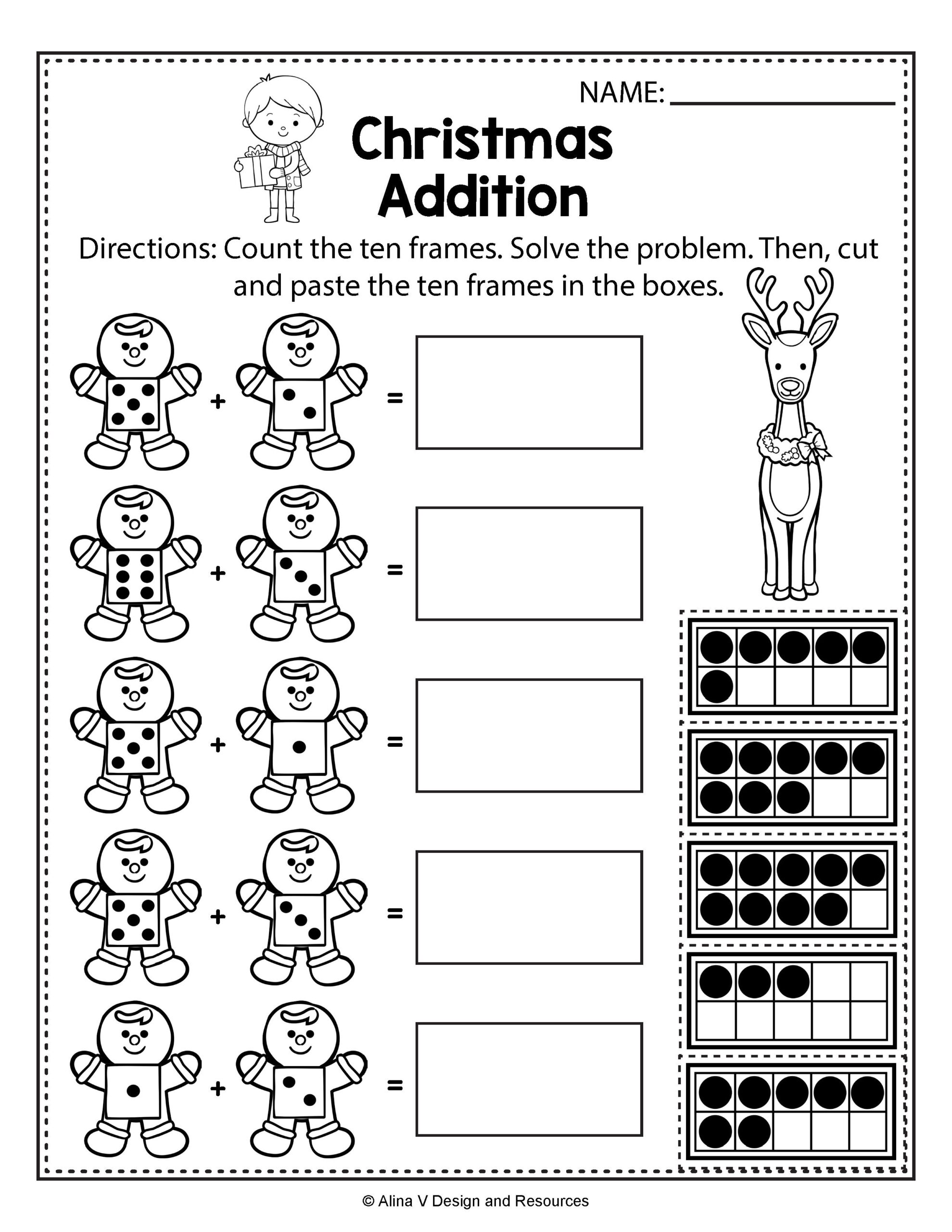
- Math Worksheets: These may include counting exercises, basic addition and subtraction, and shape recognition.
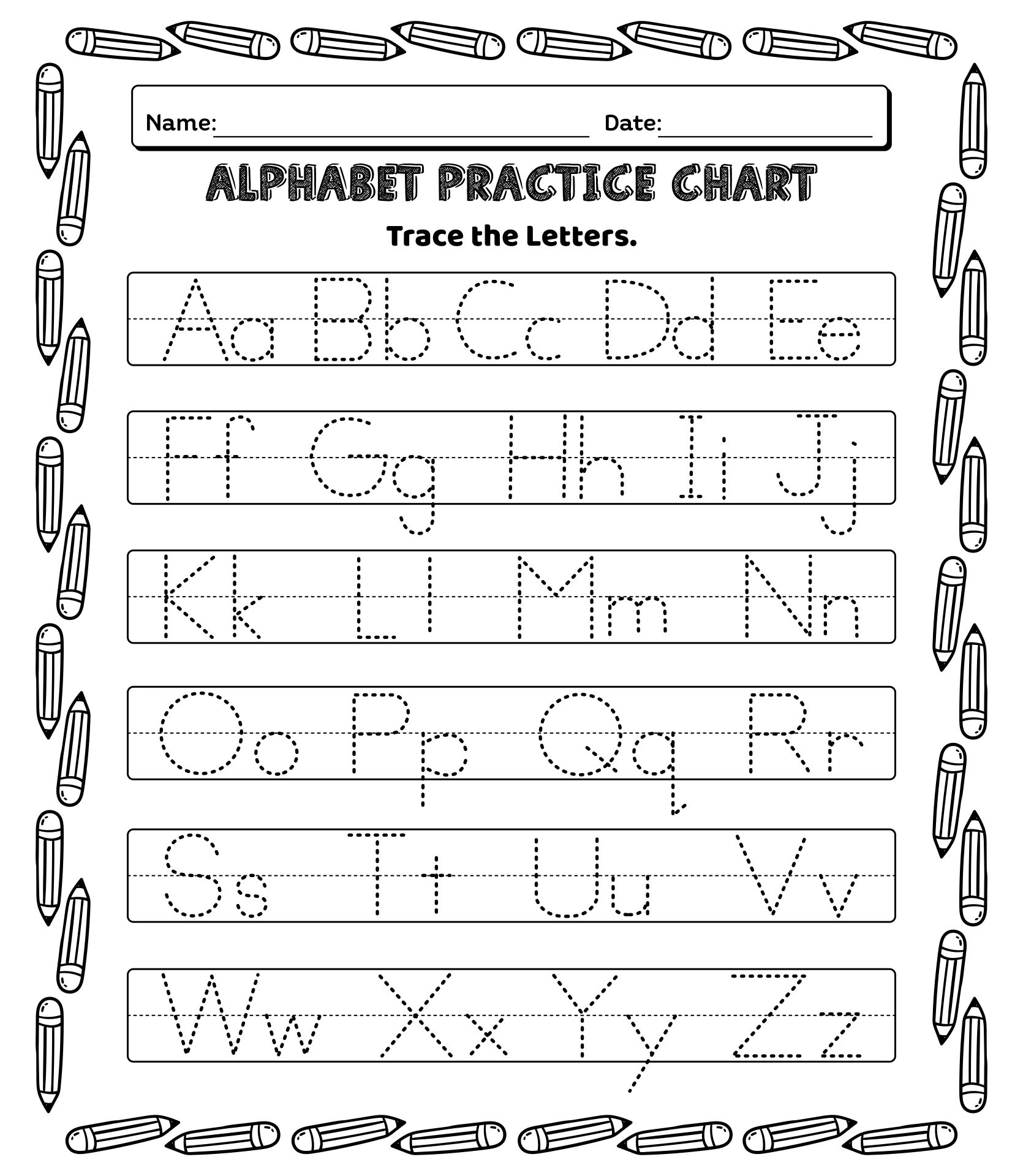
- Language Worksheets: Focus on letter tracing, vocabulary building, and simple sentence formation.
- Fine Motor Skills Worksheets: Activities that involve cutting, coloring, and pasting help develop essential motor skills.
- Themed Worksheets: Seasonal or holiday-themed worksheets can make learning more engaging and relatable.
Keeping the Learning Fun
To maintain interest, consider rotating different worksheets throughout the week. This not only keeps the material fresh but also exposes children to a variety of skills and concepts. You can also mix in hands-on activities that complement the worksheets, such as counting objects from around the house or creating a story using words from their language worksheets.
Free Printable Worksheets for Kindergarten Gallery