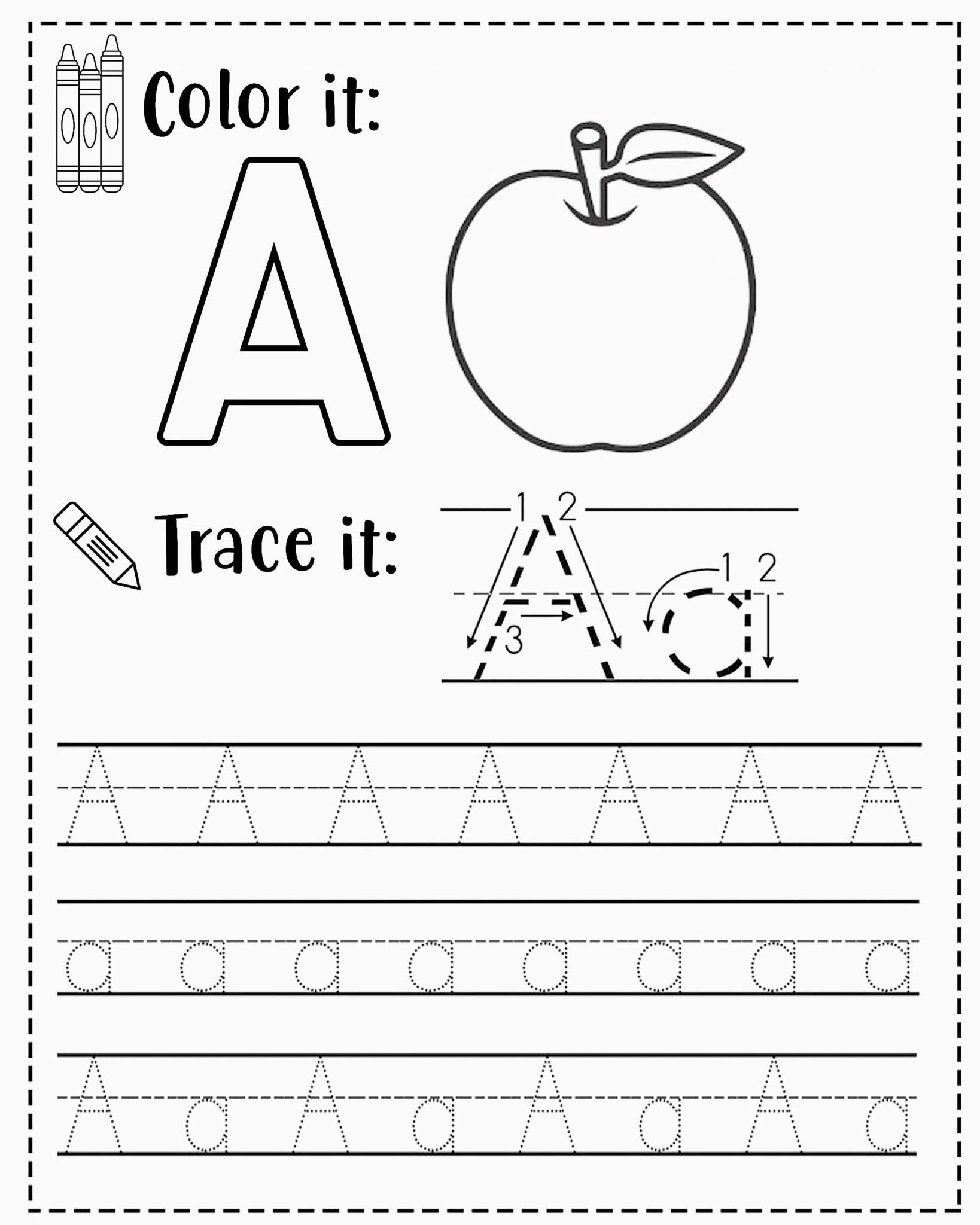
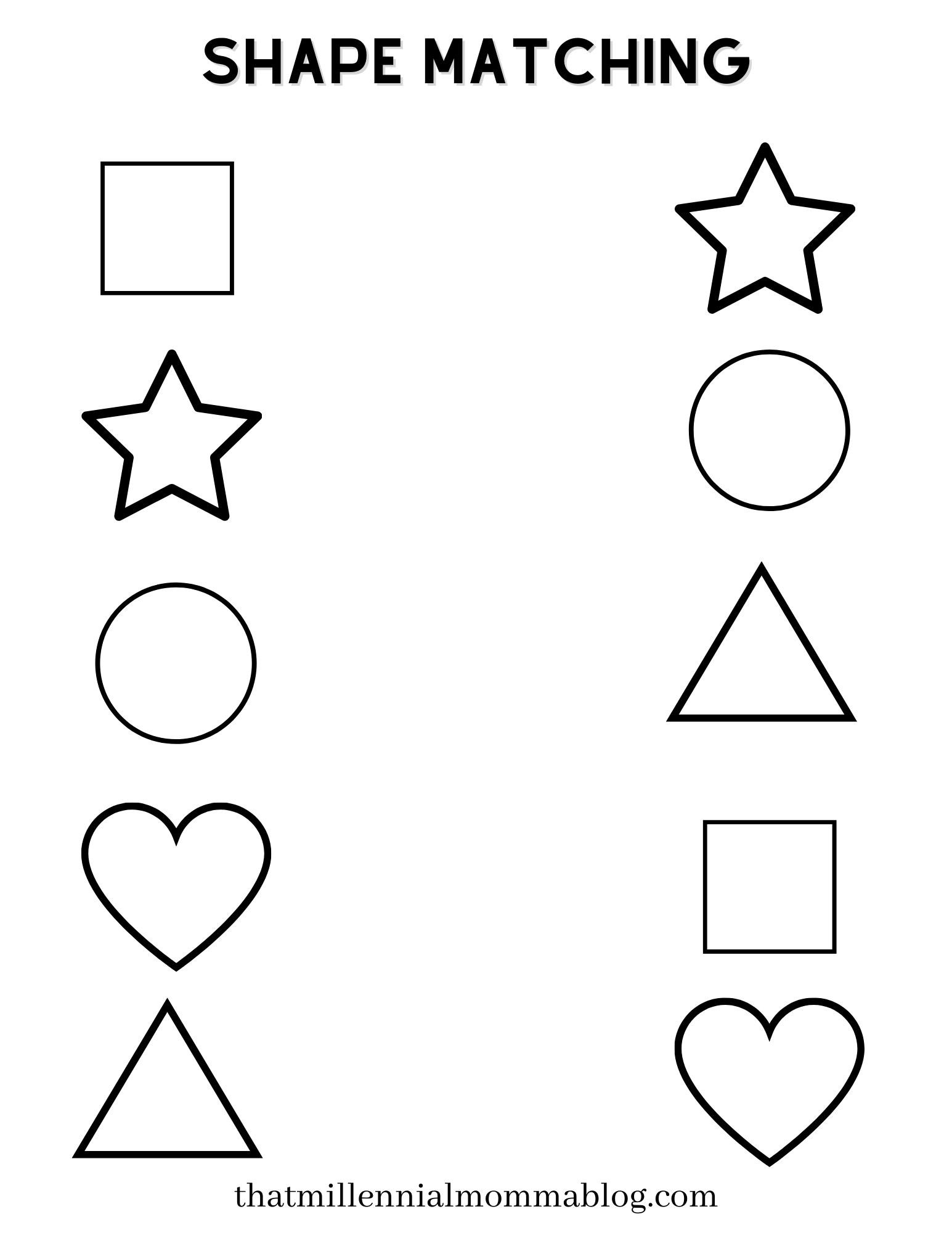
Printable Pre-k Worksheets Free are essential tools for teachers and parents looking to enrich their child’s learning experience. These worksheets cover a range of subjects and skills, providing engaging activities that can help preschoolers develop foundational concepts in literacy, numeracy, and critical thinking. With an abundance of resources available online, selecting the right printable worksheets requires a clear understanding of their purpose, the skills they target, and how to effectively implement them in various learning environments.
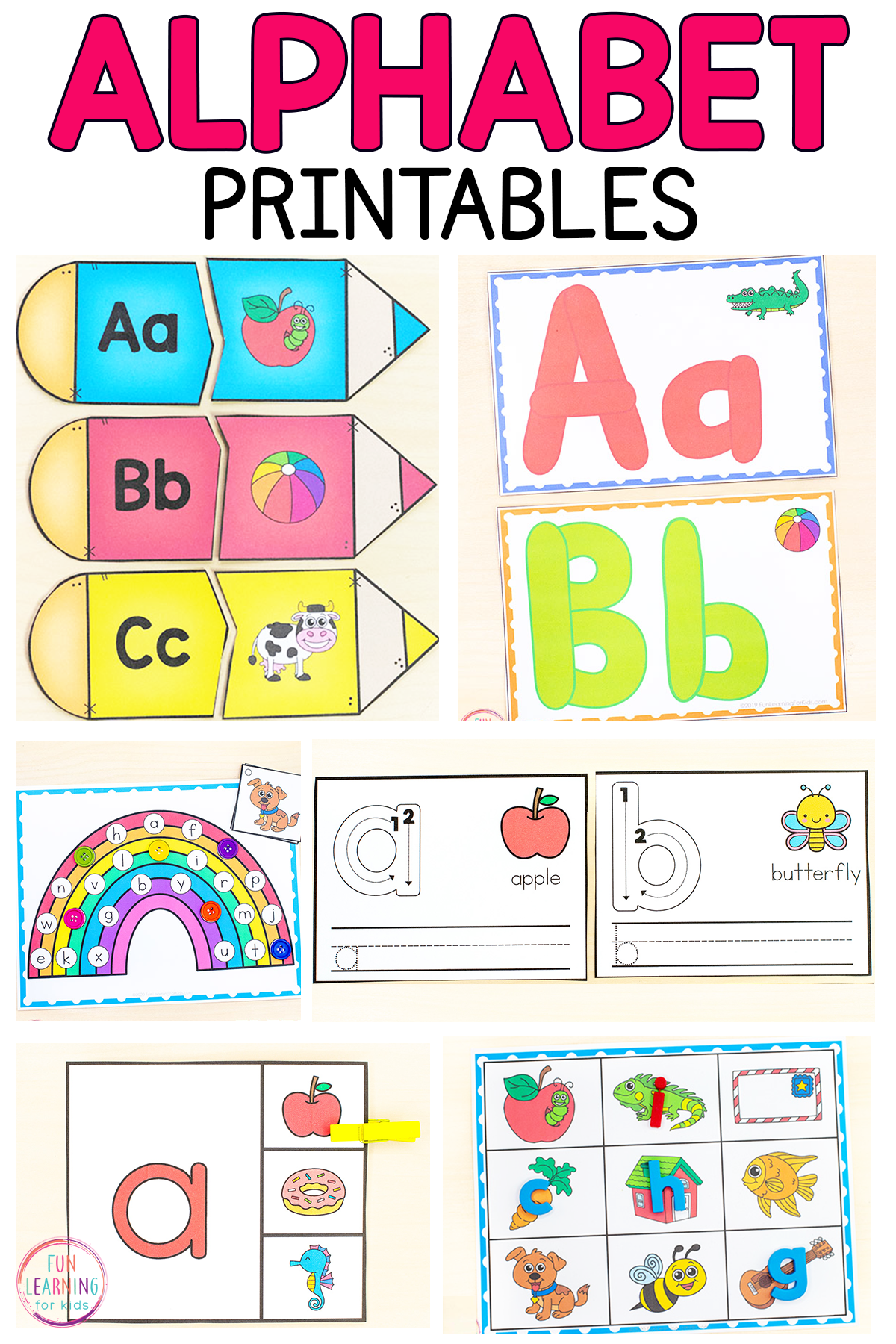
Understanding the Importance of Pre-k Worksheets
Pre-kindergarten worksheets serve multiple purposes in early childhood education. They are designed to reinforce concepts taught in the classroom or at home, allowing children to practice and apply what they have learned. These worksheets can help develop fine motor skills, enhance cognitive abilities, and support social-emotional development through collaborative activities.
When choosing Printable Pre-k Worksheets Free, consider the specific skills you want to focus on, such as letter recognition, number sense, or shapes and colors. Worksheets that incorporate a variety of activities can keep children engaged while promoting different learning styles. For instance, some worksheets may include coloring, tracing, or matching exercises, which not only make learning fun but also cater to visual and kinesthetic learners.
Types of Printable Pre-k Worksheets
There are numerous types of worksheets available, each targeting different skills and subjects. Here are some popular categories to consider:
Literacy Worksheets
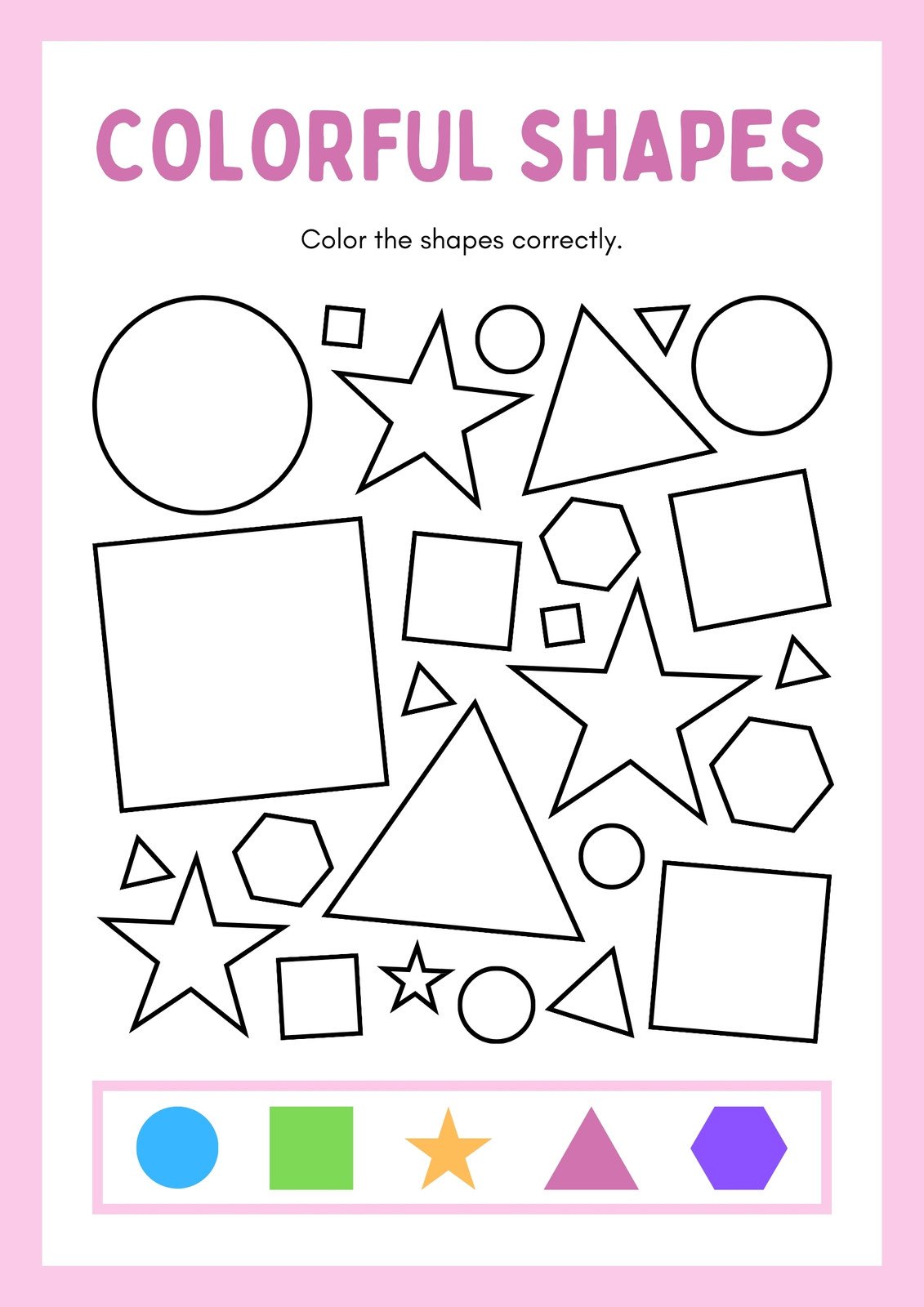
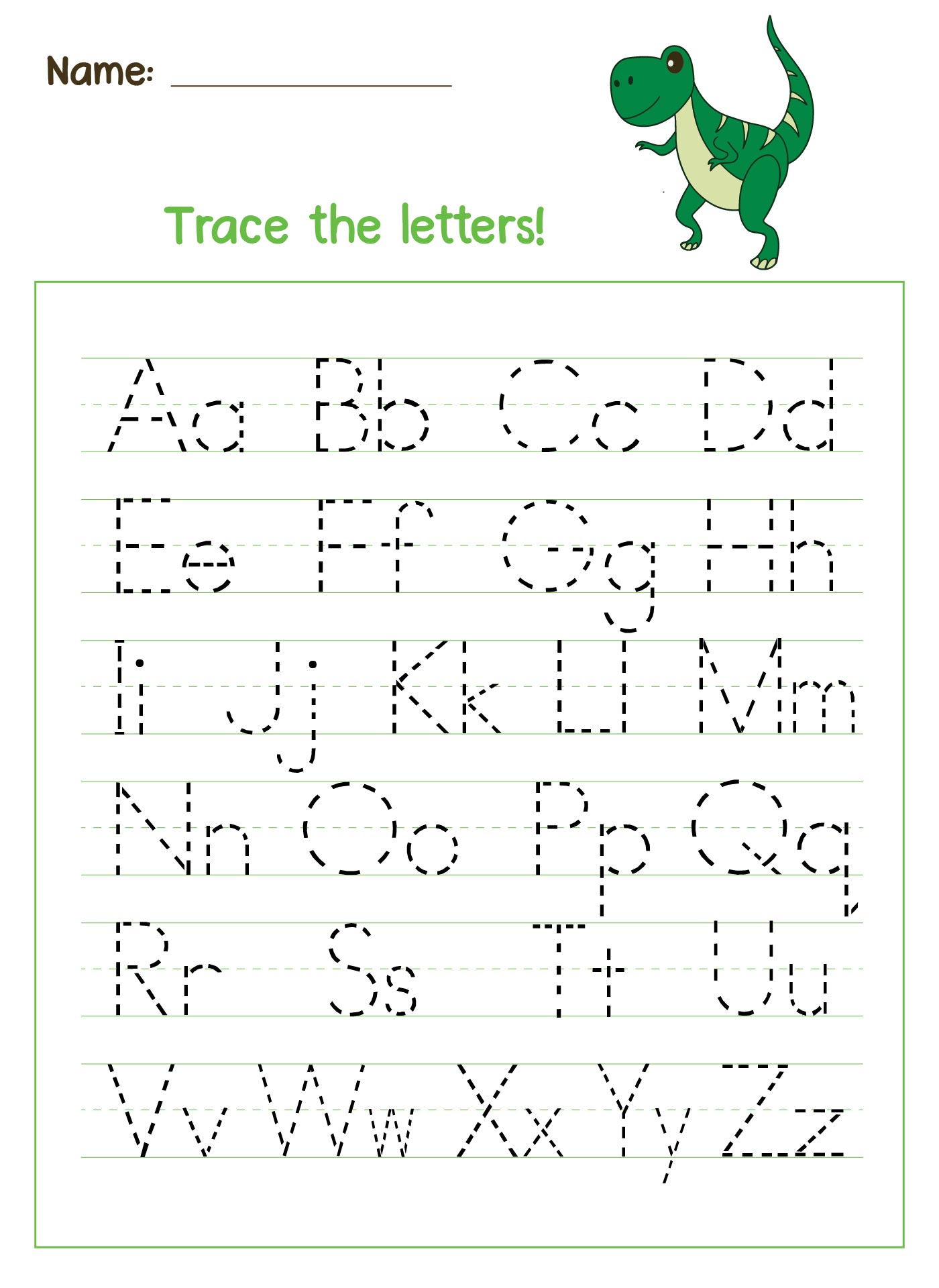
Literacy worksheets typically focus on letter recognition, phonemic awareness, and early writing skills. Activities such as tracing letters, matching pictures to words, and identifying beginning sounds can foster a love for reading and writing.
- Letter Tracing: Worksheets that encourage children to trace both uppercase and lowercase letters help develop writing skills.
- Phonics Activities: Worksheets featuring pictures and corresponding words can assist in phonics practice, making it easier for children to associate sounds with letters.
Math Worksheets
Math worksheets for preschoolers often cover basic concepts such as counting, number recognition, and simple addition and subtraction. Engaging activities can include:
- Counting Objects: Worksheets that require children to count and color a specific number of items can enhance their counting skills.
- Number Matching: Activities where children connect numbers with corresponding groups of objects help reinforce number recognition.
Science and Nature Worksheets
Introducing preschoolers to science concepts through worksheets can spark their curiosity about the world around them. Worksheets might include:
- Nature Scavenger Hunts: Printable lists that encourage children to find and identify items in nature can promote outdoor learning and exploration.
- Animal Facts: Simple worksheets that provide fun facts about animals can enhance vocabulary while teaching children about different species.
Social Skills Worksheets
Social skills worksheets help children learn about emotions, sharing, and cooperation. These can include:
- Emotion Identification: Worksheets that feature different facial expressions encourage children to recognize and discuss emotions.
- Role-Playing Scenarios: Printable activities that involve role-playing can help children practice sharing and turn-taking in a fun, low-pressure environment.
Best Practices for Using Printable Worksheets
Using Printable Pre-k Worksheets Free effectively can enhance learning outcomes. Here are some best practices for implementation:
Setting Up the Learning Environment
Create a dedicated space for learning that is free from distractions. A well-organized area with necessary supplies, such as crayons, markers, and scissors, can help children focus and engage with the worksheets.
Incorporating Worksheets Into Daily Routines
Integrate worksheets into daily activities rather than treating them as standalone tasks. For example, after reading a book, you could offer a related worksheet for children to complete. This approach reinforces learning and makes connections between different subjects.
Monitoring Progress
To assess mastery of concepts, it’s crucial to monitor children’s progress while using worksheets. Look for signs that indicate understanding, such as:
- Accuracy: Check if children are correctly completing the tasks on the worksheets.
- Engagement: Note how actively they participate in the activities. Are they excited to work on the worksheets, or do they seem disinterested?
If a child struggles with a particular concept, consider providing additional worksheets for practice or using a different approach, such as hands-on activities or interactive games.
Where to Find Printable Pre-k Worksheets Free
Numerous online resources offer Printable Pre-k Worksheets Free. Websites dedicated to educational materials often provide a wealth of options across various subjects. Look for sites that allow easy downloads and offer a variety of formats, such as PDFs, to ensure compatibility with your printing setup.
Additionally, consider joining online communities or forums where educators and parents share resources. These platforms can provide recommendations for high-quality worksheets and tips on how to implement them effectively.
Tips for Printing and Preparing Worksheets
When preparing Printable Pre-k Worksheets Free for use, consider the following tips:
- Paper Type: Using heavier cardstock can make worksheets more durable, especially if they will be used repeatedly or laminated for long-term use.
- Printer Settings: Adjust your printer settings for the best quality. Portrait layout tends to work well for most home printers, ensuring that all content fits properly on the page.
- Laminating Options: If you plan to reuse worksheets, laminating them can protect against wear and tear. This also allows for dry-erase markers to be used, making it easy to wipe and reuse.
Selecting the right Printable Pre-k Worksheets Free is crucial for nurturing young learners’ development. By understanding the types of worksheets available and implementing them thoughtfully, teachers and parents can create enriching educational experiences that lay the groundwork for lifelong learning.
Printable Pre-k Worksheets Free Gallery