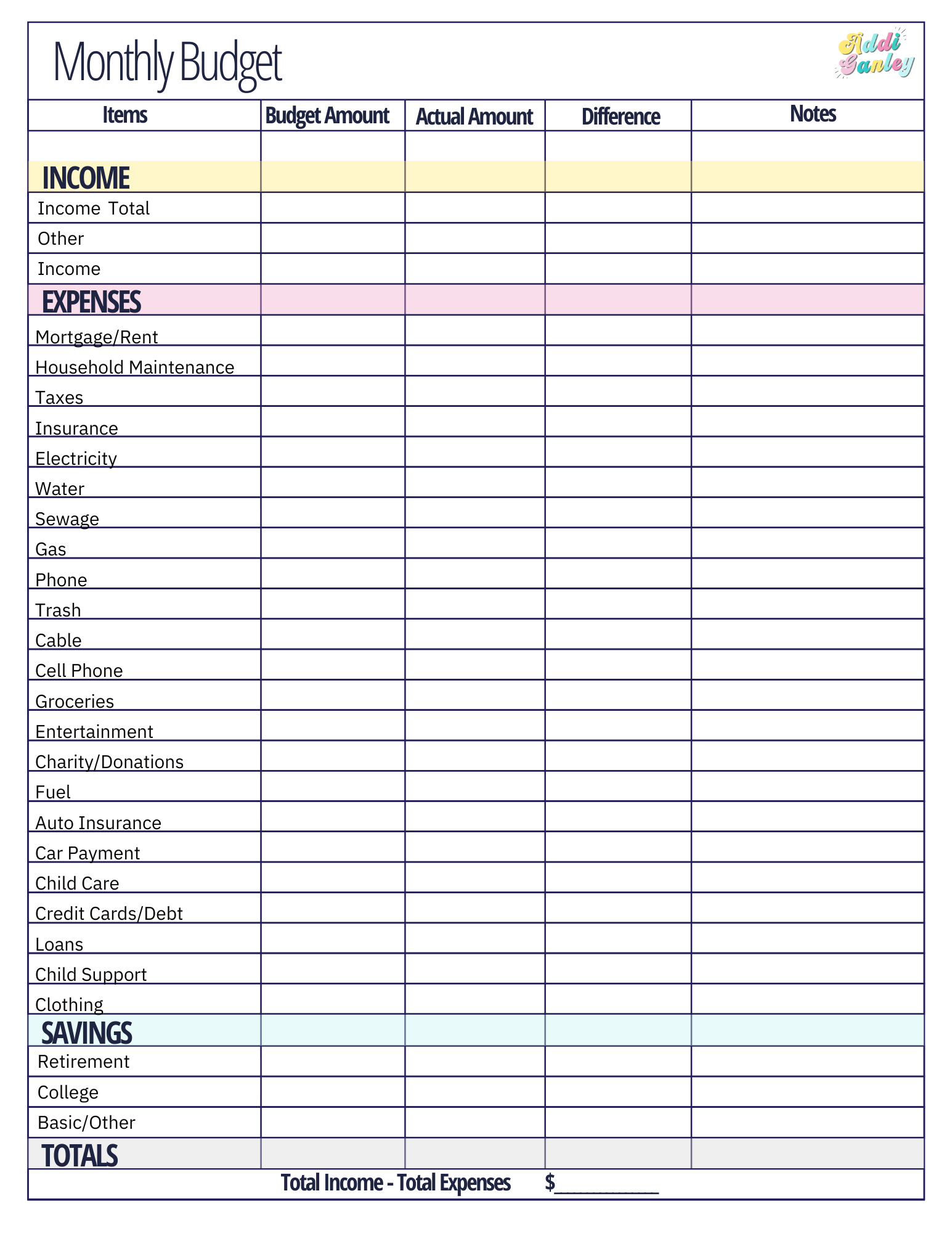
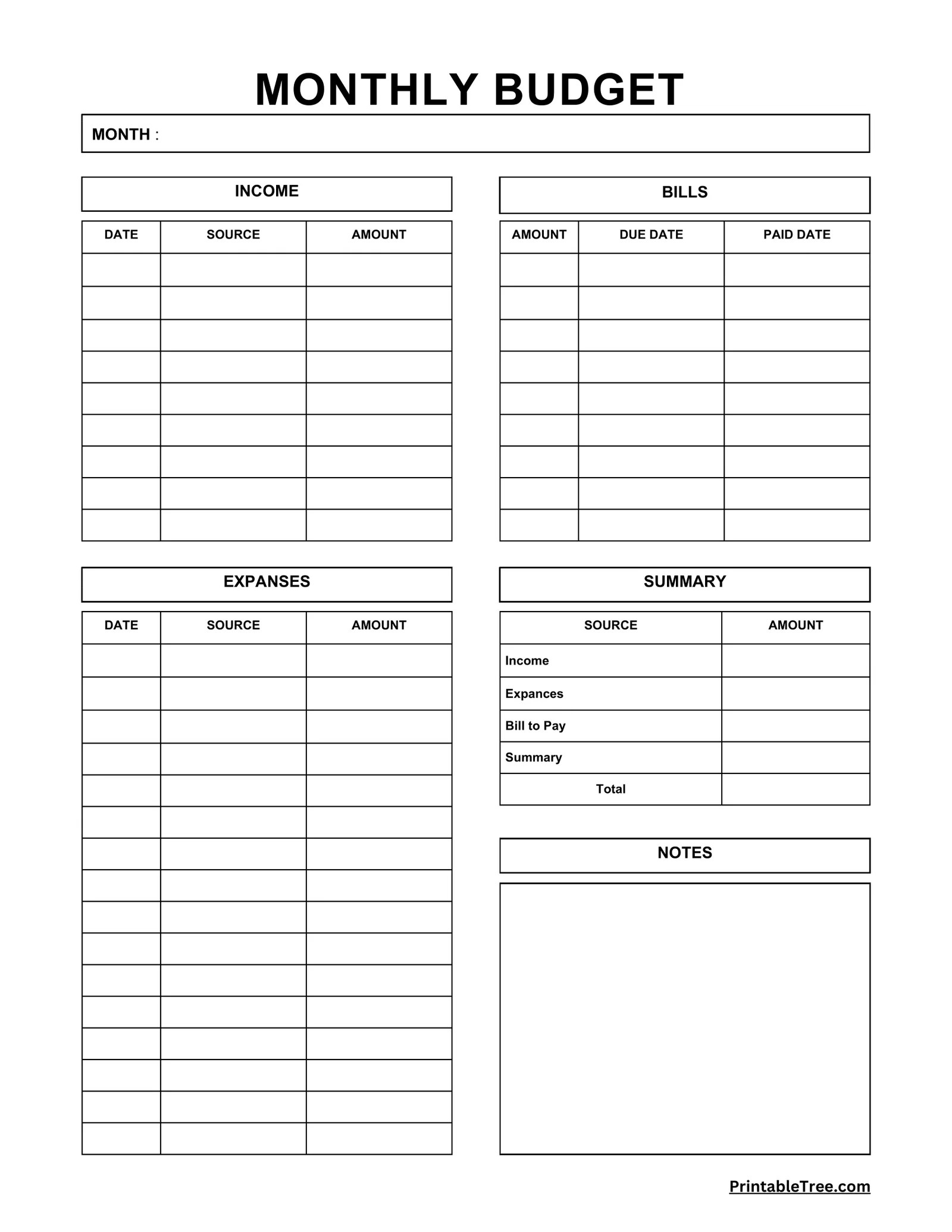
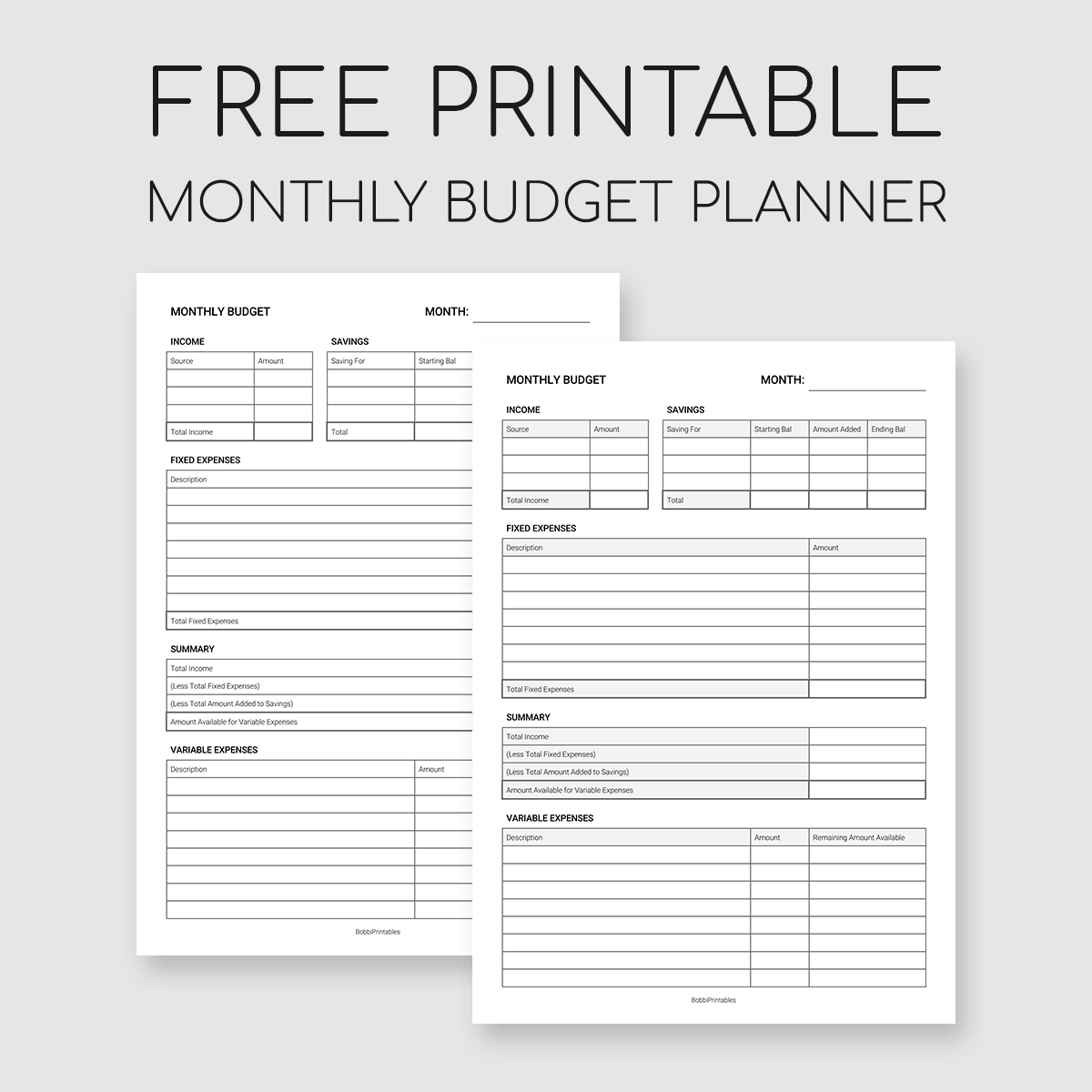
Managing a budget is an essential skill that can greatly impact financial well-being. With our Free Monthly Budget Worksheet Printable, you can help teach this vital skill to students or children at home. This worksheet provides a structured way to track income, expenses, and savings, making it an ideal resource for classroom or family use.
Understanding the Importance of Budgeting
Budgeting isn’t just about keeping track of money; it’s about planning for the future. Teaching students to budget can instill a sense of responsibility and awareness regarding their finances. A well-structured budget helps them understand the value of money, prioritize spending, and save for future goals.
Why Use a Worksheet?
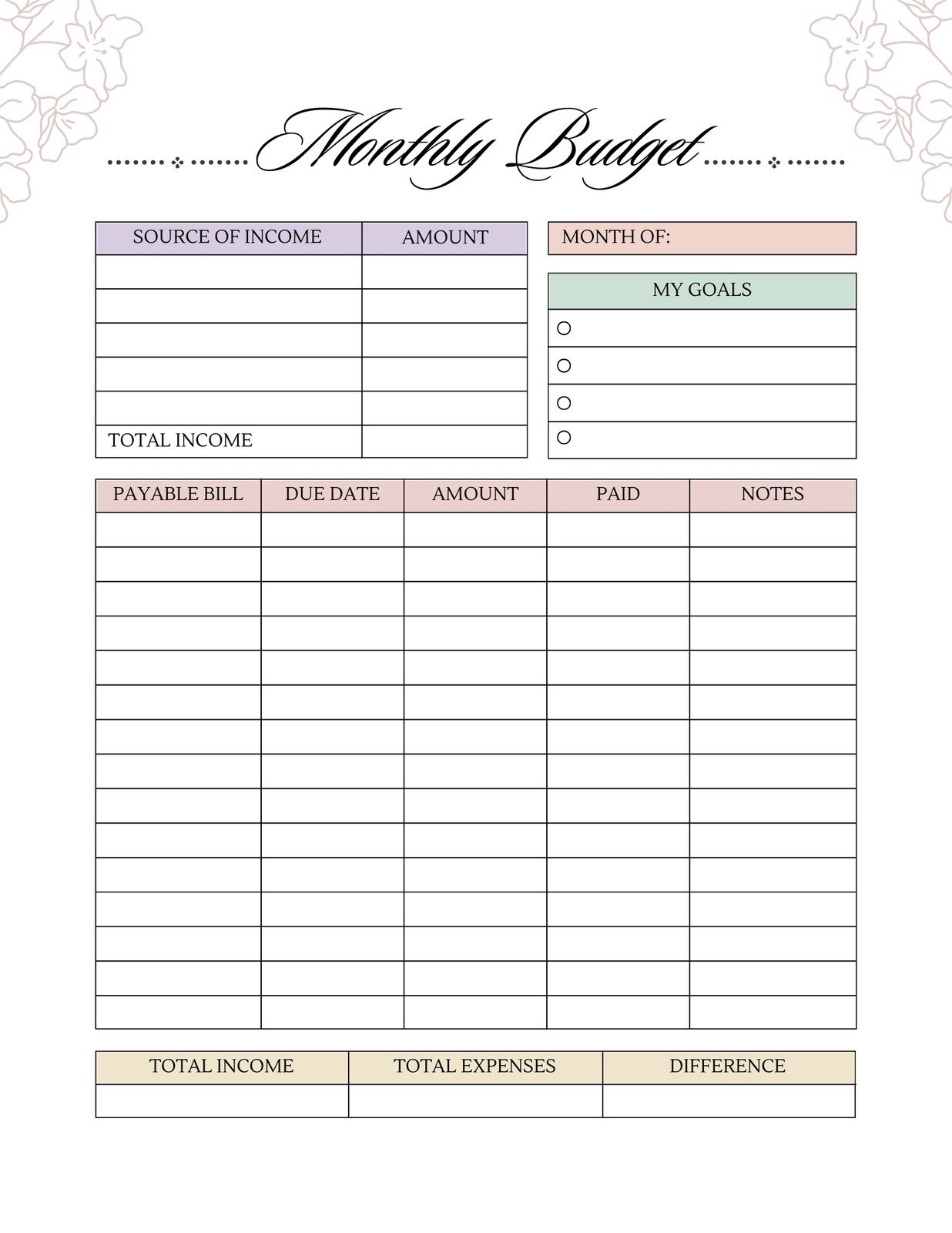
Worksheets provide a hands-on approach to learning. They allow students to actively engage with the material rather than just passively absorbing information. A Free Monthly Budget Worksheet Printable simplifies the budgeting process, making the concepts more tangible. It breaks down complex financial ideas into manageable sections, promoting independent practice.
How to Access the Free Monthly Budget Worksheet Printable
Accessing the Free Monthly Budget Worksheet Printable is straightforward. Here’s how you can obtain it:
- Visit the website that offers the printable resource.
- Locate the worksheet in the budgeting section. It’s often marked clearly for easy identification.
- Click on the download link. This will usually be in PDF format, ensuring that the layout remains consistent when printed.
- Save the file to your device for easy access later.
Preparing to Use the Worksheet
Before diving into budgeting, it’s beneficial to gather some preliminary information. Here are a few steps to take to prepare:
- Estimate Income: Know the total amount of money coming in for the month. This can include allowances, part-time job earnings, or any other sources of income.
- List Expenses: Think about fixed and variable expenses. Fixed expenses might include rent or subscriptions, while variable expenses could be groceries or entertainment.
- Set Goals: Discuss short-term and long-term financial goals with your child or students. This could be saving for a new video game or a more significant goal like college.
Printing the Worksheet
Once you have the worksheet downloaded, it’s time to print it. Here are a few tips:
- Paper Size: Use standard letter-size paper (8.5 x 11 inches), which is compatible with most printers.
- Print Settings: Set your printer to standard quality. Portrait layout typically works best for worksheets.
- Cardstock vs. Standard Paper: If you plan to use the worksheet multiple times, consider printing on cardstock for durability. You might also want to laminate it for reuse, allowing for dry-erase markers.
Filling Out the Worksheet
Now comes the fun part—filling out the worksheet! Here’s a step-by-step approach to ensure clarity:
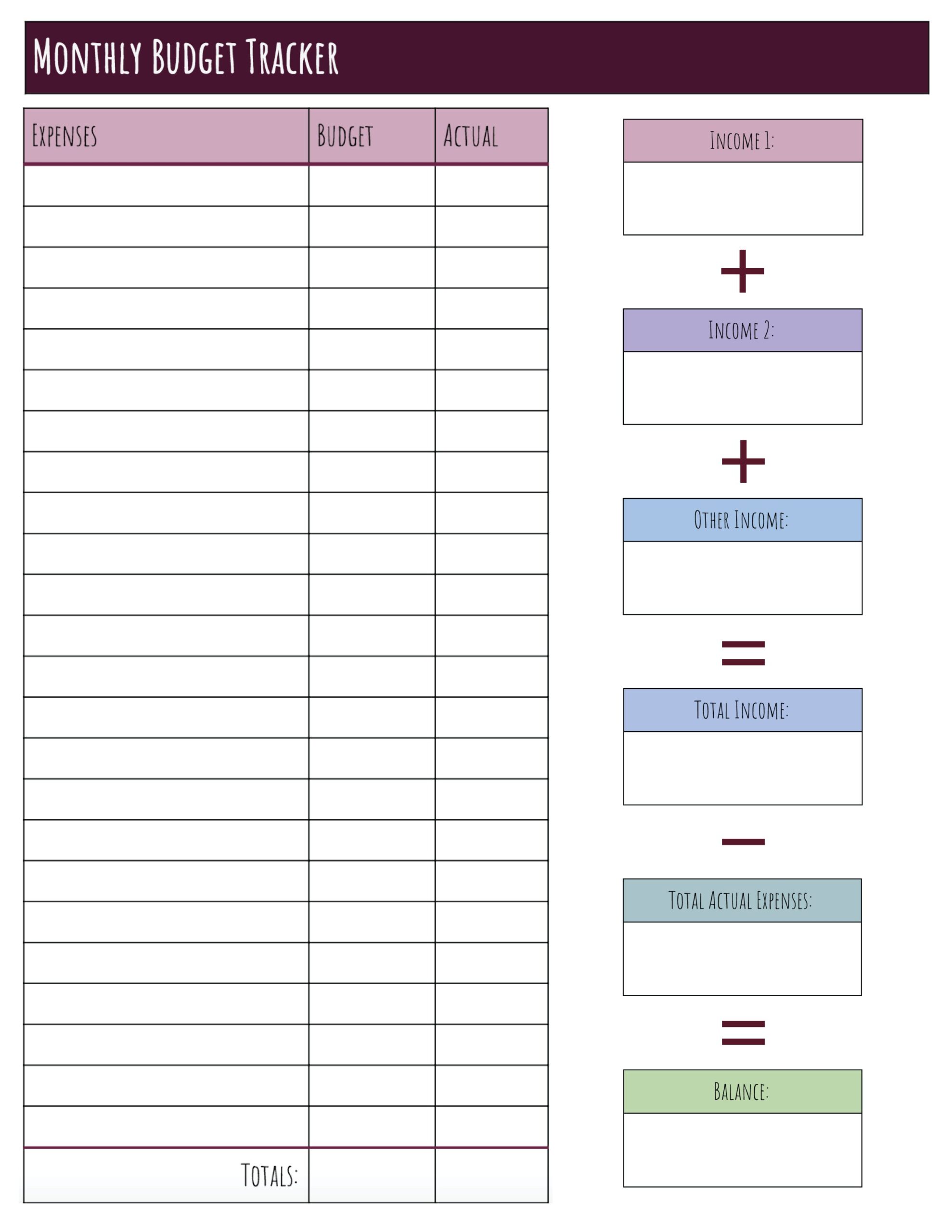
- Income Section: Start by entering all sources of income in the designated area. This gives a clear picture of what funds are available.
- Expense Categories: Break down expenses into categories like housing, food, transportation, and entertainment. This helps visualize where money is going.
- Total Expenses: Add up all expenses. This step is crucial as it will help determine if there’s a surplus or deficit.
- Balance Calculation: Subtract total expenses from total income. This figure will show whether you are living within your means or need to adjust spending.
Discussing the Results
Once the worksheet is filled out, take some time to review the results. Discussing the outcome is vital for understanding:
- Surplus vs. Deficit: If there’s a surplus, talk about what to do with the extra money—saving, investing, or spending. If there’s a deficit, discuss areas where expenses can be reduced.
- Financial Goals: Revisit the goals set earlier. Are they realistic based on the current budget? Adjusting goals or budgets can be a valuable lesson in flexibility and planning.
- Reflection: Encourage students or children to reflect on their spending habits. What surprised them? What changes can they make moving forward?
Making Budgeting a Habit
Budgeting shouldn’t just be a one-time activity. Encourage regular use of the Free Monthly Budget Worksheet Printable. Here are some suggestions:
- Monthly Check-Ins: Set a date each month to review budgets together. This creates a routine and reinforces the importance of budgeting.
- Incorporate Technology: If older students are interested, introduce them to budgeting apps or online tools that can complement the worksheet.
- Celebrate Success: Acknowledge when savings goals are met. This positive reinforcement can motivate continued budgeting efforts.
Adapting the Worksheet for Different Needs
The Free Monthly Budget Worksheet Printable is versatile and can be adapted for different ages and situations. Here’s how:
- Younger Children: Simplify the worksheet by focusing on basic income and allowance tracking. Use visuals or stickers for engagement.
- Teens: Include more complex financial scenarios, like part-time jobs or savings for college, to prepare them for real-world budgeting.
- Classroom Use: Teachers can incorporate the worksheet into lessons on economics or personal finance, providing a practical application of classroom concepts.
Free Monthly Budget Worksheet Printable Gallery