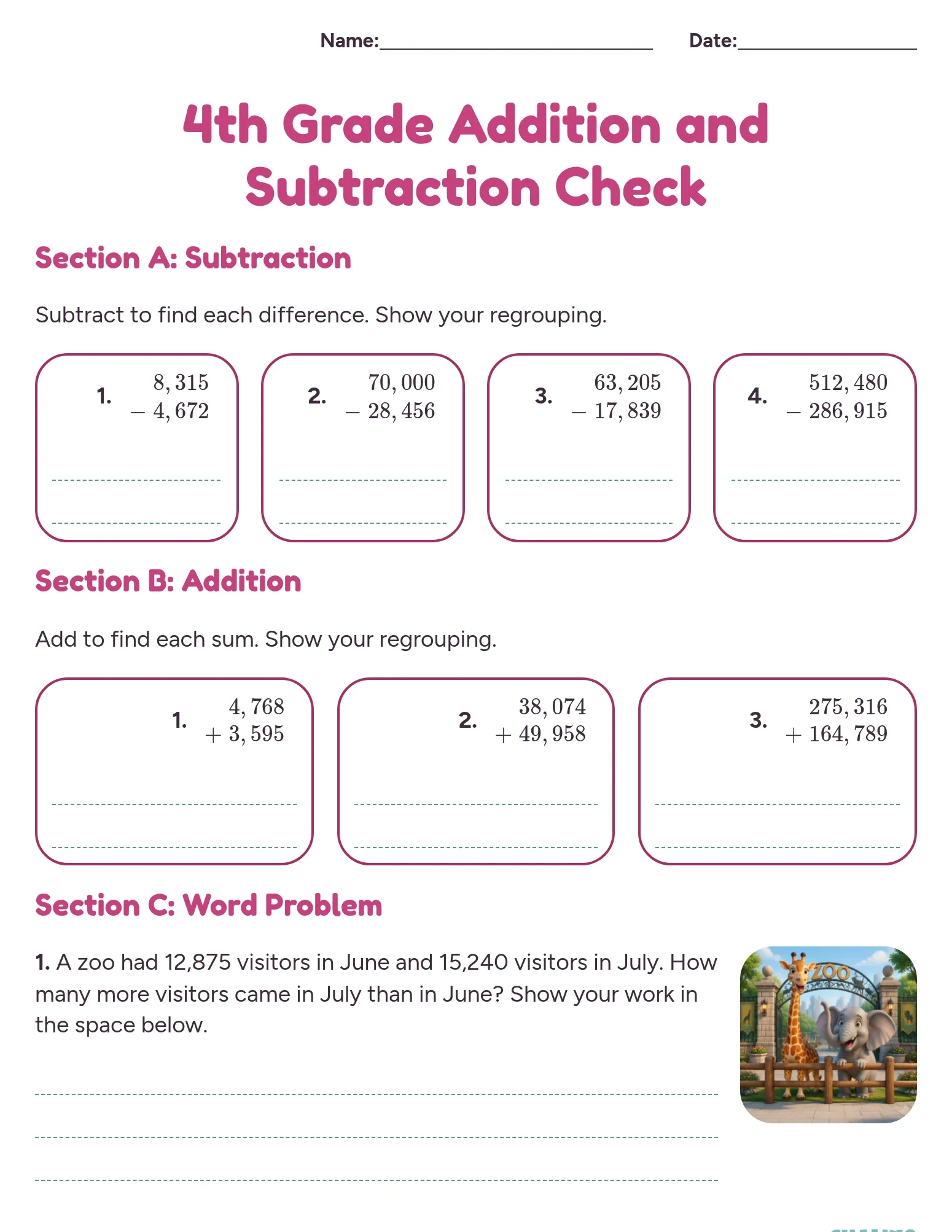
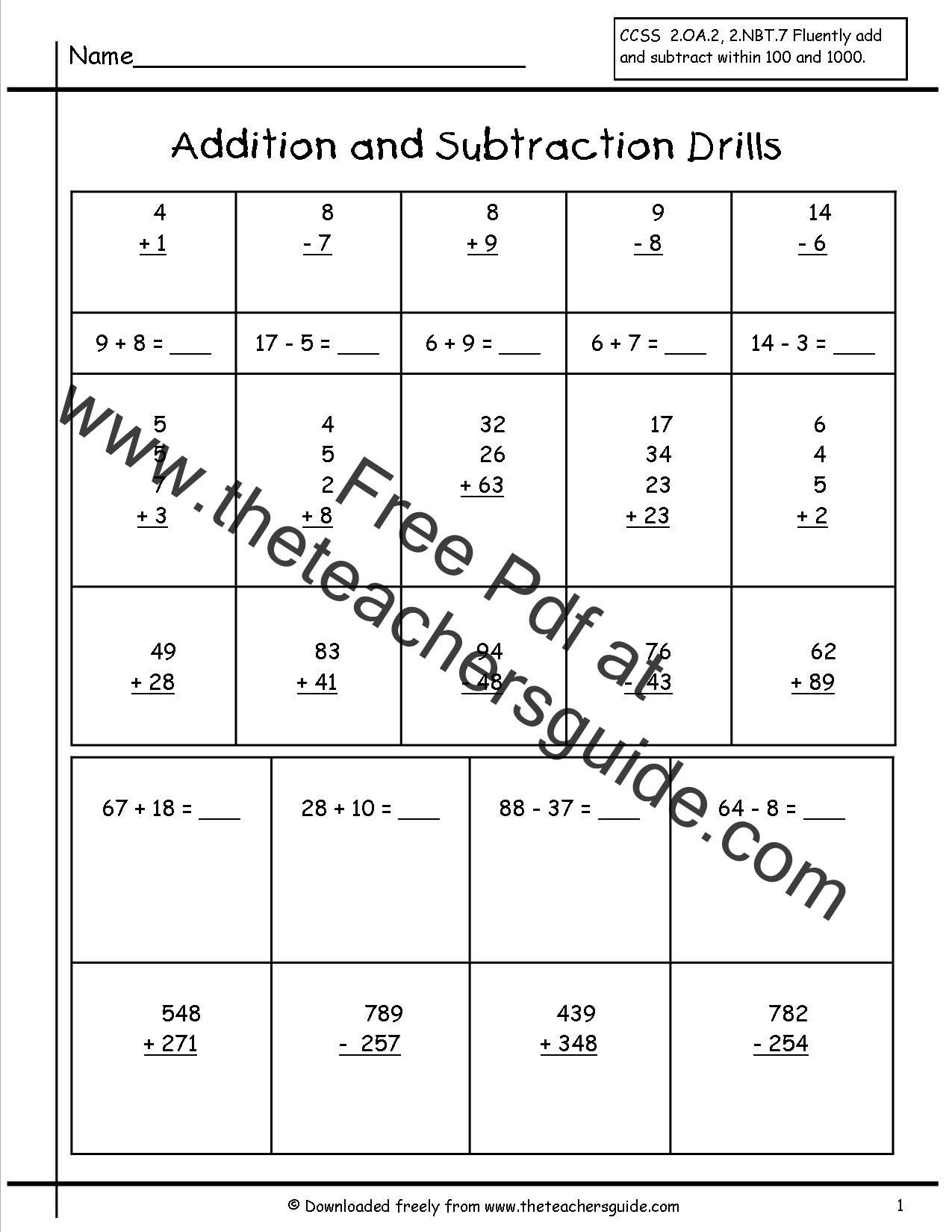
Free Printable Addition and Subtraction Worksheets are essential tools for educators and parents aiming to enhance children’s arithmetic skills. These worksheets provide a structured way for students to practice addition and subtraction, which are foundational math skills critical for their academic success. By incorporating these resources into regular study routines, you can support children’s learning while tracking their progress effectively.
Understanding the Importance of Addition and Subtraction Practice
Addition and subtraction are not just basic math skills; they form the bedrock for more advanced mathematical concepts. Mastering these operations allows children to tackle problems involving multiplication, division, fractions, and even algebra later on. Regular practice using Free Printable Addition and Subtraction Worksheets helps reinforce these skills, ensuring that children become confident and proficient in their math abilities.
It’s essential to provide varied practice opportunities. Worksheets can include different formats, such as:
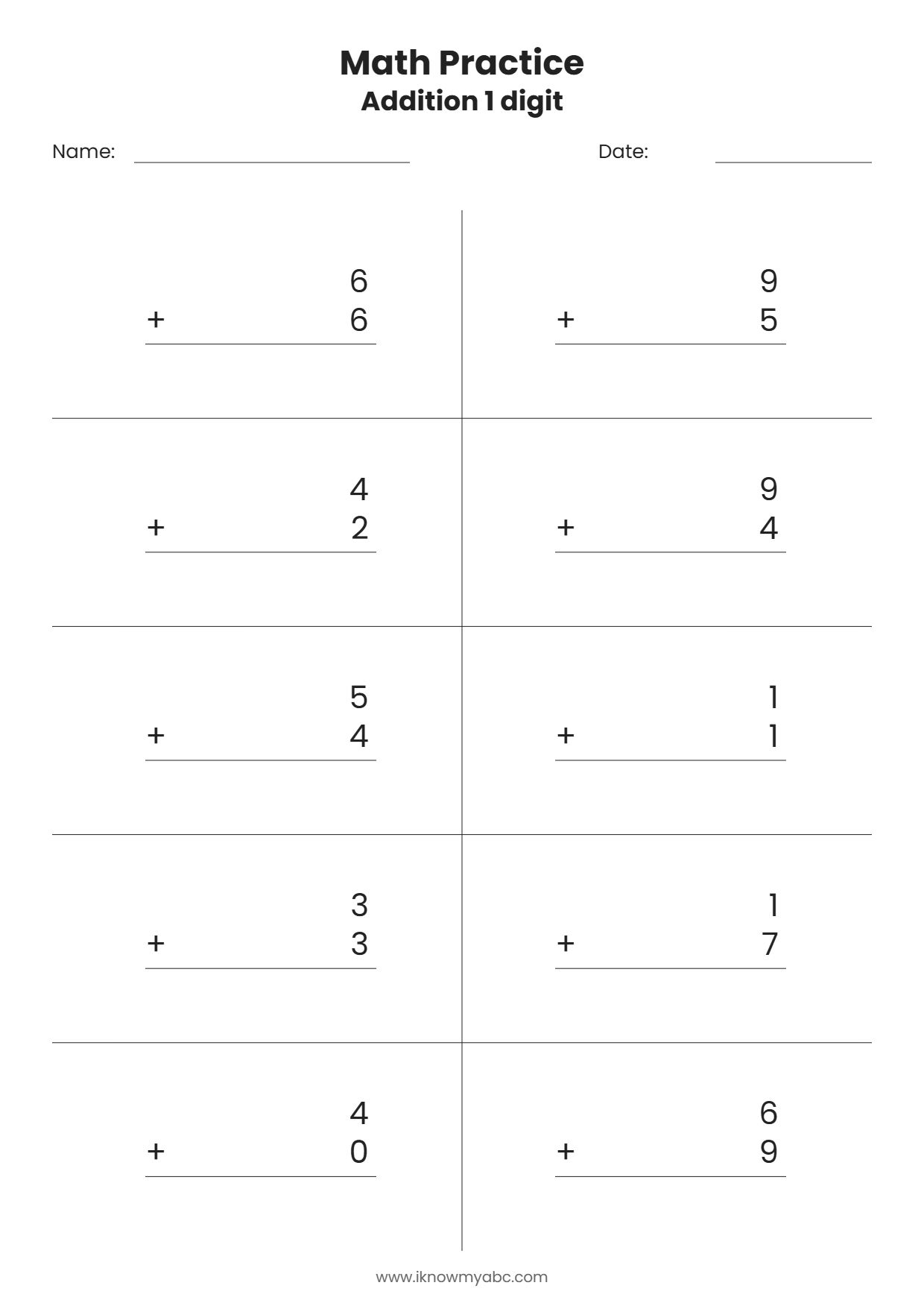
- Simple equations (e.g., 2 + 3 = ?)
- Word problems that require children to apply addition and subtraction in real-world contexts
- Mixed operations that challenge students to switch between addition and subtraction
This variation not only keeps students engaged but also aids in reinforcing their understanding of when to use each operation.
Selecting the Right Worksheets for Your Students
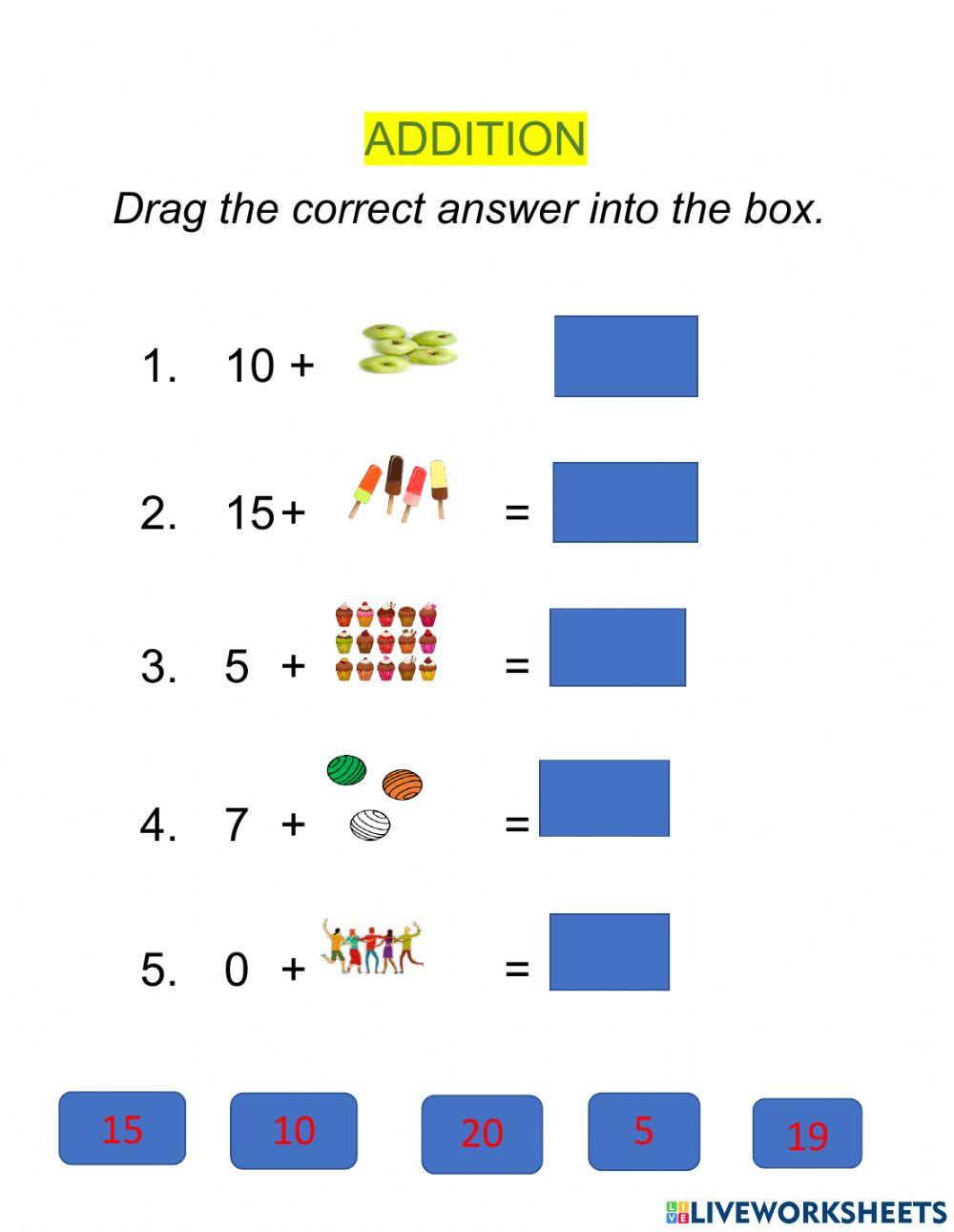
When choosing Free Printable Addition and Subtraction Worksheets, consider the age and skill level of your students. Worksheets designed for younger children (typically kindergarten to second grade) often feature more straightforward problems and visual aids like pictures or counters. In contrast, worksheets for older students may incorporate larger numbers or more complex word problems.
Look for worksheets that offer:
- Clear instructions: Ensure that the tasks are easy to understand.
- Variety of problems: Include both addition and subtraction, as well as mixed problems.
- Visual aids: Especially for younger learners, visuals can help them grasp concepts better.
Additionally, consider how you plan to use these worksheets. Are they for individual practice, group activities, or homework assignments? Having a clear purpose in mind will guide your selection process.
Effective Strategies for Using Worksheets in the Classroom
Integrating Free Printable Addition and Subtraction Worksheets into your lesson plans can greatly enhance students’ learning experiences. Here are several strategies to maximize their effectiveness:
- Daily Practice: Incorporate a short worksheet into your daily routine. This helps students build a habit of regular practice, which is crucial for mastering skills.
- Themed Worksheets: Utilize worksheets that align with seasons, holidays, or specific themes. This can make learning more enjoyable and relevant to students’ lives.
- Track Progress: Use the worksheets to monitor student progress. You can keep a record of completed worksheets to identify areas where a student may need additional help.
- Peer Review: Encourage students to work in pairs or small groups. They can swap worksheets and help each other check answers, fostering collaboration and discussion around math concepts.
- Incorporate Technology: If possible, consider using digital versions of the worksheets. This can facilitate easier sharing and provide interactive elements that engage tech-savvy students.
Tips for Downloading and Printing Worksheets
When accessing Free Printable Addition and Subtraction Worksheets online, keep the following tips in mind to ensure a smooth experience:
- Check File Formats: PDFs are typically the best option for printing. They maintain formatting across devices, ensuring that your worksheets look as intended.
- Use Standard Paper Sizes: Most worksheets are designed for standard letter-sized paper (8.5 x 11 inches). Make sure your printer settings are adjusted accordingly to avoid cut-off margins.
- Quality of Printing: Use a color printer if possible, especially for worksheets that include visuals. However, black and white can suffice for simple text-based worksheets. Always preview the document before printing to ensure that everything appears correctly.
- Consider Lamination: If you’re using worksheets for repeated practice, consider laminating them. This allows students to use dry-erase markers, making the worksheets reusable.
Engaging With Parents and Guardians
Involving parents in their children’s learning process can amplify the benefits of using Free Printable Addition and Subtraction Worksheets. Here are some ways to engage parents:
- Send Worksheets Home: Provide parents with copies of worksheets to reinforce learning at home. This also allows parents to track their child’s progress.
- Parent Workshops: Consider hosting workshops to explain how parents can effectively use these worksheets with their children. Providing guidance on how to support their learning can empower parents to be more involved.
- Feedback Loop: Encourage parents to provide feedback on the worksheets. Understanding what works well and what doesn’t can help you refine your resource selection in the future.
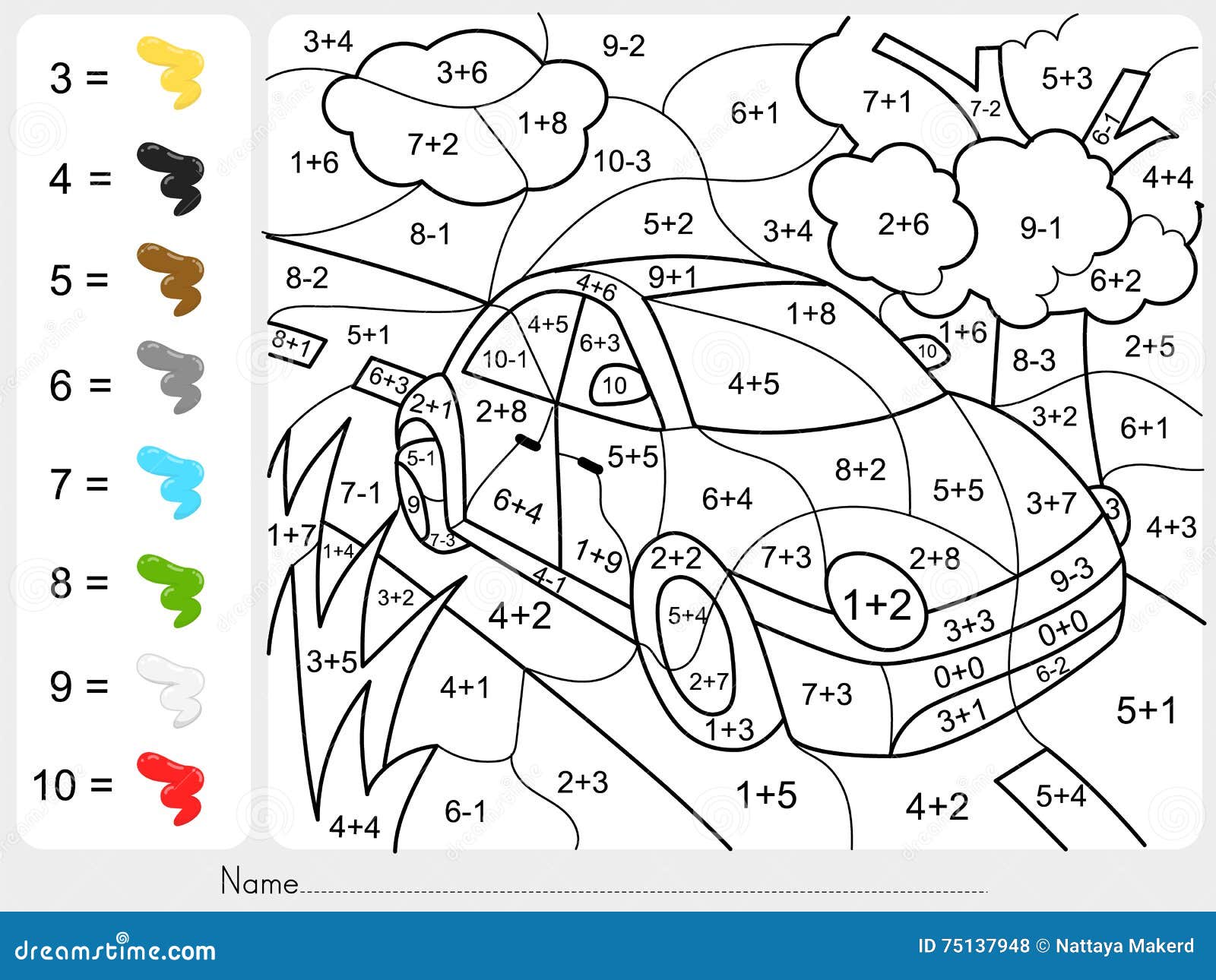
Creating a Balanced Math Curriculum
While Free Printable Addition and Subtraction Worksheets are excellent resources, they should be part of a broader math curriculum. Incorporating different teaching methods and materials can cater to diverse learning styles. Here are some suggestions:
- Hands-on Activities: Use physical objects (like blocks or counters) for students to visualize addition and subtraction problems. This tactile approach can be beneficial for kinesthetic learners.
- Games and Puzzles: Introduce math games that reinforce addition and subtraction skills. This can make learning fun and interactive, encouraging students to engage more deeply with the material.
- Real-Life Applications: Encourage students to use math in their daily lives. Ask them to help with shopping lists, budgeting, or measuring ingredients while cooking. This contextual learning reinforces the importance of math skills.
By diversifying your approach, you can cater to various learning styles and keep students motivated to learn.
Free Printable Addition and Subtraction Worksheets Gallery