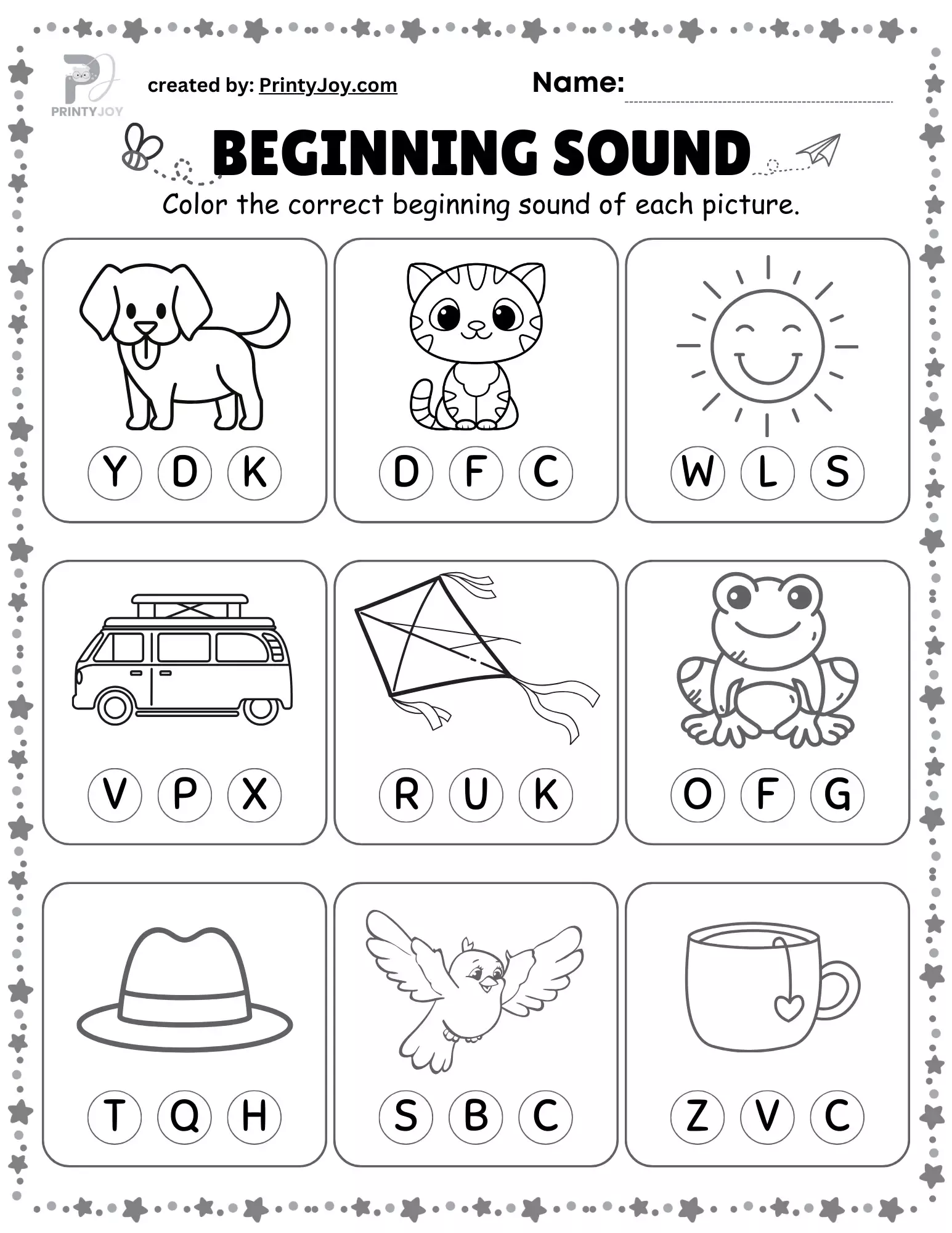
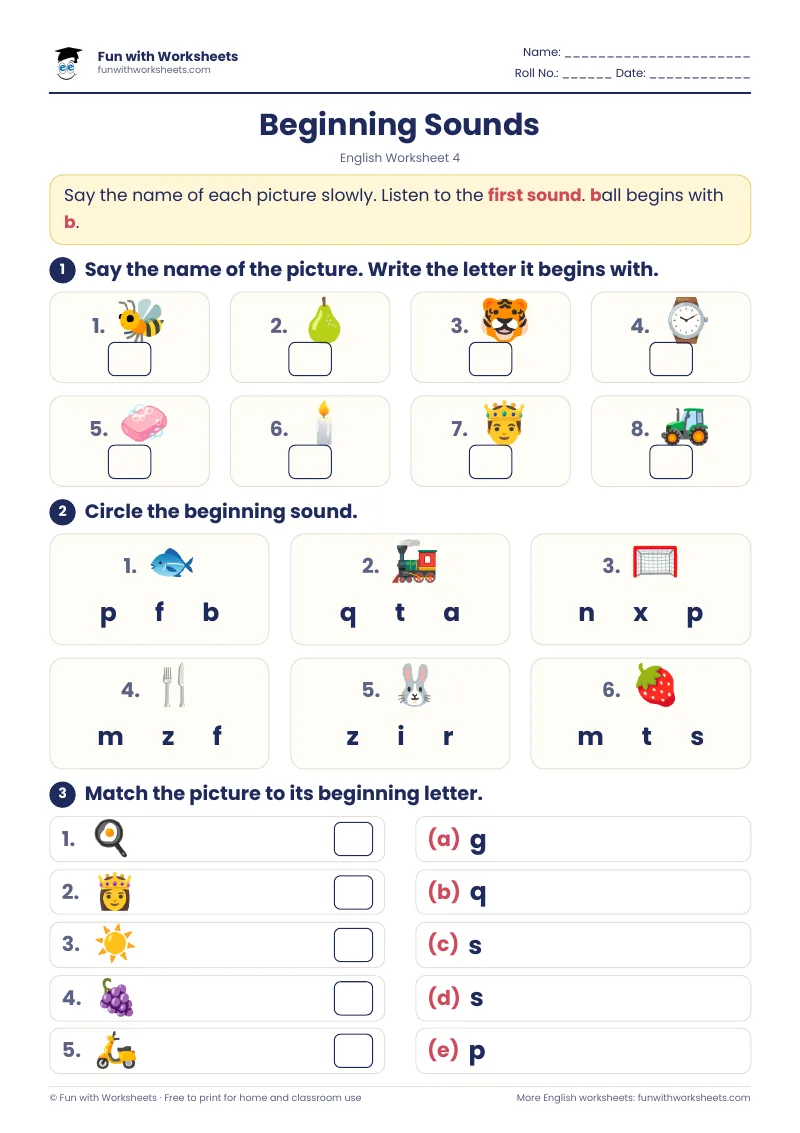
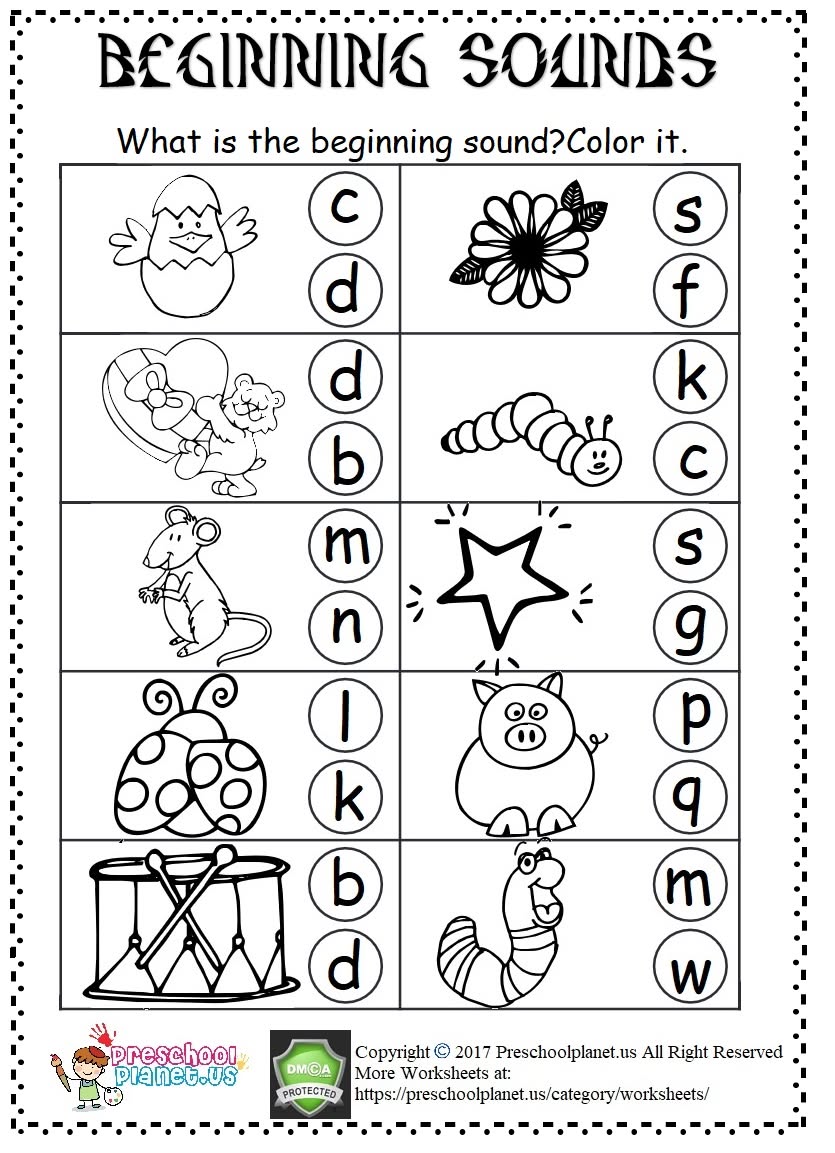
Using worksheets in the classroom is a fantastic way to reinforce learning, especially when it comes to phonics. Free Printable Beginning Sounds Worksheets are an excellent tool to help young learners grasp the concept of sounds associated with letters. These worksheets are not just educational; they also make learning fun and interactive, which is crucial for maintaining the interest of early learners.
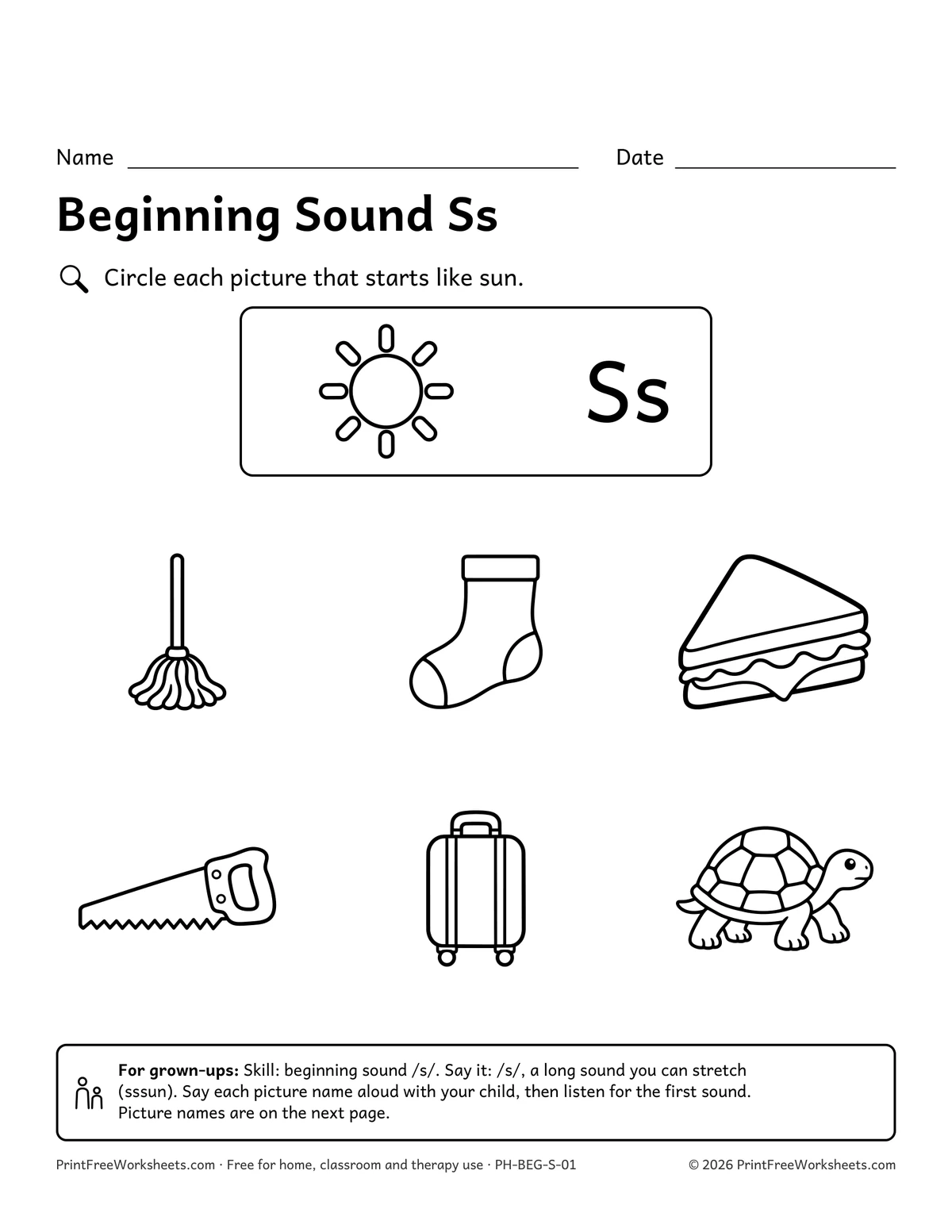
The Importance of Beginning Sounds in Early Literacy
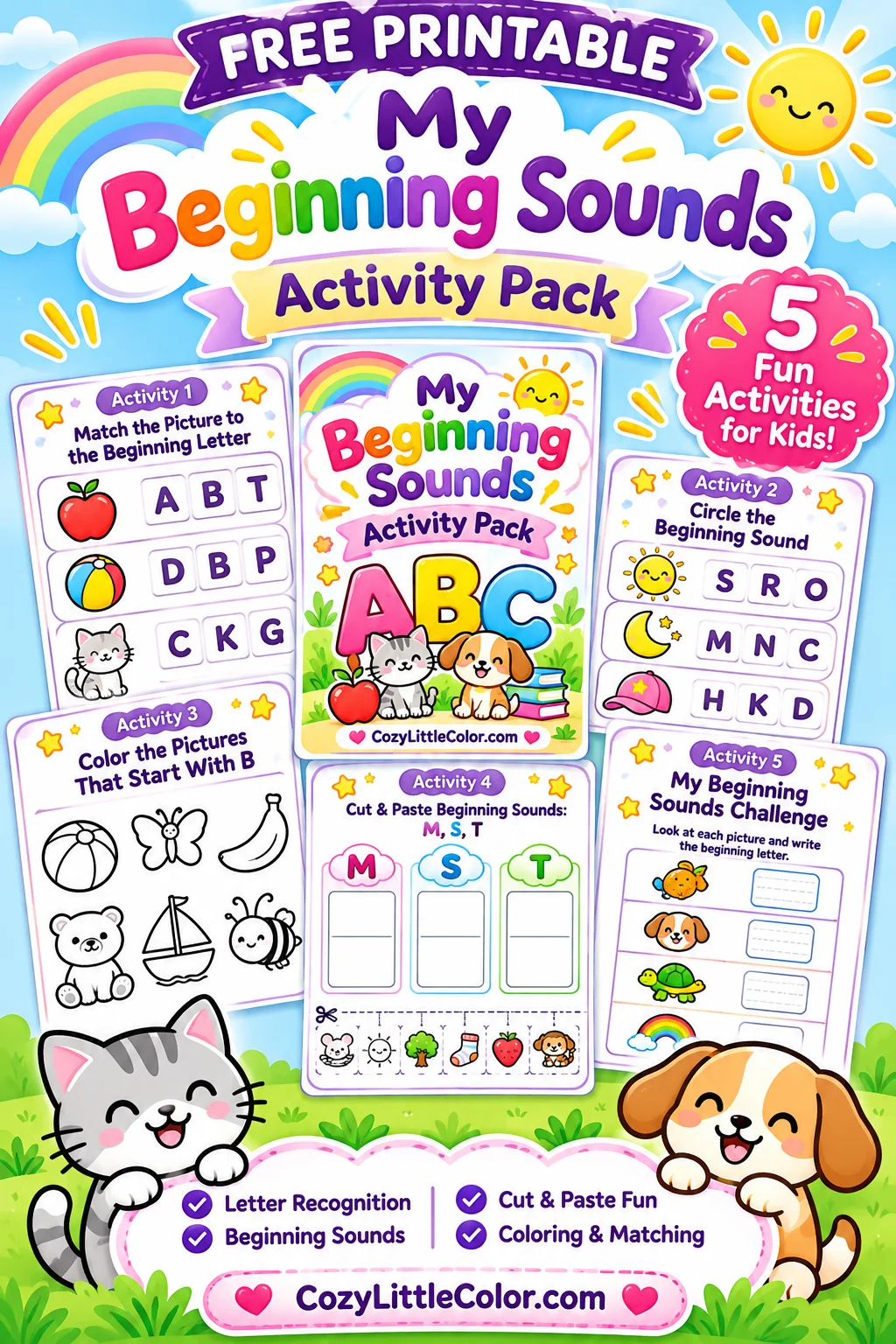
Understanding beginning sounds is fundamental for children learning to read. This skill serves as a building block for phonemic awareness, which is essential for reading success. When children can identify the initial sounds in words, they become better equipped to sound out words independently. These worksheets help children practice this skill in a structured and engaging manner.
Typically, beginning sounds worksheets are appropriate for preschool and kindergarten students, generally aged 4 to 6. By using these resources, teachers and parents can provide valuable practice that aligns with literacy standards for early education.
How to Use Free Printable Beginning Sounds Worksheets Effectively
When it comes to implementing these worksheets in your teaching strategy, flexibility is key. Here are several practical ways to utilize Free Printable Beginning Sounds Worksheets in your classroom or home:
- Daily Phonics Practice: Dedicate a few minutes each day to working on these worksheets. This routine can help reinforce the sounds of letters in a consistent manner.
- Small Group Activities: In a classroom setting, consider dividing students into small groups. Each group can work on different worksheets that focus on specific letters or sounds. This allows for targeted instruction and peer interaction.
- Independent Work: Assign these worksheets as independent practice. Children can work at their own pace, allowing them to focus on the sounds they find most challenging.
- Interactive Learning Stations: Create a learning station where students can rotate through various activities, including the worksheets. This keeps engagement high and allows for hands-on learning.
- Reinforcement at Home: For parents, these worksheets can serve as a great way to reinforce lessons learned in school. Parents can sit with their children to guide them through the worksheets, making it a bonding experience.
Tips for Printing and Preparing Worksheets
To ensure the best results when using Free Printable Beginning Sounds Worksheets, here are some practical tips:
- Paper Choice: Use standard 8.5” x 11” paper for easy printing. If you plan to use the worksheets multiple times, consider printing them on cardstock for durability. Laminating them can allow for dry-erase markers to be used, making them reusable.
- Print Settings: Check your printer settings before printing. Portrait layout typically works best for worksheets. If color is used, ensure your printer has enough ink to produce vibrant results.
- Bulk Printing: If you’re preparing for a class, print multiple copies at once. This saves time and ensures every student has access to the same resources.
- Answer Keys: If the worksheets include questions for students to answer, consider preparing an answer key. This can assist you in quickly grading or reviewing student work.
Engaging Activities to Supplement Worksheets
To maximize learning, supplement the worksheets with engaging activities that reinforce the skills being taught. Here are a few ideas:
- Sound Scavenger Hunt: After completing the worksheets, take the learning outside. Have students find objects in the classroom or home that start with specific sounds.
- Story Time Connection: Choose storybooks that emphasize beginning sounds. After reading, discuss the initial sounds of key words within the story, linking back to the worksheets.
- Art Projects: Let students create their own beginning sounds books. They can draw pictures of items that start with specific letters and write the corresponding words next to their illustrations.
- Games and Apps: Incorporate educational games or apps that focus on phonics. Many apps have interactive elements that make learning beginning sounds exciting.
Free Printable Beginning Sounds Worksheets Gallery