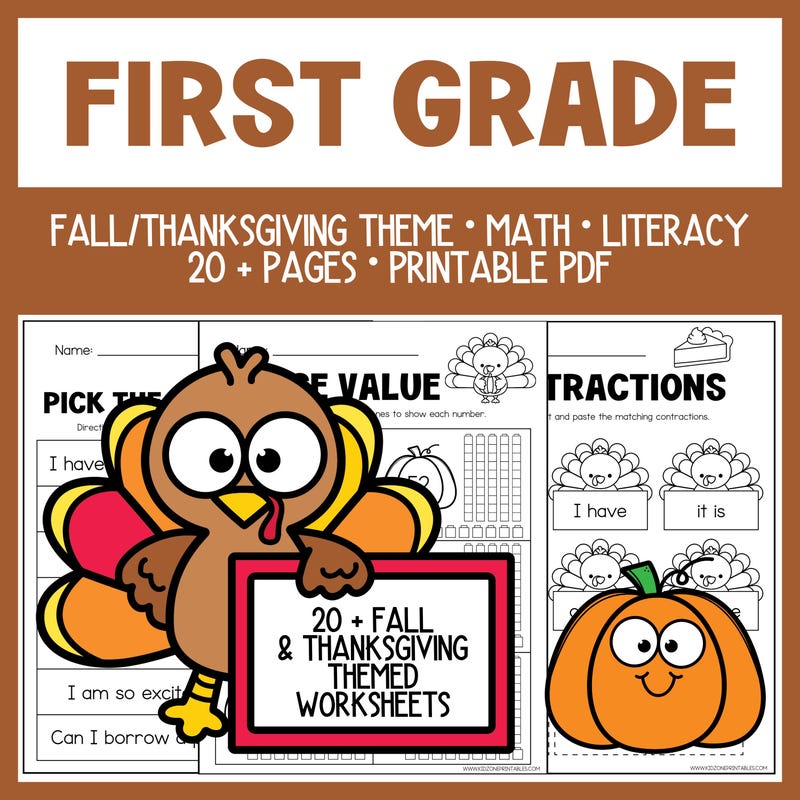
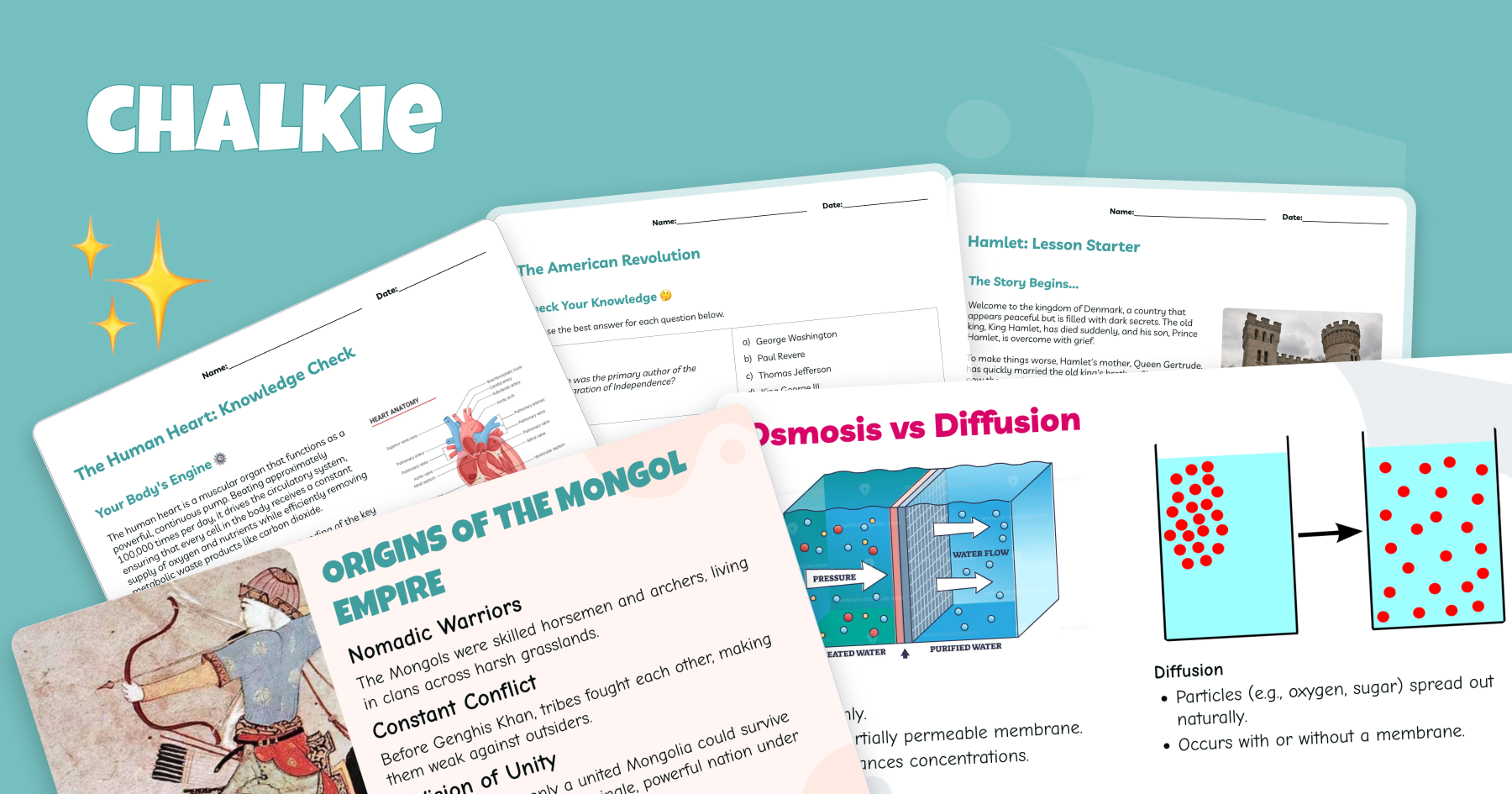
First graders are curious and eager learners, but finding resources that truly engage them can be challenging. Free Printable First Grade Worksheets solve this issue by providing teachers and parents with high-quality, ready-to-use materials that can enhance learning and track student progress. These worksheets cover a variety of subjects and skills, making them perfect for both classroom and home use. Let’s explore how to effectively use these resources to support your teaching goals.
Choosing the Right Worksheets for Your Needs
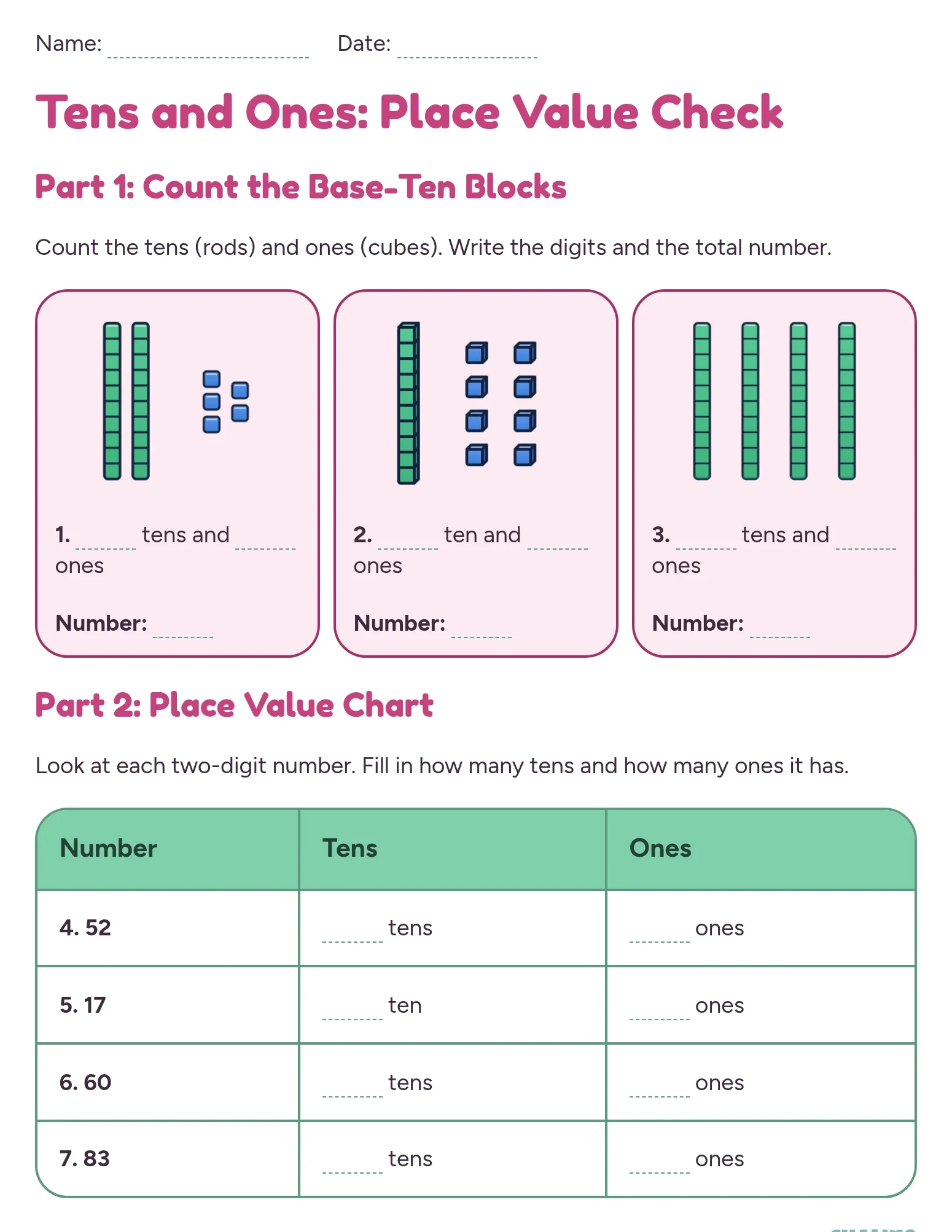
When selecting Free Printable First Grade Worksheets, consider the specific skills you want to address. First-grade students typically work on foundational skills in subjects like math, reading, writing, and science.
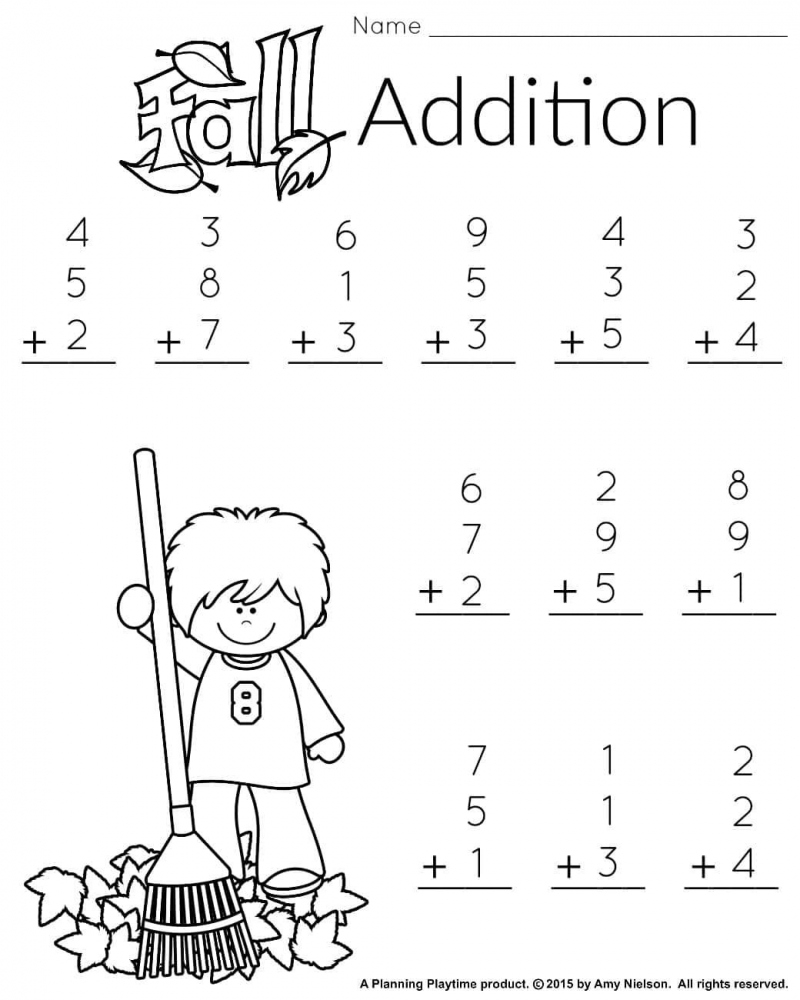
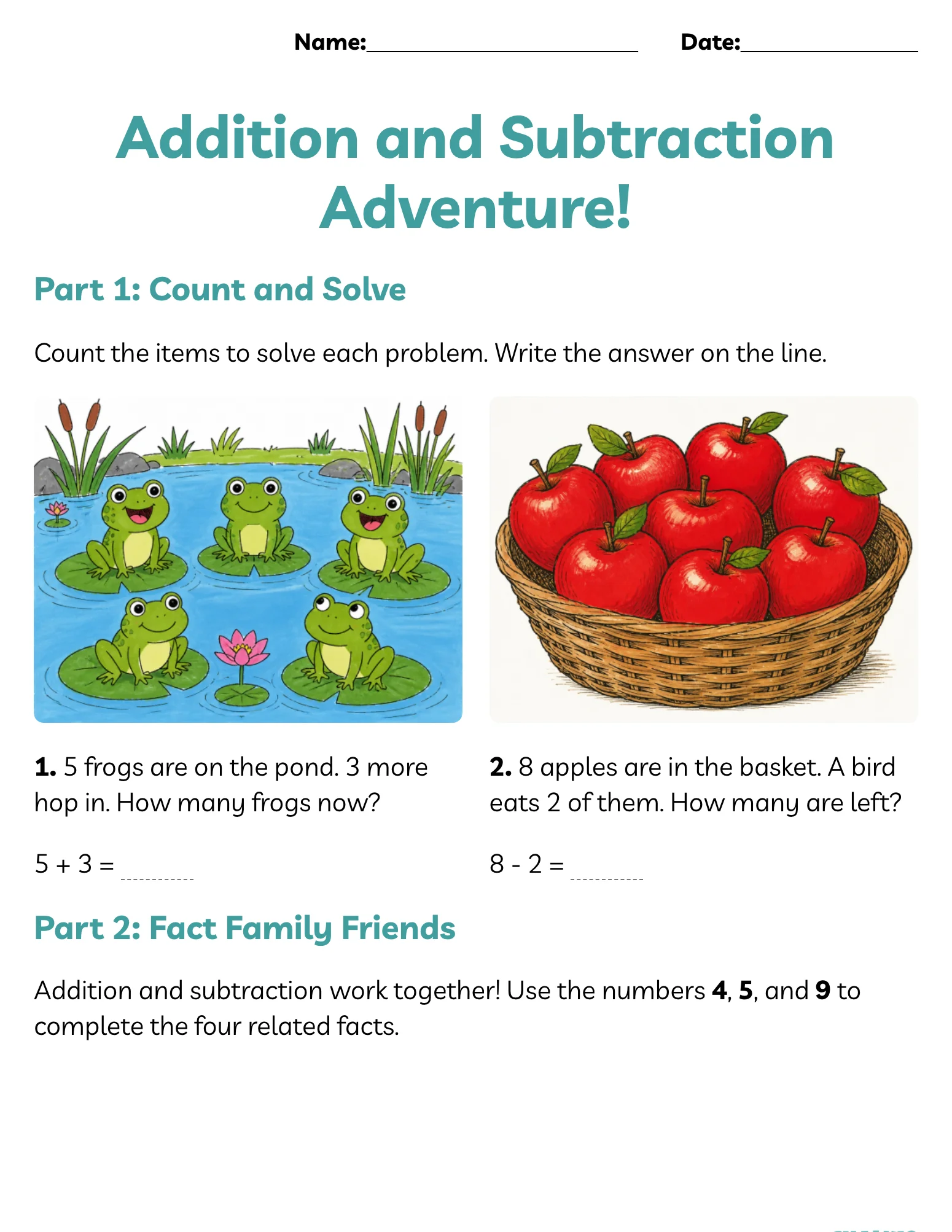
- Math Worksheets: Look for worksheets that include basic addition and subtraction problems, simple word problems, and introductory concepts like measurement and shapes.
- Reading and Writing Worksheets: Choose resources that focus on sight words, phonics, and comprehension questions. Writing prompts can help develop their creative skills.
- Science and Social Studies Worksheets: These can introduce concepts like seasons, community roles, and basic biology.
By aligning the worksheets with your curriculum, you can ensure a cohesive learning experience.
Downloading and Printing Your Worksheets
Once you’ve chosen the worksheets that best suit your classroom or home needs, the next step is downloading and printing them. Here’s a quick guide:
- Select the Worksheets: Click on the desired worksheets to access the download link. Make sure to choose the correct grade level to match your students’ abilities.
- Download Files: Most worksheets are available in PDF format. This format preserves the layout and ensures that the worksheets print correctly, avoiding common issues with image files.
- Print Settings: Use standard letter-sized paper (8.5 x 11 inches) for best results. If you plan to laminate the worksheets for repeated use, consider printing on cardstock for durability. Adjust your printer settings to “Portrait” layout for optimal printing.
Setting Up the Worksheets for Student Use
After printing, it’s essential to prepare the worksheets for effective use. Here are some practical steps:
- Organize Worksheets: Group similar worksheets together by subject or skill. This makes it easier for students to transition between activities.
- Create a Learning Station: Designate a space in your classroom or home where students can work on their worksheets. Include supplies such as pencils, crayons, and erasers for easy access.
- Introduce the Worksheets: Spend a few minutes explaining the purpose of the worksheets to your students. Show them how to complete the tasks, and encourage independence in their learning.
Using the Worksheets to Track Progress
One of the key benefits of Free Printable First Grade Worksheets is the ability to track student progress. Here’s how to do that effectively:
- Regular Assessment: Incorporate the worksheets into your regular assessment routine. Use them as homework assignments or in-class activities to gauge understanding.
- Feedback and Grading: Provide feedback on completed worksheets. Highlight areas where students excel and areas needing improvement.
- Collect Data: Keep a record of completed worksheets to monitor progress over time. This data can inform your lesson planning and help tailor future instruction to meet student needs.
Engaging Activities Beyond Worksheets
While worksheets are a great resource, supplementing them with engaging activities can enhance learning outcomes. Here are some ideas to make learning more interactive:
- Group Work: Encourage students to work together on certain worksheets, fostering collaboration and peer learning.
- Interactive Games: Turn worksheet concepts into games. For instance, use math problems for a “math relay” or reading prompts for a storytelling circle.
- Art Integration: Allow students to illustrate their answers or create visual representations of their learning. This can be especially effective for science or social studies topics.
Free Printable First Grade Worksheets Gallery