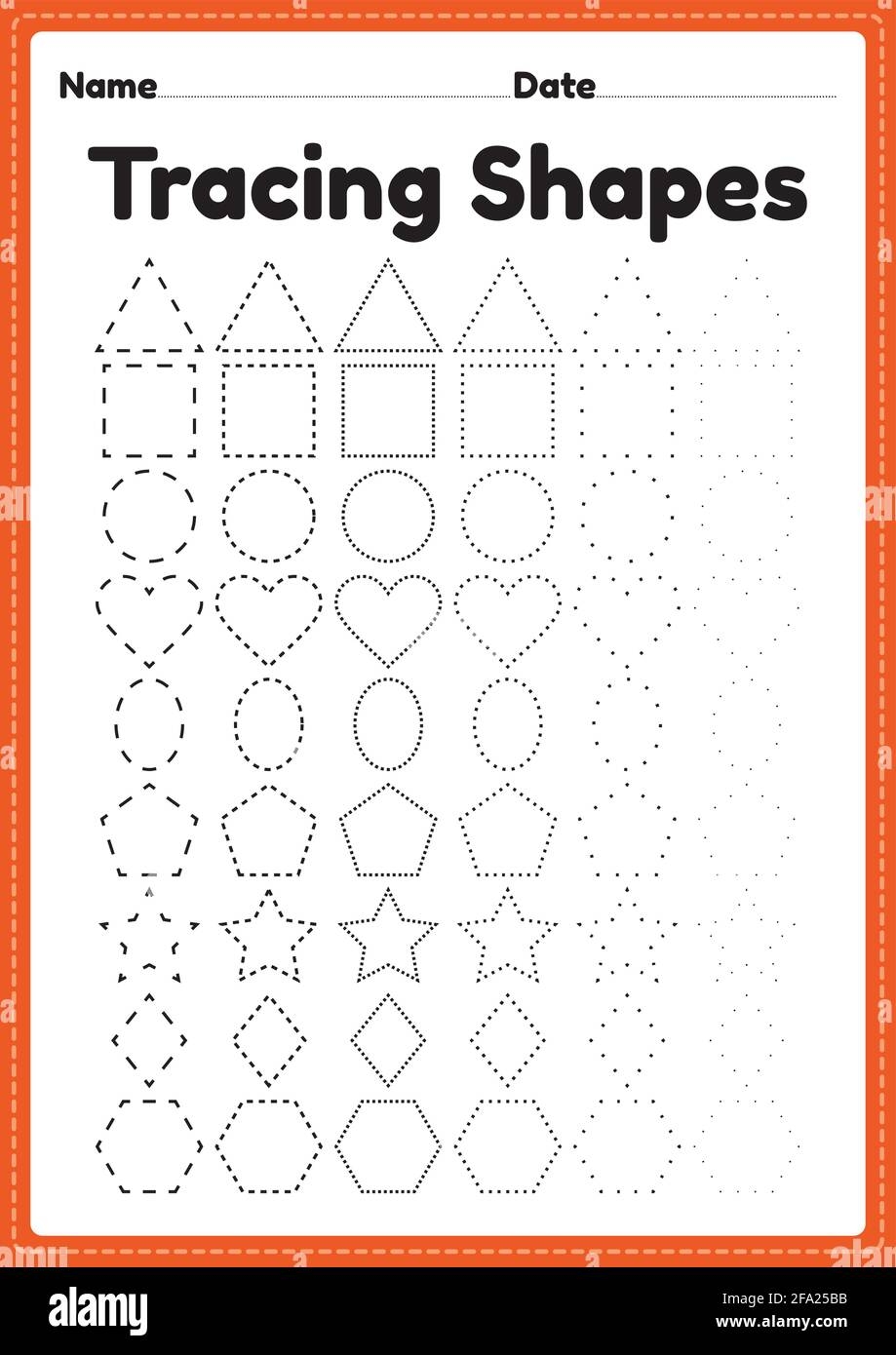
Shapes are a fundamental concept in early childhood education, and using Free Printable Shapes Worksheets for Kindergarten is an excellent way to teach these important skills. These worksheets typically come in standard sizes such as 8.5″ x 11″, making them easy to print at home or in a classroom setting. They are designed to captivate young learners with colorful and engaging visuals that help solidify their understanding of various shapes.
Understanding the Importance of Shapes in Early Education
Teaching shapes is not just about memorizing names; it lays the groundwork for essential math skills. Recognizing shapes helps children develop spatial awareness, which is crucial for tasks such as reading maps, understanding graphs, and even navigating their environment. Moreover, shape recognition is often linked to literacy development, as children learn to identify shapes in letters and numbers.
By incorporating Free Printable Shapes Worksheets for Kindergarten into your lesson plans, you can create a structured approach that allows for repeated exposure to these concepts. This repetition is key; it helps solidify knowledge and makes learning stick.
Features of Effective Shapes Worksheets
When selecting or creating shapes worksheets, consider these important elements:
- Variety of Activities: Look for worksheets that include different types of activities, such as tracing, coloring, and matching. This variety keeps students engaged and caters to various learning styles.
- Clear Layout: The layout should be simple and intuitive. Worksheets with clear sections for each activity help children focus on one task at a time without feeling overwhelmed.
- Age-Appropriate Design: Ensure the visuals are age-appropriate, using bright colors and appealing graphics that are relatable to young children. This design aspect can enhance motivation and interest in the task.
Types of Activities Included in Shapes Worksheets
Free Printable Shapes Worksheets for Kindergarten can include a range of activities that promote hands-on learning. Here are some common types:
Tracing Shapes
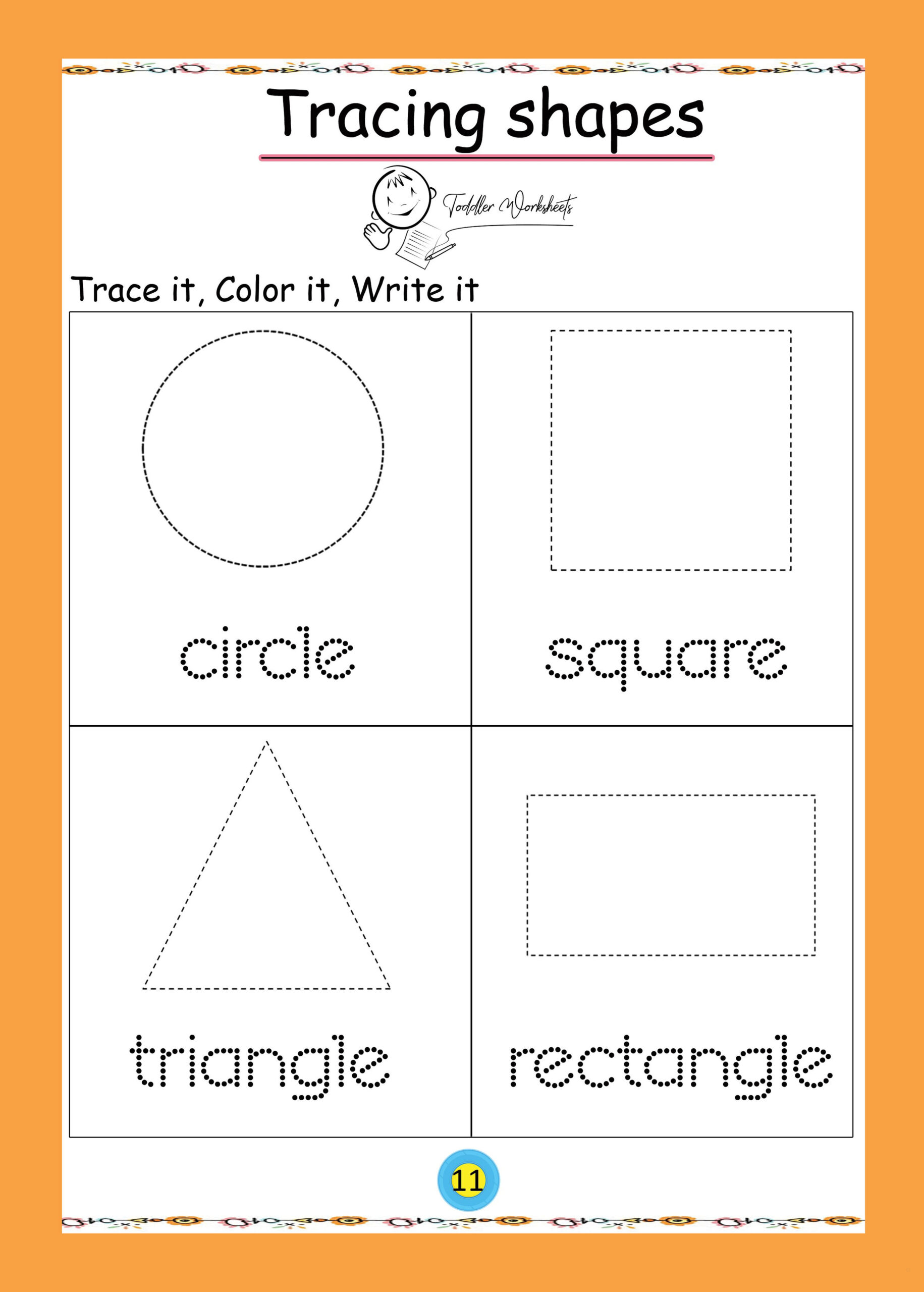
Tracing activities are a fantastic way for young learners to develop fine motor skills while learning their shapes. Worksheets often include outlines of shapes like circles, squares, triangles, and rectangles for children to trace. This practice not only aids in shape recognition but also helps children learn how to control their writing instruments.
Coloring Shapes
Coloring is not just fun; it reinforces learning. Worksheets that ask children to color specific shapes can help them recall the names and attributes of those shapes. For example, a worksheet might instruct students to color all the squares blue and all the circles red. This activity adds an element of creativity to the learning process.
Matching Games
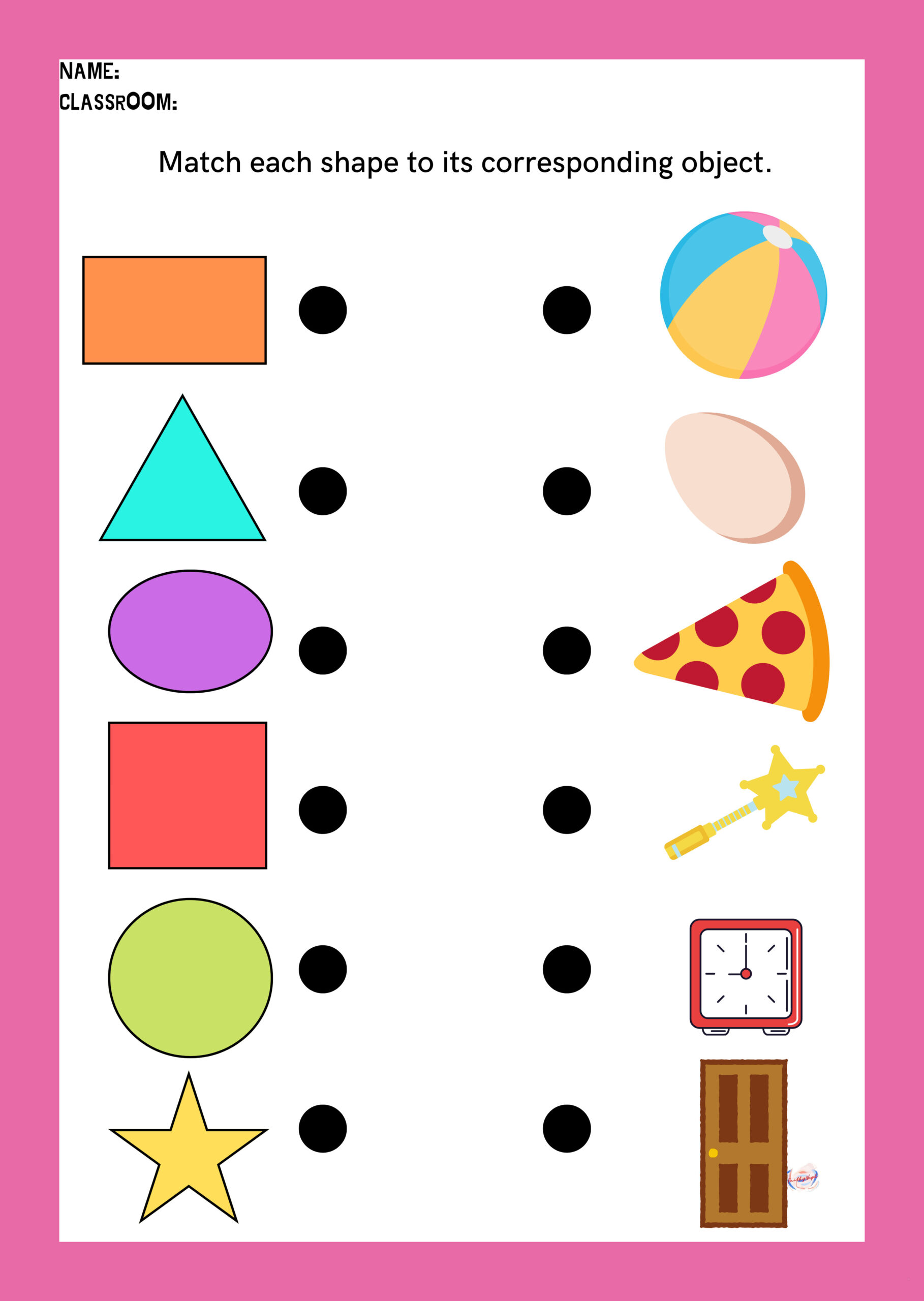
Matching activities challenge children to connect shapes with their corresponding names or images. These worksheets can include various layouts such as grids or simple lists. Matching games are effective for reinforcing vocabulary and can be conducted as a group activity or individually.
Shape Sorting
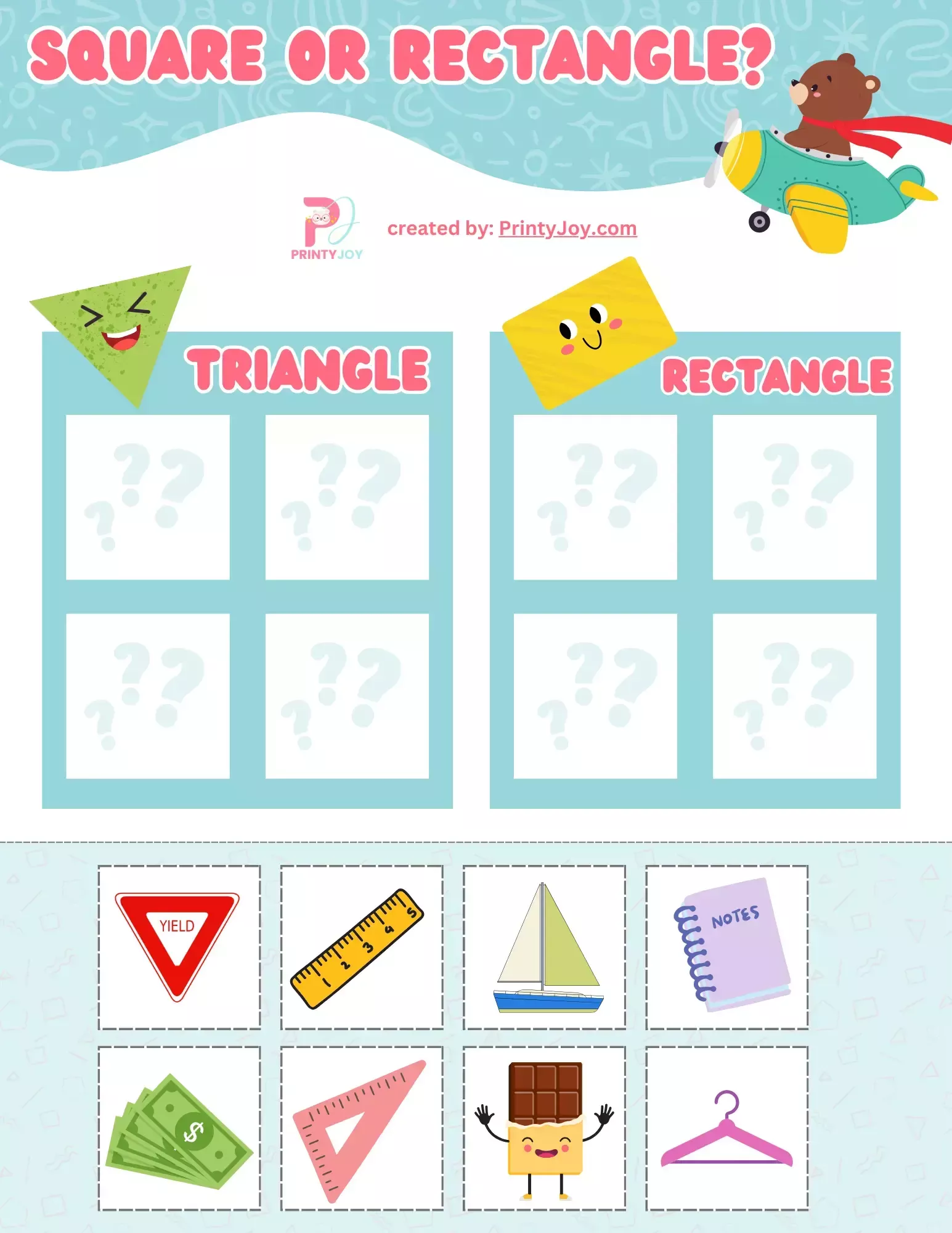
Shape sorting activities allow children to categorize shapes based on their properties. Worksheets might feature a collection of different shapes that children are asked to sort into groups. This exercise enhances critical thinking skills and helps children understand the differences and similarities among shapes.
Planning Your Weekly Lessons
To maximize the benefits of Free Printable Shapes Worksheets for Kindergarten, consider spreading the activities across a week rather than attempting to cover everything in one sitting. Here’s a sample weekly plan:
- Monday: Introduce the concept of shapes and distribute tracing worksheets.
- Tuesday: Focus on coloring activities, reinforcing the shapes learned on Monday.
- Wednesday: Engage students with matching games to reinforce vocabulary.
- Thursday: Introduce shape sorting activities to promote critical thinking.
- Friday: Review the week’s activities with a fun group game that incorporates all the shapes learned.
This structured approach allows for consistent practice while keeping lessons fresh and engaging. It’s essential to create a rhythm that children can follow, making learning predictable and enjoyable.
Tips for Using Shapes Worksheets in the Classroom
When implementing these worksheets in your classroom or home setting, consider the following tips:
- Use Quality Paper: Print your worksheets on sturdy paper (like cardstock) to withstand repeated handling, especially for activities involving writing or coloring.
- Laminating: If you plan to reuse the worksheets, consider laminating them. This allows for dry-erase markers to be used, making them more versatile.
- Encourage Discussion: As children work through the worksheets, engage them in discussions about the shapes they are learning. Ask questions like, “What shape is this?” and “How many sides does it have?” This verbal practice reinforces learning.
Additional Resources for Shape Learning
In addition to Free Printable Shapes Worksheets for Kindergarten, there are several other resources you can use to enhance shape learning:
- Interactive Games: Look for online games or apps that focus on shapes. They often provide immediate feedback and can be a fun supplement to worksheets.
- Shape Songs and Rhymes: Incorporate songs that teach shapes. Music can enhance memory retention and make learning more enjoyable.
- Hands-On Activities: Use everyday objects to teach shapes. For example, ask children to find items in the classroom or at home that match specific shapes.
By combining these resources with the worksheets, you create a comprehensive learning experience that caters to various learning styles.
Free Printable Shapes Worksheets for Kindergarten Gallery