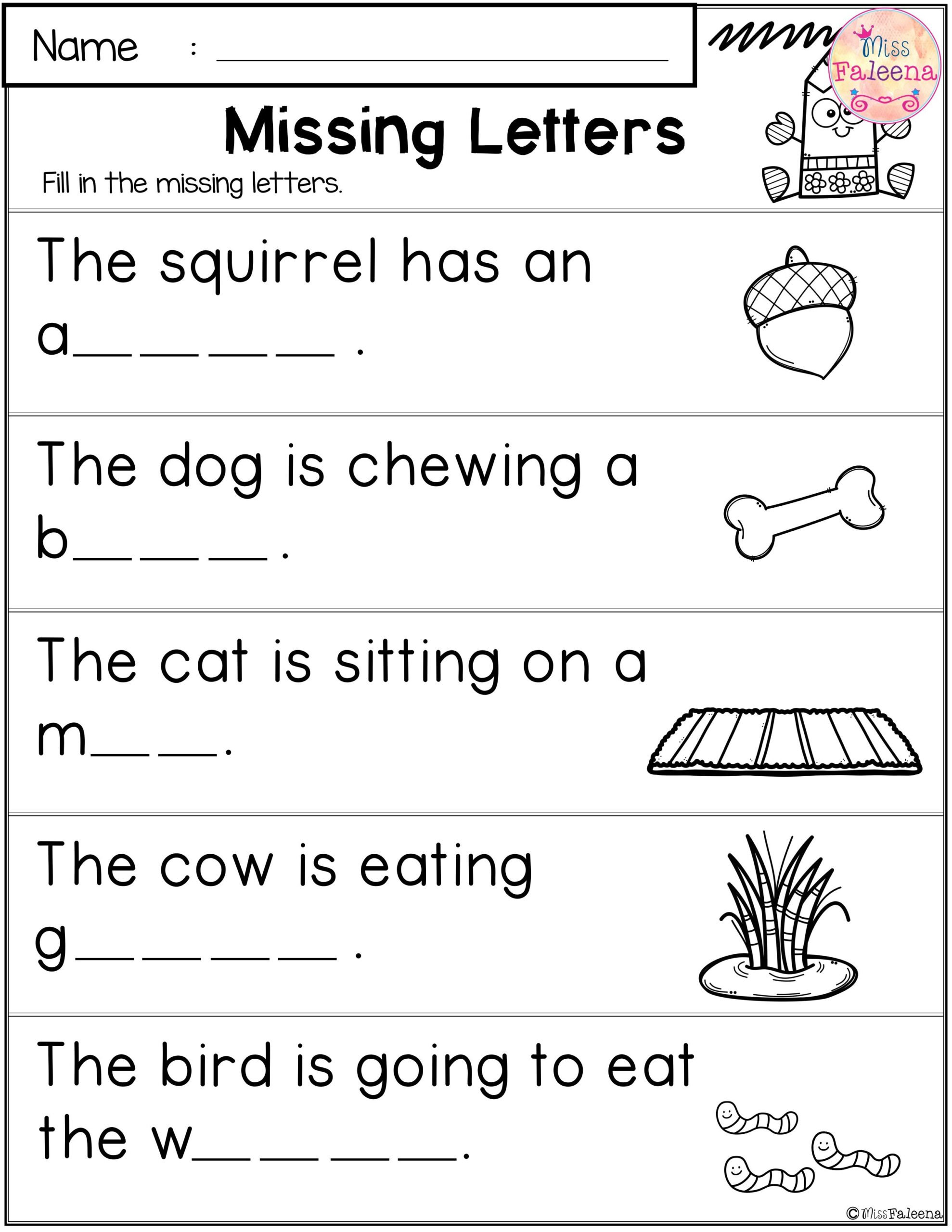
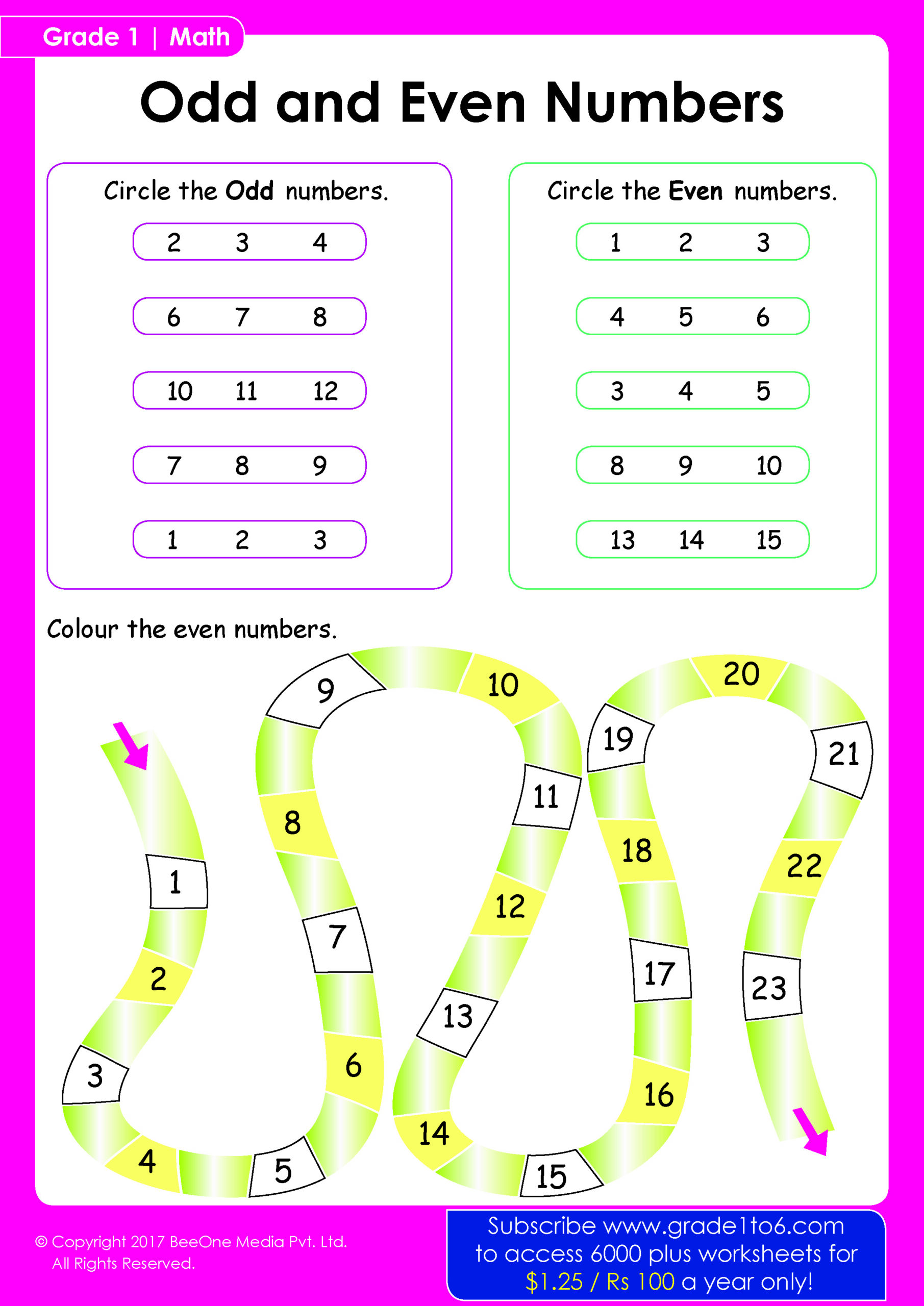
Teaching 1st grade math can be both rewarding and challenging. Young learners are just beginning to grasp fundamental concepts like addition, subtraction, and basic problem-solving. To support your teaching efforts, Free Printable Worksheets for 1st Grade Math can be invaluable. These resources not only engage students but also provide a structured approach to learning essential math skills. In this guide, we’ll explore how to effectively choose, download, print, and implement these worksheets in your classroom or homeschool setting.
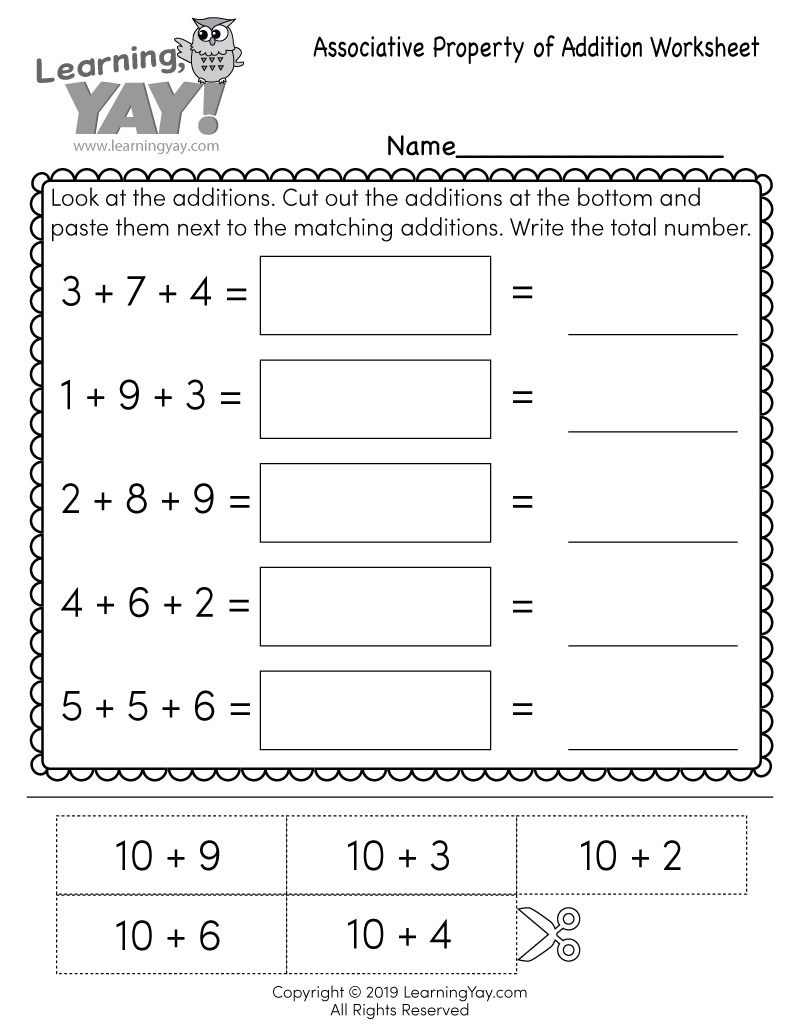
Understanding the Importance of Worksheets
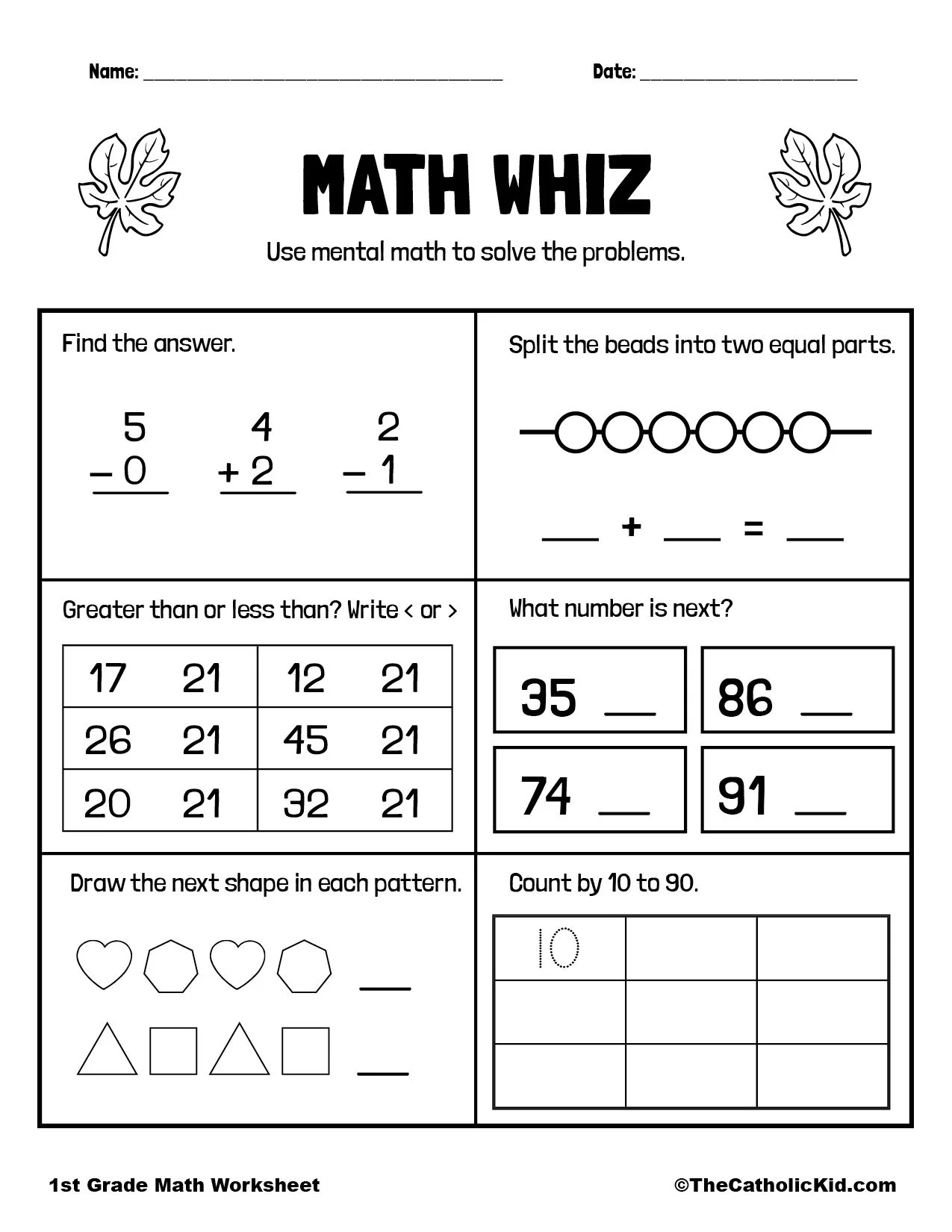
Worksheets serve as an effective tool for reinforcing lessons taught in class. They provide students with opportunities to practice and apply what they have learned. For 1st graders, engaging worksheets can help solidify their understanding of numbers, operations, and patterns.
When selecting worksheets, look for ones that are visually appealing and age-appropriate. Worksheets with bright colors and fun themes can motivate students to complete their tasks. Additionally, you want to ensure that the worksheets align with your curriculum standards and learning objectives.
Where to Find Free Printable Worksheets
There are numerous online resources where you can find Free Printable Worksheets for 1st Grade Math. Some popular websites include:
- Education.com
- Teachers Pay Teachers
- Super Teacher Worksheets
- K5 Learning
Each of these platforms offers a variety of worksheets that cover different math concepts, such as:
- Number recognition
- Simple addition and subtraction
- Word problems
- Counting and sequencing
Most of these websites allow you to filter by grade level and specific math skills, making it easier to find the right materials for your students.
Downloading and Printing Worksheets
Once you’ve identified the worksheets you want to use, the next step is to download and print them. Here’s how to ensure a smooth process:
- Choose the Right Format: Most worksheets will be available in PDF format. This format maintains the layout and ensures that the worksheets print correctly without distortion.
- Check Your Printer Settings: For best results, set your printer to print in portrait orientation. Use standard letter size (8.5” x 11”) for easy handling. If using color, check that your printer has enough ink to avoid faded prints.
- Print in Bulk: If you’re teaching a full class, consider printing multiple copies at once. This will save time and ensure all students have access to the same materials during lessons.
- Use Quality Paper: For worksheets that will be handled frequently, print on cardstock or heavier paper. This will make them more durable and withstand wear and tear.
Setting Up Worksheets in the Classroom
After printing your worksheets, it’s important to organize them effectively for classroom use. Here are some tips for setting up:
- Create a Binder: Organize your worksheets in a binder or folder by topic. This makes it easy to find what you need for specific lessons.
- Use Sheet Protectors: If you want to reuse worksheets, consider placing them in sheet protectors. Students can use dry-erase markers to complete the worksheets, making them reusable.
- Incorporate Worksheets into Daily Activities: Integrate worksheets into your daily math routines. For example, you might start each math session with a quick worksheet activity to warm up students’ minds.
Grading and Reviewing Worksheets
Grading worksheets may seem daunting, but it can be straightforward with a little organization. Here’s a step-by-step approach:
- Set Clear Expectations: Before handing out worksheets, explain to students what you expect. Provide examples of complete and incomplete answers.
- Use Answer Keys: Most printable worksheets come with an answer key. Use this to simplify the grading process. You can also create a simple rubric to assess student understanding more effectively.
- Provide Feedback: When returning graded worksheets, offer constructive feedback. Highlight areas where students excelled and point out concepts that may need more practice.
- Track Progress: Keep a record of students’ performance on worksheets. This will help you identify areas where they may need additional support or practice.
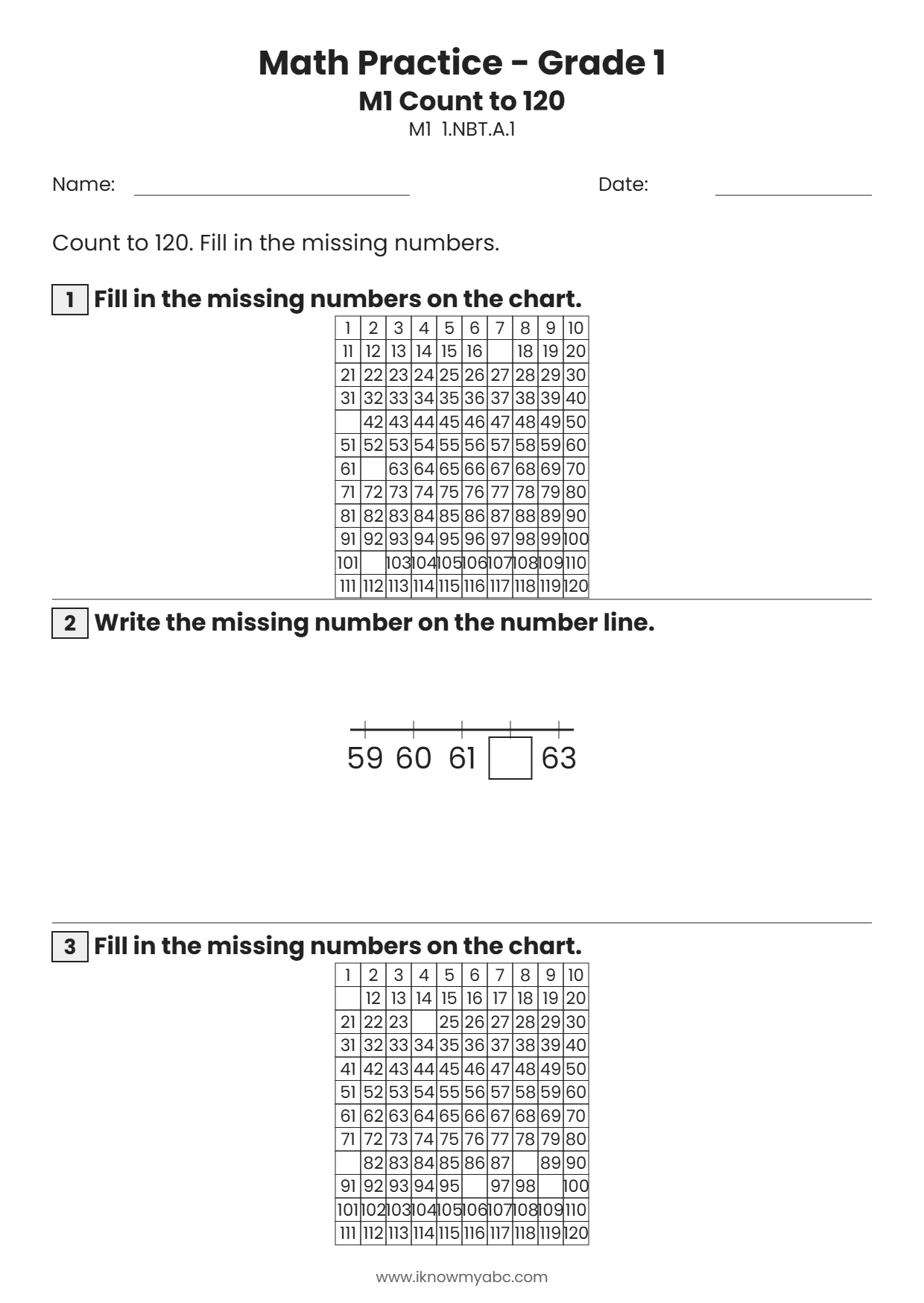
Engaging Activities Using Worksheets
Worksheets can be a springboard for hands-on activities that enhance learning. Here are some ideas:
- Group Work: Have students work in pairs or small groups to complete worksheets. This encourages collaboration and allows them to learn from one another.
- Math Centers: Create math centers in your classroom where students can rotate through different activities, including worksheet completion.
- Games: Turn worksheet exercises into games. For example, use a bingo format where students complete a worksheet and mark off answers on a bingo card.
- Real-World Applications: Incorporate real-world scenarios into your worksheets. For example, use examples involving money or time to make math relevant and exciting.
Free Printable Worksheets for 1st Grade Math Gallery