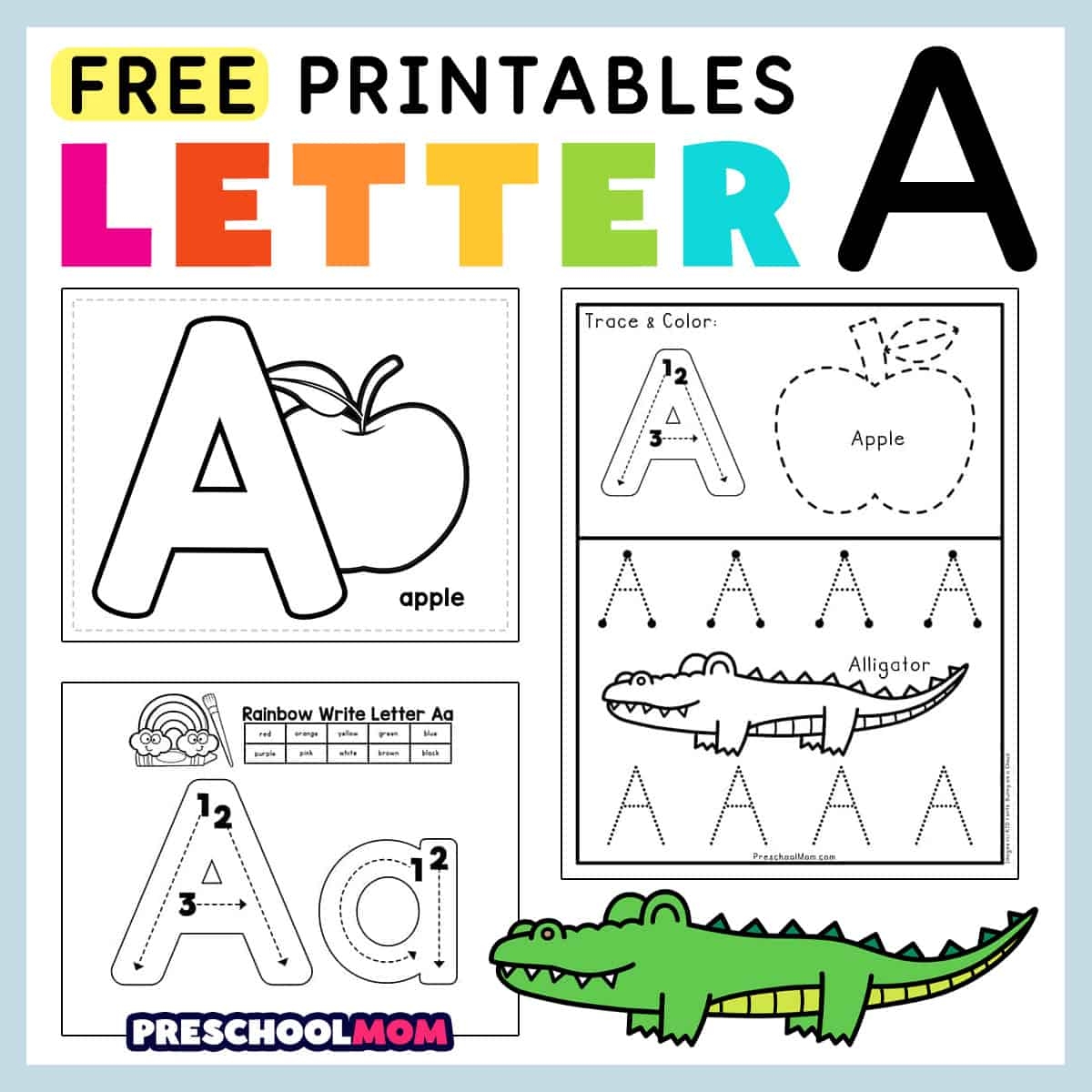
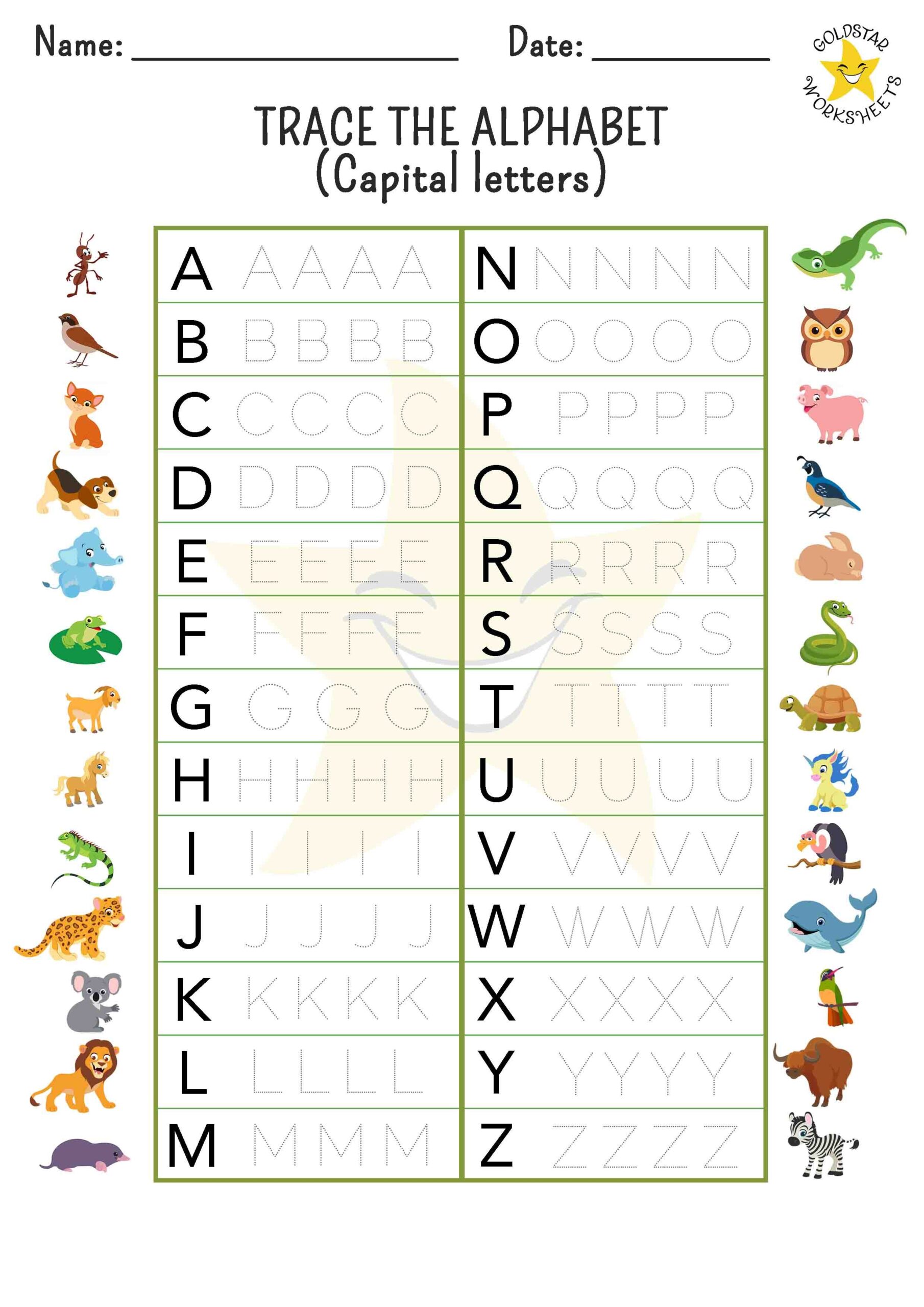
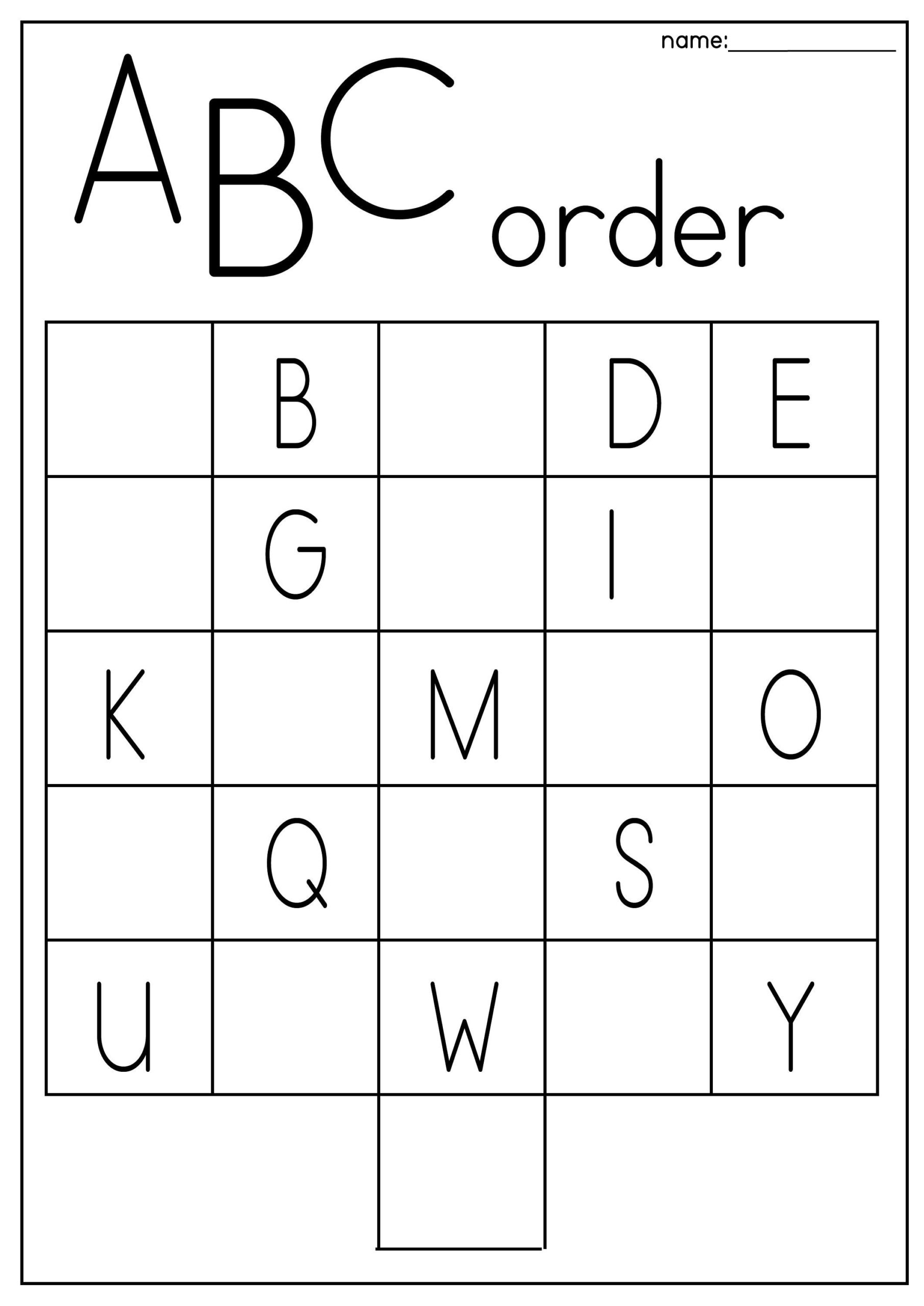
The journey of teaching the alphabet to preschoolers can be both exciting and challenging. With the right tools, educators and parents can make this learning experience enjoyable and effective. Preschool Free Printable Worksheets Alphabet provide an excellent resource for reinforcing letter recognition, phonetics, and writing skills. guide you through selecting, downloading, printing, and using these worksheets effectively in various learning environments.
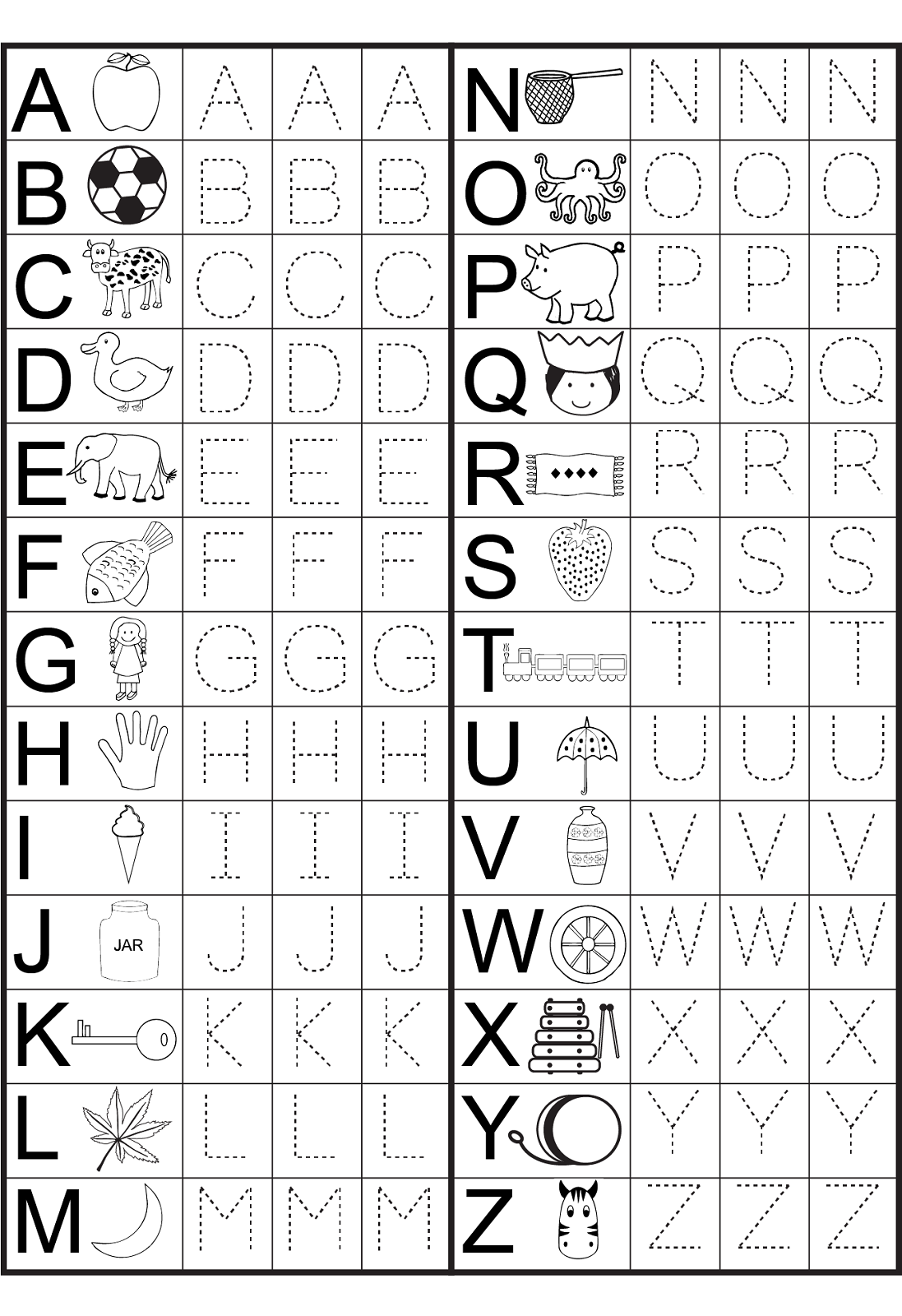
Understanding the Importance of Alphabet Worksheets
Alphabet worksheets serve multiple purposes in early childhood education. They help children to:
- Recognize letters visually
- Associate sounds with letters
- Improve fine motor skills through writing
- Develop vocabulary through word associations
By incorporating these worksheets into daily activities, teachers and parents can create a structured environment that promotes literacy skills essential for future academic success.
Choosing the Right Preschool Free Printable Worksheets Alphabet
Selecting the right worksheets is crucial for effective learning. Here are some considerations:
Age Appropriateness
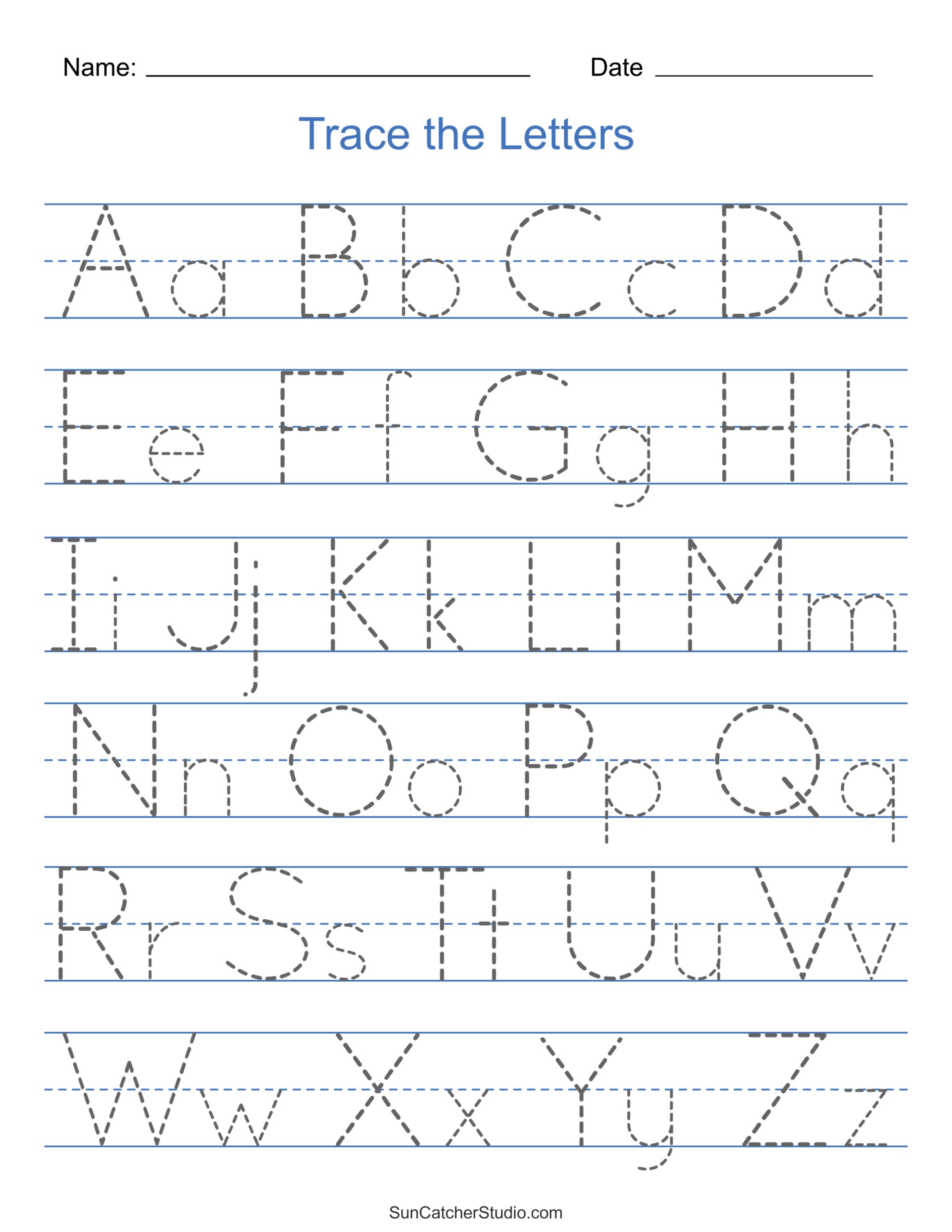
Ensure that the worksheets are designed for preschool-aged children, typically ages 3 to 5. Look for resources that incorporate playful designs and simple language that will engage young learners.
Skill Level
Identify the specific skills you wish to target. Some worksheets focus on letter recognition, while others may emphasize phonetic sounds or writing practice. Choose worksheets that align with your educational goals.
Variety of Activities
Opt for a mix of activities that can cater to different learning styles. Worksheets that include coloring, tracing, and matching games can keep children engaged and reinforce their learning through different modalities.
Downloading and Printing the Worksheets
Once you’ve identified the right worksheets for your needs, downloading and printing them is the next step. Here’s how to do it efficiently:
Downloading
Most printable resources are available in PDF format, which ensures consistent formatting across devices. When downloading:
- Ensure your device has a PDF reader installed.
- Check for any specific instructions provided by the website, such as registration requirements.
Printing Tips
When printing the worksheets, consider the following:
- Paper Size: Standard letter size (8.5 x 11 inches) works well for most worksheets. If the resource specifies a different size, adjust your printer settings accordingly.
- Quality: Use high-quality paper to ensure durability, especially if the worksheets will be reused. Cardstock is a great option for frequent handling.
- Settings: Set your printer to portrait orientation for most worksheets. This layout typically fits well on standard-sized paper.
Setting Up the Worksheets for Use
Preparing the worksheets for classroom or home use can enhance the learning experience. Here are some practical tips:
Organizing the Worksheets
- Binders: Use a binder with dividers to organize worksheets by letter or activity type. This makes it easy to access the materials as needed.
- Folders: If using fewer worksheets, a simple folder can suffice to keep them together.
Materials for Enhancement
Consider adding supplementary materials to the worksheets:
- Coloring Supplies: Crayons or markers can make coloring worksheets more engaging.
- Stickers: Use stickers as rewards for completed tasks on the worksheets. This can motivate children to work through them.
Engaging With the Worksheets
Once the worksheets are ready for use, engaging children in the activities is key. Here are some strategies:
Active Participation
Encourage children to participate actively:
- Verbal Interaction: Ask them to say the letters and sounds as they work through the worksheets. This reinforces their auditory skills.
- Group Activities: If in a classroom, consider group work where children can discuss the letters and words together, fostering collaboration.
Monitoring Progress
Keep track of each child’s progress to identify areas of strength and those needing more practice:
- Check Completed Worksheets: Review their work for accuracy. Look for correct letter formations and sound associations.
- Provide Feedback: Give constructive feedback and encouragement. Highlight areas where they excelled and offer tips for improvement.
Mastery Indicators for Alphabet Worksheets
Understanding what mastery looks like on these worksheets can help gauge a child’s learning:
- Letter Recognition: Children should be able to identify both uppercase and lowercase letters consistently.
- Sound Association: They should correctly associate sounds with their corresponding letters during activities.
- Writing Skills: Look for neat and accurate letter formations. Progress may be indicated by a child’s ability to write letters independently or with minimal guidance.
If a child struggles with these indicators, consider revisiting specific activities or introducing supplementary resources to reinforce learning.
Additional Resources for Alphabet Learning
Beyond worksheets, consider integrating other resources to enhance alphabet learning:
- Online Games: Interactive games can provide engaging learning experiences that complement worksheet activities.
- Books: Reading alphabet books can help reinforce letter recognition and phonetic sounds in a fun context.
- Songs and Rhymes: Incorporate catchy songs that focus on the alphabet to aid memorization through music.
Immediate Actionable Tip
To kickstart the use of Preschool Free Printable Worksheets Alphabet, download a selection of worksheets today and organize them in a binder. This simple step will prepare you for effective, engaging lessons that foster early literacy skills in preschoolers.
Preschool Free Printable Worksheets Alphabet Gallery